
Postpartum psychosis: mothers sought help about seven times before diagnosis, study finds
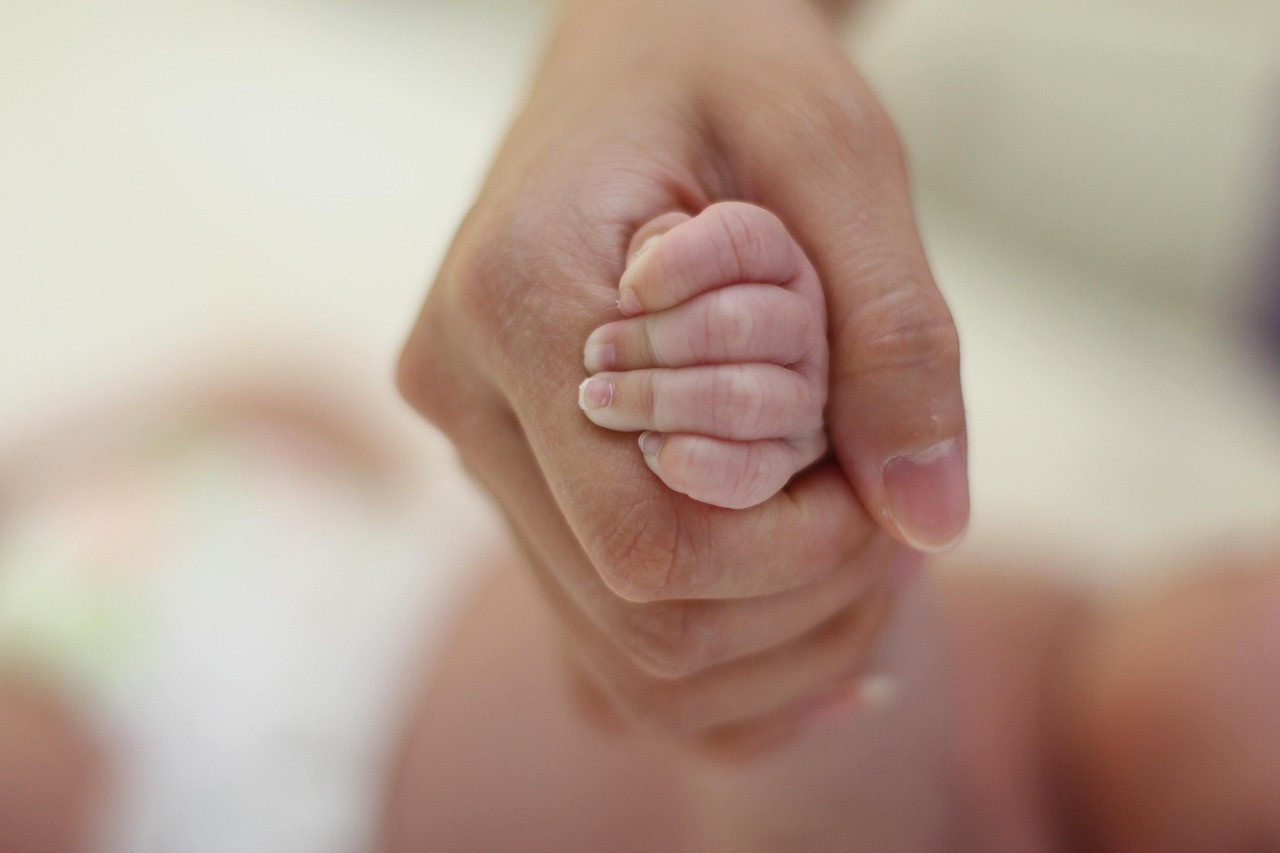
Representative image: tung256 / Pixabay
A Flinders University study released on October 21, 2026 found women with postpartum psychosis contacted health services a median of seven times before correct care.
What Happened
Women who developed postpartum psychosis, a rare and serious mental illness that can begin soon after childbirth, typically had to contact health services about seven times before they were correctly diagnosed and treated, according to a study released by Flinders University in Australia on Wednesday, October 21, 2026. The researchers interviewed 15 Australian women who had been diagnosed with the condition and found that many felt their warning signs were dismissed or put down to tiredness or the "baby blues". The university described it as the first Australian study of how women with postpartum psychosis look for help.
Key Facts
- The study was led by Donna McMahon, a PhD candidate at Flinders University, and was released on October 21, 2026.
- Researchers interviewed 15 women in Australia who had been diagnosed with postpartum psychosis.
- The women contacted health services a median of seven times before getting the care they needed; the median is the middle value, so half needed more contacts and half fewer.
- According to the university, more than half of the women had no earlier history of mental health conditions.
- Many said their concerns were dismissed, misunderstood or treated as ordinary post-birth experiences such as exhaustion or the "baby blues".
- Participants described fragmented care and health professionals who were unfamiliar with the condition, underestimated symptoms or did not ask probing follow-up questions.
- The paper is titled "It's all in your head: A qualitative examination of the help-seeking experiences of women suffering postpartum psychosis", and its authors include Associate Professor Ryan Balzan.
- The sample is small and was recruited through social media support groups, so the findings cannot be used to draw global conclusions.
Why It Matters
The NHS in England describes postpartum psychosis as a serious mental illness that affects roughly one in every 1,000 mothers after giving birth, and says it should be treated as a medical emergency. It usually begins within the first two weeks after delivery, often within hours or days, though it can start several weeks later. Symptoms listed by the NHS include hallucinations, delusions, mania or very low mood, and confusion, and they can change quickly.
The women in the Flinders study said their warning signs were often mistaken for ordinary post-birth tiredness, and that many professionals they met were unfamiliar with the illness. They were not hiding their symptoms. "They were not avoiding care. They were actively seeking it," McMahon said. Some participants told the researchers that after being dismissed, they became less willing to ask for help again, which can delay treatment for an illness in which speed matters.
The study is qualitative, which means it is built on detailed interviews about people's experiences rather than on large numbers. It shows what a group of women went through and what patterns appear in their accounts, but it does not measure how often the same delays happen across Australia or in other countries. Its sample of 15 women, found through online support groups, may not represent all mothers with the condition.
For women balancing a new baby, work and family, the findings carry a practical message about being heard. The researchers called for greater awareness of postpartum psychosis among health professionals, timely and thorough assessment, and care that recognises and validates what women say about their own experience. The study did not include India or any country other than Australia.
| Measure | Finding |
|---|---|
| Women interviewed | 15, all diagnosed with postpartum psychosis |
| Typical contacts before correct care | Median of seven |
| No earlier mental health history | More than half, the university said |
| How common the illness is | About 1 in 1,000 mothers, the NHS says |
| Main limitation | Small sample recruited through support groups |
Impact
Short-term: The findings add to pressure on maternity and mental health services to recognise the warning signs of postpartum psychosis early and to ask follow-up questions when a new mother says something is badly wrong, rather than treating it as routine tiredness.
Long-term: If health systems act on the recommendations, training for midwives, nurses and doctors could give more weight to postpartum psychosis, and care pathways between maternity and mental health teams could become less fragmented. Larger studies would be needed to show how widespread the delays are.
Who is affected: New mothers and pregnant women, their partners and families, midwives, nurses, general practitioners, and maternity and perinatal mental health services in Australia and elsewhere.
Key Takeaway
A Flinders University study of 15 Australian women found that those with postpartum psychosis typically sought help about seven times before receiving the right care, showing that they were asking for help but often not being heard.
Questions and Answers
What did the Flinders University study on postpartum psychosis find?
Released on October 21, 2026, the study interviewed 15 Australian women diagnosed with postpartum psychosis and found they contacted health services a median of seven times before getting the care they needed. Many felt their concerns were dismissed or blamed on exhaustion or the "baby blues".
What is postpartum psychosis?
Postpartum psychosis is a rare but serious mental illness that usually begins within two weeks of giving birth. The NHS lists symptoms such as hallucinations, delusions, mania or very low mood and confusion, and says it is a medical emergency.
Can the study's findings be applied to all mothers?
No. It is a qualitative study of 15 women recruited through social media support groups. It describes their experiences in depth but cannot show how often such delays happen across Australia or in other countries, including India.
What changes did the researchers call for?
They called for greater awareness of postpartum psychosis among health professionals, timely and thorough assessment when a new mother raises concerns, and responses that recognise and validate what women report about their own experience.
Disclaimer: Prepared by the Peepals newsroom from publicly available sources with AI assistance. Information is accurate to the best of our knowledge at the time of publication and may change. Images may be representative. Not professional advice. Report an error via our contact page.
Sourced and fact-checked by the Peepals Global Editorial Team
Allegheny County passes 12 weeks of paid parental leave for both parents
Topshop x Talia Byre: 17-piece capsule brings designer knits to high street
Reported, fact-checked and published by the Peepals Global Editorial Team.