

Christina Applegate says she was misdiagnosed with MS, 'back at square one'
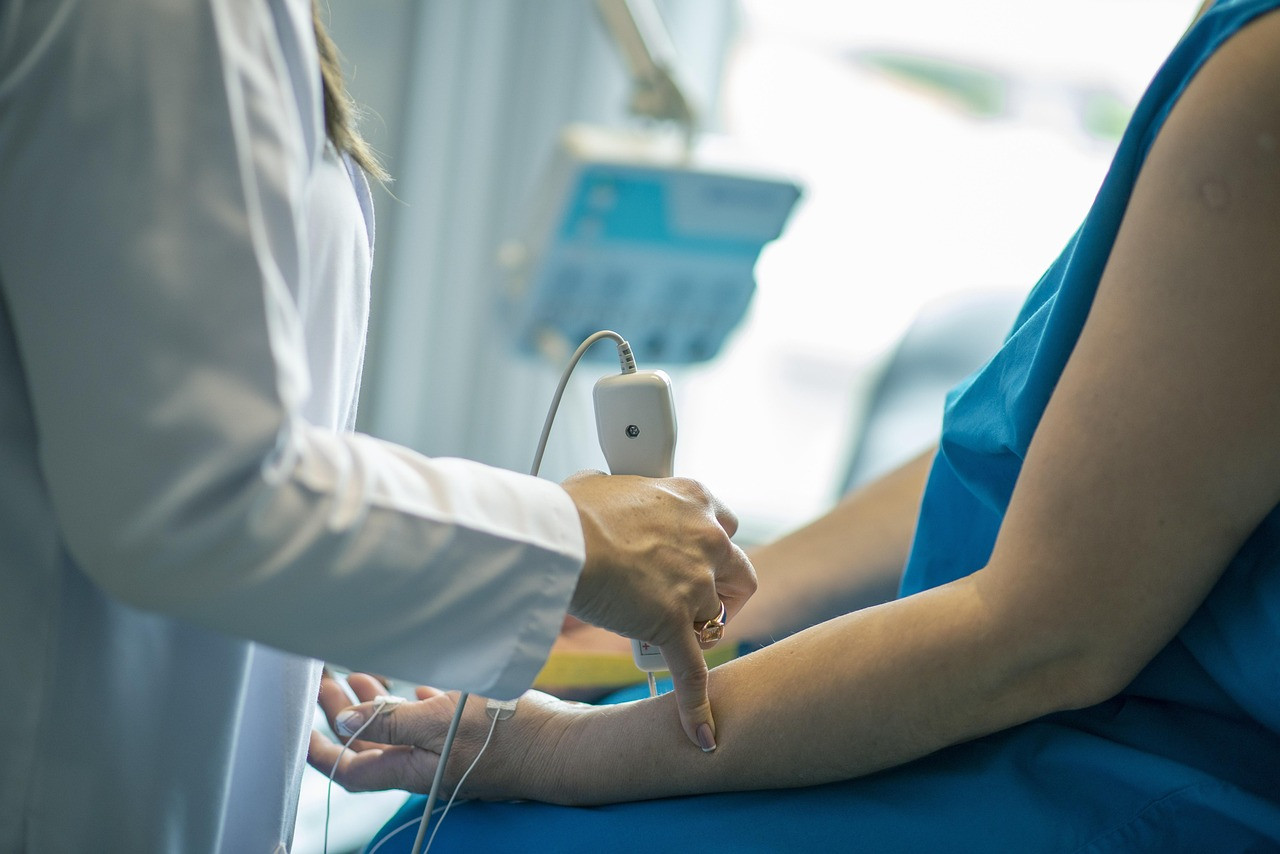
Representative image: fernandozhiminaicela / Pixabay
Christina Applegate said on October 20, 2026 that doctors now say she does not have MS, diagnosed in 2021, but her symptoms persist and the cause is unknown.
What Happened
Actor Christina Applegate has said she was misdiagnosed with multiple sclerosis (MS), the illness she announced publicly in 2021. Speaking in a two-part episode of her podcast MeSsy, which she hosts with actor Jamie-Lynn Sigler, she said doctors have now told her she does not have MS, but that her symptoms have not gone away. Her remarks were widely reported on October 20, 2026. "I haven't gotten better," she said, adding that she is "back at square one" and does not know what is causing her illness.
Key Facts
- Christina Applegate, 54, first said in 2021 that she had been diagnosed with multiple sclerosis.
- She has now said that she was misdiagnosed and does not have MS.
- She said the news has not brought relief: her symptoms remain and, in some ways, she feels worse.
- Her doctors plan to investigate what has caused her symptoms since 2021, according to her account.
- She made the disclosure on MeSsy, the podcast she co-hosts with actor Jamie-Lynn Sigler.
- A 2019 study of 241 patients referred to two specialist MS centres in Los Angeles found that nearly one in five, about 18 per cent, did not actually have MS.
- In that study, migraine was the most common correct diagnosis, and misdiagnosed patients had often been treated for MS for years.
Why It Matters
Many readers will recognise the feeling Applegate described. A diagnosis, even of a serious illness, gives a person a name for what is happening, a treatment plan and a community of others with the same condition. Losing that diagnosis while still feeling unwell can be harder than people expect. Applegate said plainly that she was not happy about the news, because it did not make her better; it only took away the explanation she had lived with for five years.
Multiple sclerosis is a disease of the brain and spinal cord in which the body's immune system damages the protective coating around nerves. It can cause problems with walking, balance, vision, fatigue and memory. There is no single test that confirms it. Doctors put the picture together from symptoms, brain scans, spinal fluid tests and how the illness changes over time. That is why mistakes happen. In the 2019 study from two academic MS centres in Los Angeles, nearly 18 per cent of 241 referred patients who had been told they had MS turned out to have something else, most often migraine. Other researchers have stressed that the true rate of MS misdiagnosis across all patients is still not known, because studies like this look only at people referred to specialist centres.
For women balancing careers, families and their own health, the story carries a practical lesson that does not depend on celebrity. Long, uncertain illnesses take a toll on mental health as well as the body, and Applegate has spoken before about the depression that followed her original diagnosis. Asking for a second opinion, keeping a record of symptoms, tests and medicines, and taking someone along to appointments are simple steps that help patients and doctors when a diagnosis is unclear. None of this replaces medical advice from a qualified doctor.
| Detail | What is known |
|---|---|
| Original diagnosis | Multiple sclerosis, made public in 2021 |
| New position | Doctors say she does not have MS |
| Her health now | Symptoms continue; cause not yet known |
| Study on misdiagnosis | About 18% of 241 referred patients at two Los Angeles centres did not have MS (2019) |
Impact
Short-term: Applegate faces a new round of tests to find out what is causing her symptoms. Her openness is likely to prompt questions from other people living with an MS label about how their own diagnosis was made.
Long-term: Public cases like this keep attention on how hard some neurological illnesses are to diagnose, and on the value of review by specialist centres. For patients, the lasting message is that a diagnosis can be revisited, and that the emotional strain of not knowing deserves care too.
Who is affected: Applegate and her family; people living with an MS diagnosis or with unexplained neurological symptoms, many of them women in their working years; their carers; and doctors who diagnose and treat MS.
Key Takeaway
Christina Applegate says she was misdiagnosed with MS but is no better, a reminder that a diagnosis can be wrong and that living without answers is its own burden.
Questions and Answers
What did Christina Applegate say about her MS diagnosis?
On her podcast MeSsy, she said doctors have told her she does not have multiple sclerosis, the illness she announced in 2021. She said her symptoms have not improved and that she is "back at square one" in finding out what is wrong.
How common is MS misdiagnosis?
A 2019 study at two specialist MS centres in Los Angeles found that nearly 18 per cent of 241 referred patients who had been diagnosed with MS did not have it. Researchers caution that the overall rate is not known, as such studies look only at patients sent to specialist centres.
Why is multiple sclerosis hard to diagnose?
There is no single test for MS. Doctors rely on symptoms, MRI scans, spinal fluid tests and the course of the illness over time, and several other conditions, such as migraine, can look similar.
What can patients do if they doubt a diagnosis?
They can ask for a second opinion from a specialist, keep a written record of symptoms, test results and medicines, and take a family member or friend to appointments. Any change in treatment should be decided with a qualified doctor.
Disclaimer: Prepared by the Peepals newsroom from publicly available sources with AI assistance. Information is accurate to the best of our knowledge at the time of publication and may change. Images may be representative. Not professional advice. Report an error via our contact page.
Sourced and fact-checked by the Peepals Global Editorial Team
Women-led Ladakh labels bring Pashmina to Lakmé Fashion Week runway
Mary Duggan's Lion Green Road council homes win 2026 Stirling Prize
Reported, fact-checked and published by the Peepals Global Editorial Team.