
Nav-Trinjan: Faridkot women weave desi cotton khadi, win PM's praise
 By Simran KaurFashion Writer, Peepals Shakti
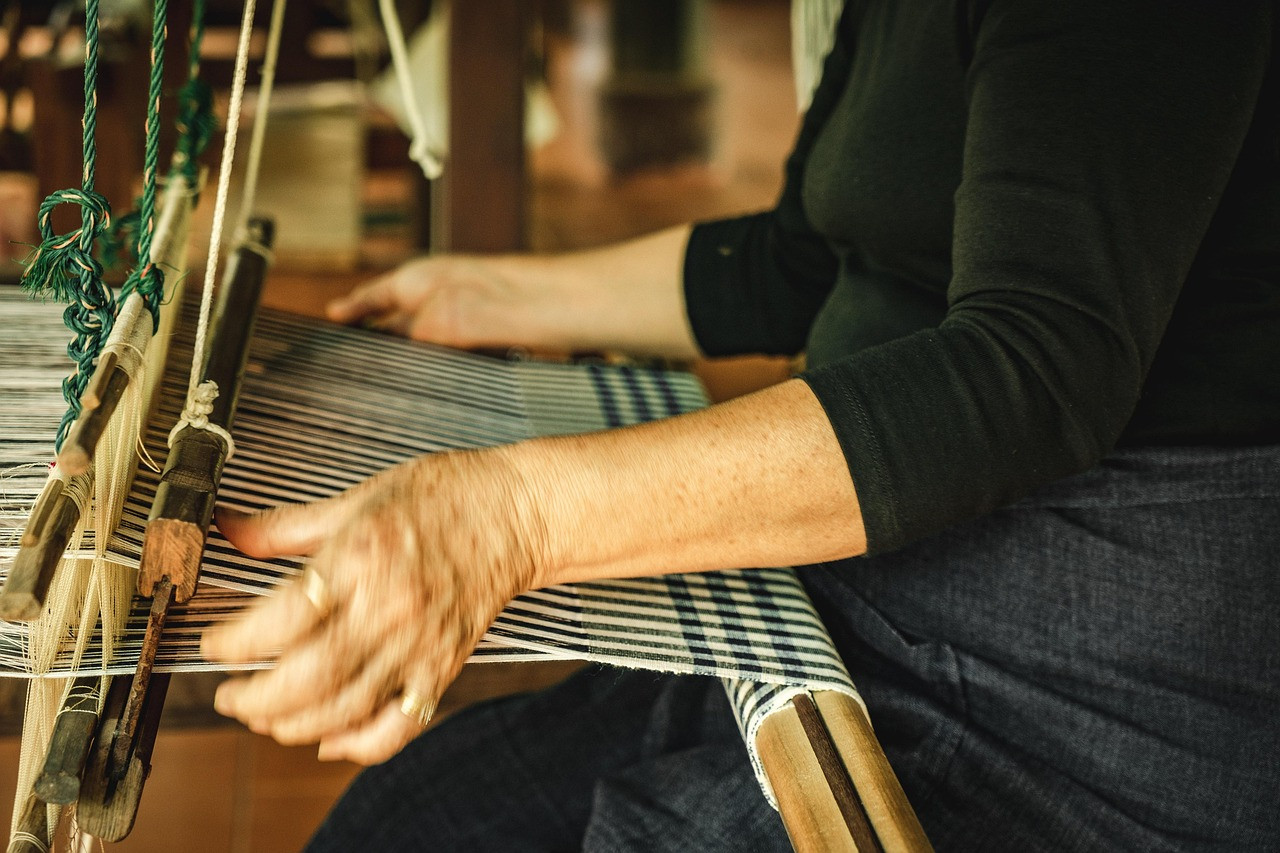
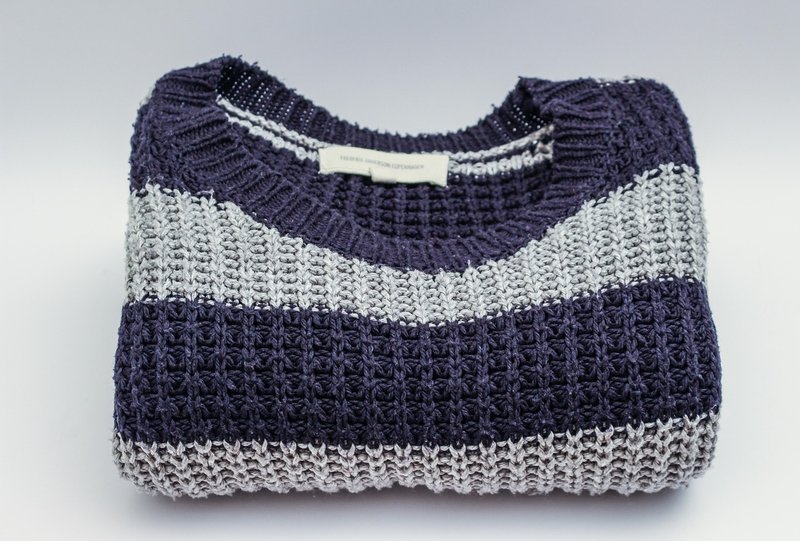
Representative image: aiworldexplore / Pixabay
On October 25, 2026, the PM praised Nav-Trinjan, a Faridkot project where rural women turn naturally farmed desi cotton into handwoven khadi.
What Happened
Prime Minister Narendra Modi opened the 139th episode of his monthly radio programme Mann Ki Baat on Sunday, October 25, 2026, by praising Nav-Trinjan, a handloom project in Punjab's Faridkot district where rural women spin and weave cloth from cotton grown by natural farmers. The project is run by the Kheti Virasat Mission, a non-profit group based in Jaito (also spelt Jaitu). He spent close to three minutes on it and named four women weavers, Ramandeep Kaur, Rajni Kaur, Rekha Rani and Sneha Devi, saying traditional weaving had given them work of their own.
Key Facts
- Broadcast: the 139th Mann Ki Baat, aired on Sunday, October 25, 2026, began with the Nav-Trinjan project.
- Who runs it: the Kheti Virasat Mission (KVM), a civil society group founded in 2005 with its head office in Jaito, Faridkot.
- The cotton: it comes from natural farmers certified under India's Participatory Guarantee System (PGS-India) who grow indigenous, non-Bt desi cotton.
- The process: the cotton is spun by hand on charkhas and woven on handlooms by rural women.
- Training: the Nav-Trinjan Bunkar Pathshala, a weaving school, has trained about 30 rural women in two years, according to KVM executive director Umendra Dutt.
- Women named by the PM: Ramandeep Kaur, Rajni Kaur, Rekha Rani and Sneha Devi; Ramandeep Kaur earlier worked as a labourer and is now a recognised skilled weaver.
- Earlier meeting: on National Handloom Day in August, a 20-member KVM group met the Prime Minister, 10 natural farmers and farmer-trainers and 10 weavers, most of them rural women from the project.
Why It Matters
Nav-Trinjan is a small project, but it puts women at every step of a chain that runs from the seed to the finished cloth, rather than only at the loom. Umendra Dutt has described the idea in those terms: farmers in the network grow desi cotton without chemicals, the fibre is spun by hand, and women weave it into finished fabric. That model keeps more of the value of each metre of cloth in the village, and it gives women who had no paid work, or only casual labour, a skill they can keep.
The name itself is a link to the past. In rural Punjab, a trinjan was a gathering where women sat together to spin cotton, sing and share stories. Those gatherings faded as mill cloth replaced home spinning and lifestyles changed. The project borrows the name to suggest that the old social side of spinning and weaving can return as a source of income, not only as a memory.
The project's range shows where it fits in today's market for handmade and sustainable clothing. Reports on its exhibitions list handspun yarn, handwoven khadi, traditional khes (thick cotton sheets), shawls, towels, dupattas, stoles and naturally coloured cotton, which reduces the need for chemical dyes. KVM has also said the project holds the Craftmark label, which certifies that a product is handmade. In June, KVM held a nine-day Nav-Trinjan organic cotton and khadi exhibition and sale in Jaito.
The weaving school is where the skill is passed on. Two master artisans, Shinder Kaur and Gurmeet Kaur, who had little formal schooling but decades of experience at the loom, teach young people from weaving families. Some of the women trained there are now earning from their work, according to KVM.
| Part of the chain | What happens | Who does it |
|---|---|---|
| Farm | Indigenous non-Bt desi cotton grown without chemicals | PGS-certified natural farmers linked to KVM |
| Spinning | Cotton spun by hand on charkhas | Rural women |
| Weaving | Cloth, shawls, khes and stoles made on handlooms | Women trained at the Bunkar Pathshala |
| Sale | Exhibitions and sales of finished textiles | Kheti Virasat Mission |
Impact
Short-term: National attention on a radio programme with a wide audience is likely to bring the project new buyers, visitors and requests for training. The four women named on air also gain recognition for skills that are often invisible in the textile trade.
Long-term: If demand grows, the main limit is skill. With about 30 women trained in two years, the pace of the weaving school will decide how quickly the project can scale, and whether the farm-to-fabric chain can support more farmers growing desi cotton.
Who is affected: Rural women in Faridkot looking for skilled work, natural farmers who grow desi cotton, handloom buyers and designers looking for traceable fabric, and others trying to build similar women-led craft groups.
Key Takeaway
Nav-Trinjan shows how a small women-led handloom project in Faridkot can link natural cotton farming, traditional spinning and skilled weaving into one local chain, and the Prime Minister's mention has given it a national audience.
Questions and Answers
What is Nav-Trinjan?
Nav-Trinjan is a handloom project in Jaito, in Punjab's Faridkot district, run by the non-profit Kheti Virasat Mission. Rural women hand-spin and weave desi cotton grown by natural farmers into khadi, shawls, khes, dupattas and other textiles.
Why was it in the news on October 25, 2026?
Prime Minister Narendra Modi opened the 139th episode of Mann Ki Baat on Sunday, October 25, 2026, by praising the project and naming four of its women weavers: Ramandeep Kaur, Rajni Kaur, Rekha Rani and Sneha Devi.
What makes the cotton different?
It is indigenous desi cotton, not Bt cotton, grown by farmers certified under the PGS-India system. The project also uses naturally coloured cotton, which reduces the need for chemical dyes.
How many women has the project trained?
The project's weaving school, the Nav-Trinjan Bunkar Pathshala, has trained about 30 rural women over two years, according to Kheti Virasat Mission executive director Umendra Dutt. Some of them now earn a living as skilled weavers.
Disclaimer: Prepared by the Peepals newsroom from publicly available sources with AI assistance. Information is accurate to the best of our knowledge at the time of publication and may change. Images may be representative. Not professional advice. Report an error via our contact page.
By Simran Kaur, Fashion WriterCovers Fashion and more for Peepals Shakti. All stories by Simran Kaur
Forcing wife to accept husband's affair is cruelty: Jharkhand HC grants divorce
Higher oxytocin dose linked to 40% less bleeding after vaginal births
Get the day's stories in your inbox
Peepals Weekly: the week decoded, free. One email a week, unsubscribe in one click.
Simran Kaur is a pen name of the Peepals Global Editorial Team, which researches, fact-checks and publishes every story. The portrait is an illustration.