Lactation drug cabergoline linked to 70% lower breast cancer risk after childbirth
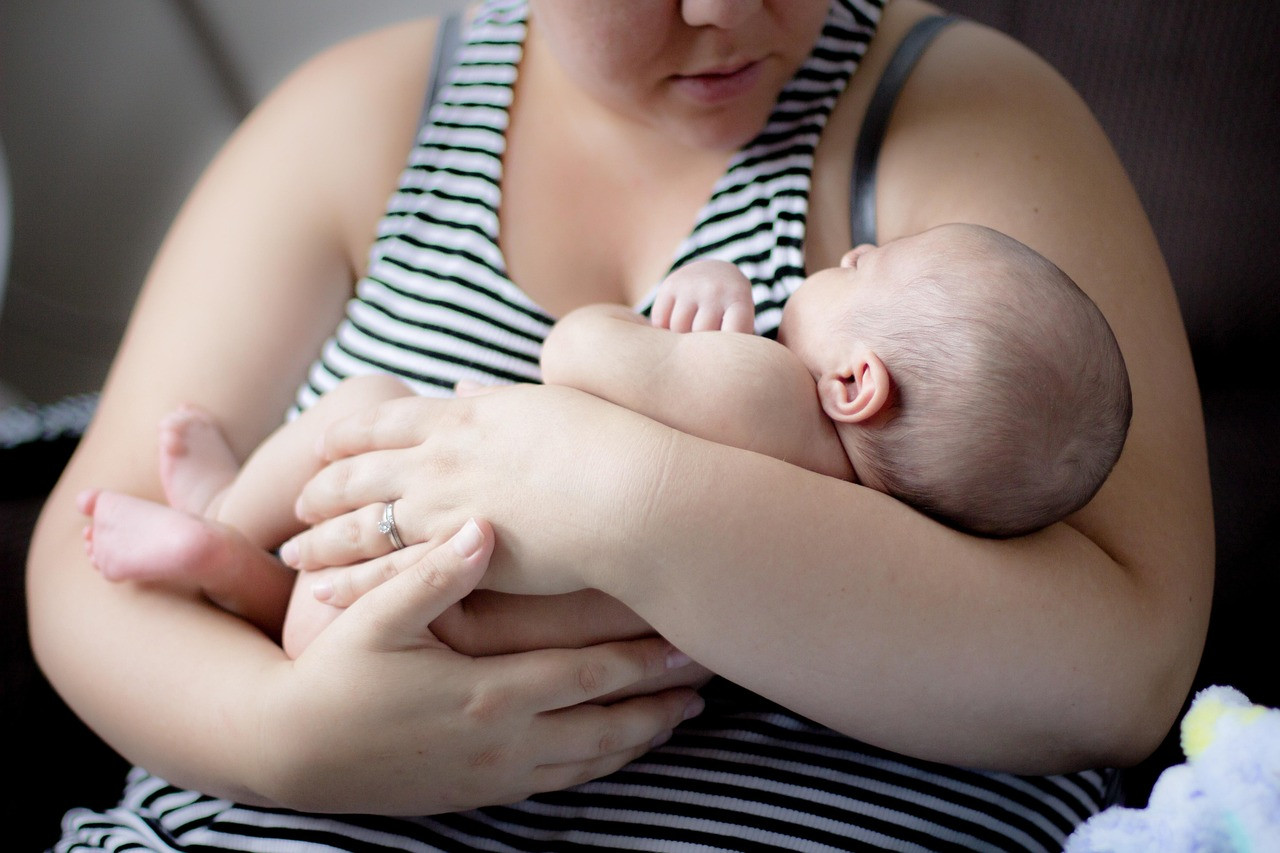
Representative image: Pexels / Pixabay
A Cancer Discovery study of 150,000+ women in Spain and Norway links cabergoline, used to stop milk production, to around 70% lower breast cancer risk after childbirth.
What Happened
A drug that doctors already use to stop breast milk production may lower the risk of breast cancer in the years after childbirth, according to a study published in October 2026 in the journal Cancer Discovery. Researchers analysed health records from Spain and Norway covering more than 150,000 women and found that those who had been given the drug, cabergoline, were around 70% less likely to develop breast cancer in the following years than women who had not. The researchers, whose work was announced by the University of British Columbia, stress that the human findings are observational, meaning they show a link rather than proof that the drug prevents cancer. A multinational clinical trial is planned to test the idea properly.
Key Facts
- Drug: cabergoline, already used after childbirth to suppress milk production.
- Study: published in Cancer Discovery in October 2026; lead author N. García-Sancha.
- Human data: health records from Spain and Norway on more than 150,000 women.
- Finding: women given cabergoline were around 70% less likely to develop breast cancer in later years.
- Animal data: a single dose in mice carrying BRCA1 and TP53 gene mutations, linked to aggressive breast cancers, roughly halved tumour rates.
- Proposed mechanism: the drug appears to speed up the natural clearing-out of extra breast tissue after breastfeeding ends.
- Next step: a clinical trial in women with BRCA1 mutations, who will receive cabergoline or a placebo after they finish breastfeeding.
- Safety caution: cabergoline can raise the risk of blood clots, a risk that is already higher just after childbirth.
Why It Matters
The research focuses on postpartum breast cancer, cancer that develops in the years after a woman gives birth, which the researchers treat as a distinct window of risk. Finding a way to make this period safer, especially for women already at high risk because of inherited gene mutations, has been a long-standing goal.
The new study points to the way the breast resets after breastfeeding. During pregnancy and nursing, the breast builds extra milk-producing tissue. When feeding stops, the body clears that tissue away, a process known as involution. The researchers suggest that cabergoline speeds up and improves this clean-up. In mice, the drug reduced tissue that looked potentially precancerous, shrank the duct area, slowed cell growth and boosted immune cells that clear damaged cells.
The finding is promising because cabergoline is an existing drug that doctors already use after childbirth. But the researchers and other experts urge caution. Women who were given the drug may differ in other ways from those who were not, which an observational study cannot fully rule out. The drug also carries risks, including blood clots. Any preventive use would come only after breastfeeding ends, so it would not ask women to give up nursing.
| Item | Detail |
|---|---|
| Women in records | More than 150,000 (Spain, Norway) |
| Lower breast cancer risk linked to drug | Around 70% |
| Effect in mice | Tumour rates roughly halved |
| Next step | Clinical trial in BRCA1 carriers |
Impact
Short-term: Nothing changes yet for new mothers. Cabergoline is not approved to prevent breast cancer, and women should not seek it for that purpose outside a trial. The planned trial will recruit women with BRCA1 mutations through high-risk clinics.
Long-term: If the trial confirms the effect and the drug proves safe in this setting, doctors could one day offer a short preventive course to high-risk women after they finish breastfeeding, a simple step at a time of raised risk.
Who is affected: New mothers, especially those who carry BRCA1 or similar mutations, doctors who care for women after childbirth, and cancer researchers working on prevention.
Key Takeaway
A study of more than 150,000 women links cabergoline, a drug used to stop milk production, to about 70% lower breast cancer risk after childbirth, but a clinical trial is needed before it can be used for prevention.
Questions and Answers
What is cabergoline?
Cabergoline is a medicine that lowers the hormone prolactin. After childbirth, doctors use it to stop breast milk production, for example when a mother cannot or chooses not to breastfeed.
Does cabergoline prevent breast cancer?
It has not been proven to. A study of more than 150,000 women in Spain and Norway found that those who took it were around 70% less likely to develop breast cancer later, but this is an observational link. A clinical trial is planned.
How might cabergoline lower breast cancer risk?
The researchers think it speeds up the way the breast clears away extra milk-producing tissue after breastfeeding ends. In mice, it reduced potentially precancerous tissue and boosted immune cells that remove damaged cells.
Should new mothers ask for cabergoline to lower their cancer risk?
No. It is not approved for this use and can raise the risk of blood clots, which is already higher after childbirth. Women with concerns, especially those with a family history or a BRCA mutation, should speak to their doctor.
Disclaimer: Prepared by the Peepals newsroom from publicly available sources with AI assistance. Information is accurate to the best of our knowledge at the time of publication and may change. Images may be representative. Not professional advice. Report an error via our contact page.
Sourced and fact-checked by the Peepals Global Editorial Team
Women's reservation: Centre weighs special session this month after April defeat
Tarun Tahiliani's Tasva closes Lakmé Fashion Week Day 2 with craft-led wedding menswear
Reported, fact-checked and published by the Peepals Global Editorial Team.