
Sunscreen with BEMT, first new US filter in 25 years, reaches store shelves
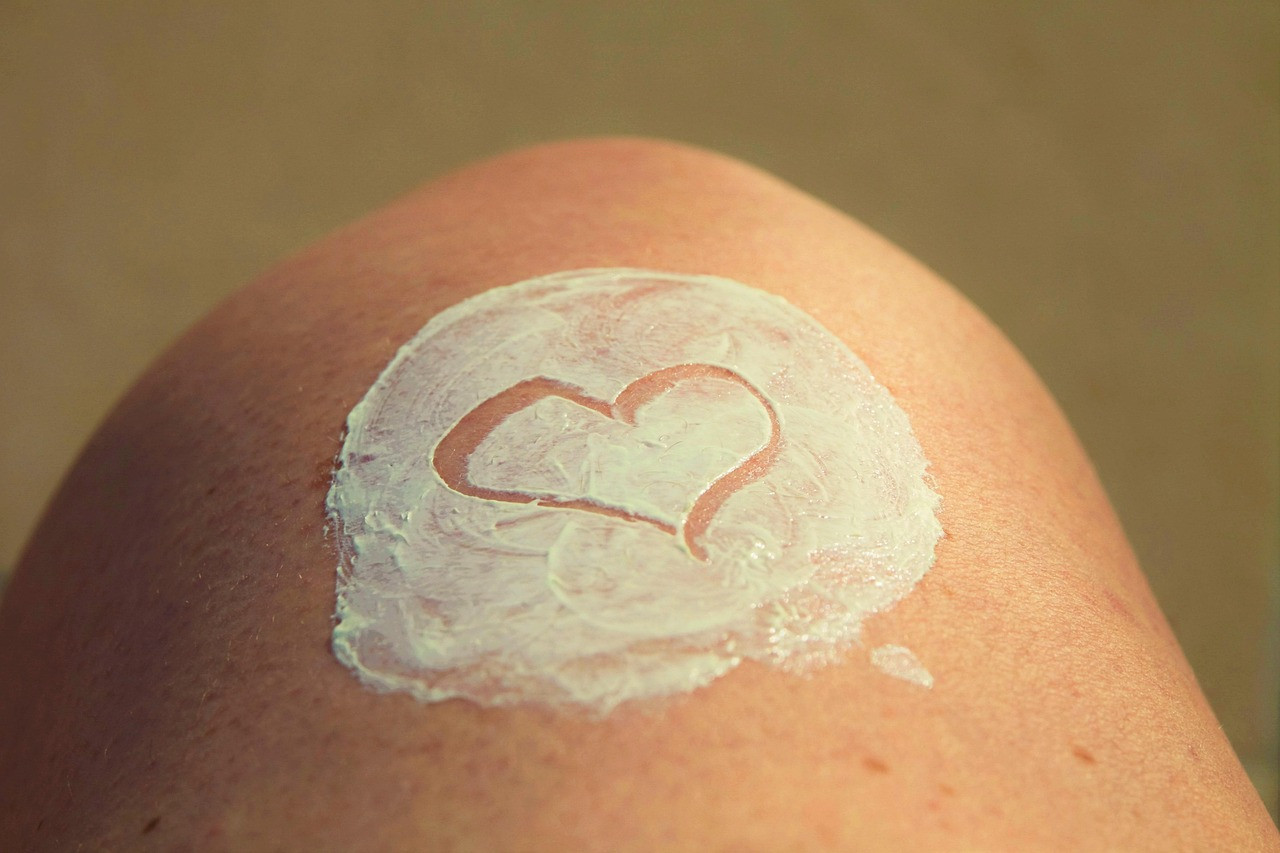
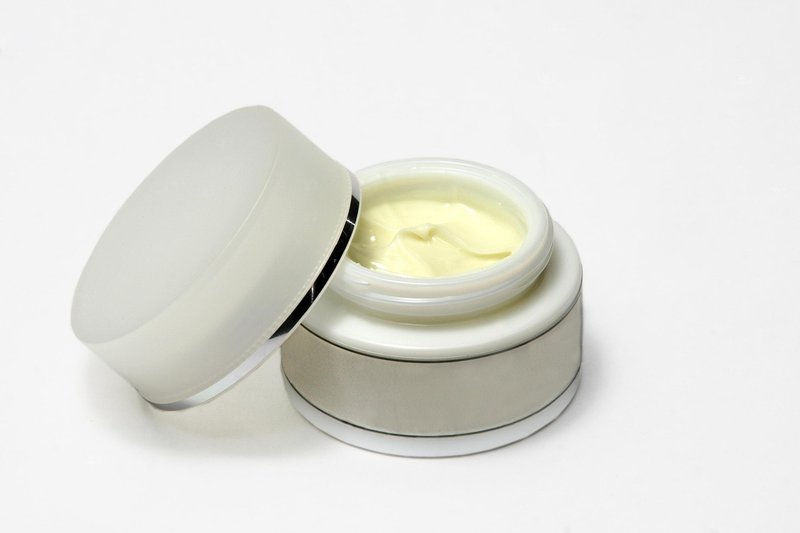
Representative image: chezbeate / Pixabay
Sunscreens made with bemotrizinol (BEMT), cleared by the US FDA on June 10, 2026, reached American stores in mid-October, the first new filter in 25 years.
What Happened
Sunscreen buyers in the United States can now pick up products made with bemotrizinol, also called BEMT, the first new sunscreen filter cleared in that country in more than 25 years. The first bottles, including a Neutrogena Ultra Sheer SPF 70 formula, reached American stores in mid-October 2026, with reports of the arrival published on Wednesday, October 14, 2026. The launch follows a final administrative order from the US Food and Drug Administration, dated June 10, 2026, that added bemotrizinol to the list of active ingredients allowed in over-the-counter sunscreens.
Key Facts
- Bemotrizinol (BEMT) is a chemical UV filter that absorbs both UVA and UVB rays. It is also sold to manufacturers under the names Tinosorb S and PARSOL Shield.
- The FDA added it to its over-the-counter sunscreen monograph, known as M020, through final order OTC000039, dated June 10, 2026.
- It is the first new sunscreen active ingredient added to the US monograph since the late 1990s.
- Products may contain up to 6 percent bemotrizinol, in oils, lotions, creams, gels and sprays.
- The request to add the ingredient was filed by DSM Nutritional Products LLC on September 23, 2024; a proposed order followed on December 12, 2025.
- Studies reviewed by the FDA covered more than 500 people and found very low absorption through the skin, with no irritation or allergic reactions reported.
Why It Matters
For years, sunscreen choices in the United States lagged behind other markets. Bemotrizinol has been used in Europe for decades, while American rules had not admitted a new active ingredient since the 1990s. Anyone who wanted the newer filters often bought imported tubes online. The June order changes that for the first time in a generation, and the first finished products are now on store shelves rather than only in regulatory paperwork.
The appeal of bemotrizinol is practical. Mineral sunscreens based on zinc oxide and titanium dioxide protect well but can leave white streaks on the skin, which puts many people off wearing them every day. Older chemical filters avoid the white streaks but some break down in sunlight; avobenzone, a common UVA filter, needs other ingredients to keep it stable. Bemotrizinol does not degrade quickly in the sun and covers a broad range of UV light, so a single filter does more of the work. The FDA placed it in the "generally recognised as safe and effective" category, the same group as zinc oxide and titanium dioxide.
The order is also a test of a newer route. The FDA's monograph system lets companies sell products that meet a set recipe without seeking an individual drug approval. Bemotrizinol is described in regulatory analyses as the first active ingredient added to any over-the-counter monograph through the streamlined administrative order process created under the CARES Act of 2020. Other sunscreen filters that are common abroad may now follow the same path.
| Point | Detail |
|---|---|
| Ingredient | Bemotrizinol (BEMT), also known as Tinosorb S |
| US approval | Final order dated June 10, 2026 |
| Maximum strength | 6 percent |
| Protection | UVA and UVB |
| First products in US stores | Mid-October 2026 |
Questions remain. Researchers say longer-term work is still needed on how the filter affects coral reefs, an issue that has dogged several older chemical sunscreens. And a new filter does not change the basics: sunscreen protects only when enough is applied and it is reapplied, especially after sweating or swimming.
For Indian readers, the change is a reminder to read labels rather than brand promises. Sunscreen is now a fixed step in many skincare routines in India, where strong sun is a year-round fact. Looking for a broad-spectrum label, a suitable SPF and a filter that suits one's skin matters more than whether a product is new.
Impact
Short-term: American shoppers get new sunscreen options that offer broad protection without the chalky finish of many mineral formulas, starting with a handful of brands. More products are likely as manufacturers reformulate.
Long-term: The order shows that the US route for adding sunscreen filters can work, which may bring more of the ingredients long used in Europe into American products. Global beauty brands may find it easier to sell one formula across markets.
Who is affected: Consumers in the United States, especially people who avoid mineral sunscreens because of white streaks; dermatologists; sunscreen and beauty brands; and ingredient makers such as DSM.
Key Takeaway
Bemotrizinol, a broad-spectrum sunscreen filter used abroad for decades, reached US store shelves in October 2026 after the FDA cleared it in June, the first such addition in more than 25 years.
Questions and Answers
What is BEMT sunscreen?
BEMT is short for bemotrizinol, a chemical sunscreen filter that absorbs both UVA and UVB rays. It is also known as Tinosorb S. Sunscreens containing it began appearing in US stores in mid-October 2026.
When did the FDA approve bemotrizinol?
The FDA added bemotrizinol to its over-the-counter sunscreen monograph through a final order dated June 10, 2026. It allows products to contain up to 6 percent of the ingredient.
Is bemotrizinol safe to use?
Studies reviewed by the FDA covered more than 500 people and found very little of the ingredient was absorbed through the skin, with no irritation or allergic reactions reported. The agency classed it as generally recognised as safe and effective. Its long-term effect on coral reefs still needs study.
Why is it called the first new sunscreen ingredient in 25 years?
No new active sunscreen ingredient had been added to the US over-the-counter monograph since the late 1990s, even though filters like bemotrizinol were already used in Europe.
Disclaimer: Prepared by the Peepals newsroom from publicly available sources with AI assistance. Information is accurate to the best of our knowledge at the time of publication and may change. Images may be representative. Not professional advice. Report an error via our contact page.
Sourced and fact-checked by the Peepals Global Editorial Team
Victoria's Secret Fashion Show 2026: performers, Kylie Jenner's Fantasy Bra
Indians value family time most in 15-nation survey, but children want more of it
Reported, fact-checked and published by the Peepals Global Editorial Team.