
Iran calls US reply on reopening Hormuz 'insufficient' but says some terms accepted
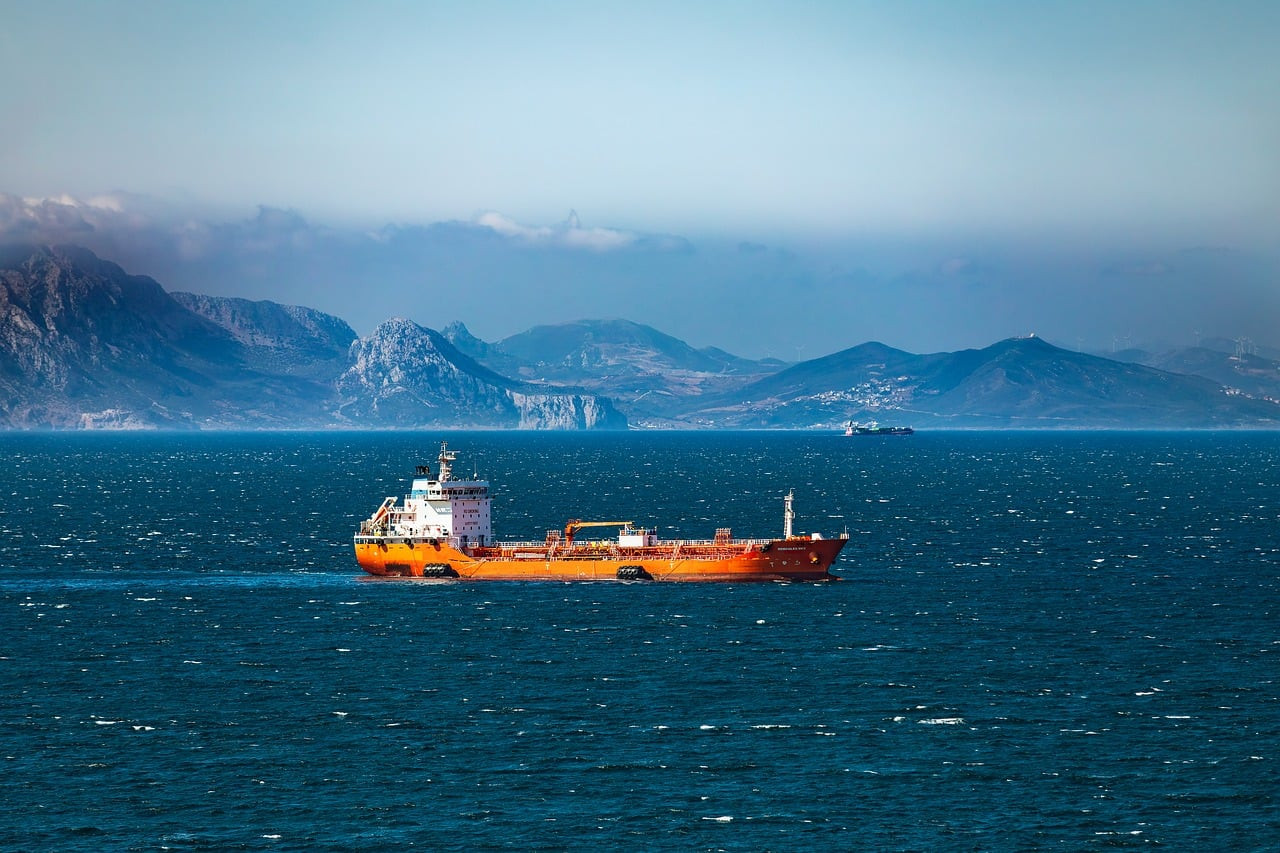
Representative image: Bergadder / Pixabay
Iran said on 11 October 2026 the US reply to its conditions for reopening the Strait of Hormuz was insufficient, though some terms were accepted.
What Happened
Iran said on Sunday, 11 October 2026 that the United States' reply to its conditions for reopening the Strait of Hormuz was "insufficient". Mohsen Rezaei, secretary of Iran's Supreme National Security Council, was quoted by Iranian state media as saying that Washington had accepted some of Iran's conditions while others remained unresolved, and that the US must clarify the points that are still ambiguous. The US reply had been passed through Qatari intermediaries. Iran set out its seven-point plan during the United Nations General Assembly in late September, offering to reopen the waterway and restore normal shipping within seven days if its demands were met. The White House did not immediately comment, and Washington has not publicly confirmed accepting any of the conditions.
Key Facts
- Iran's position: the US response is "insufficient"; some conditions accepted, others unresolved, according to Mohsen Rezaei.
- Channel: the US reply was delivered through Qatari intermediaries.
- Iran's plan: put forward at the UN General Assembly in late September; shipping could resume within seven days if conditions are met.
- Contents: Iran has not published a numbered list; reports say the demands include a ceasefire on all fronts, with Lebanon named explicitly.
- Main dispute, according to reports: the order in which steps should be taken.
- US stance: Washington has rejected Iran's idea that Iran and Oman jointly manage the waterway, saying ships should have free passage under international law.
- Rezaei said Iran was "no longer in the process of responding to the Americans".
Why It Matters
The Strait of Hormuz, between Iran and Oman, is the narrow sea lane through which a large share of the world's oil and liquefied natural gas exports pass from the Gulf. Its closure during the current conflict has pushed crude prices above $100 a barrel and disrupted shipping and insurance across the region. Any sign of a deal to reopen it moves oil markets; any sign of deadlock does the reverse.
Sunday's statement shows both movement and distance. Iran says the US has accepted part of its package, which suggests the two sides are closer than they were. But Tehran calls the reply insufficient and says the strait will stay closed to the US until its conditions are met. The dispute over sequencing, who moves first, is a familiar obstacle: Iran wants pressure lifted before the strait reopens, while Washington wants free passage restored as a matter of international law.
The statement came on a day of heavy pressure across the region. Houthi attacks on Riyadh's airport continued, and the US has been weighing whether to join strikes against the Houthis. Each new front makes a settlement on Hormuz harder to separate from the wider conflict.
For India, few foreign issues matter more. India imports most of the crude oil it uses, and a large share of it, along with much of its LPG, has traditionally come through Hormuz. The closure has raised fuel import costs, contributed to the rupee's slide towards 97 per dollar and fed inflation, forcing the Reserve Bank of India to raise interest rates. New Delhi has been holding consultations with Gulf partners, including Oman, on shipping security. A reopening would ease pressure on prices, the currency and household budgets; a prolonged stand-off would keep that pressure on.
| Party | Position as of 11-12 October 2026 |
|---|---|
| Iran | US reply insufficient; strait closed to US until conditions met |
| United States | Has not confirmed accepting conditions; rejects Iran-Oman joint management |
| Qatar | Passing messages between the two sides |
Impact
Short-term: Oil prices are likely to stay sensitive to every statement from Tehran and Washington, and shipping through the Gulf will remain restricted and costly.
Long-term: A deal on sequencing could reopen the strait within days of agreement, under Iran's own timeline; failure would keep energy prices high and raise the risk of wider escalation.
Who is affected: Oil importers including India, China, Japan and Europe, shipping and insurance companies, Gulf exporters, and consumers facing higher fuel and transport costs.
Key Takeaway
Iran says the US accepted some of its conditions for reopening Hormuz but calls the reply insufficient, leaving the world's key oil route closed for now.
Questions and Answers
What did Iran say about the US response on Hormuz?
On 11 October 2026, Mohsen Rezaei, secretary of Iran's Supreme National Security Council, said the US reply was insufficient: some of Iran's conditions were accepted, others were unresolved, and the US needed to clarify ambiguous points.
What is Iran's proposal?
Presented at the UN General Assembly in late September, it offers to reopen the Strait of Hormuz and restore normal shipping within seven days if the US meets a set of conditions, reported to include a ceasefire on all fronts including Lebanon.
Has the United States agreed to Iran's conditions?
Washington has not publicly confirmed accepting any of them. It has rejected Iran's proposal for joint Iran-Oman management of the strait, insisting on free passage under international law.
Why does this matter for India?
India imports most of its crude oil, and much of it normally passes through Hormuz. The closure has raised fuel import costs, weakened the rupee and added to inflation, so a reopening would bring significant relief.
Disclaimer: Prepared by the Peepals newsroom from publicly available sources with AI assistance. Information is accurate to the best of our knowledge at the time of publication and may change. Images may be representative. Not professional advice. Report an error via our contact page.
Sourced and fact-checked by the Peepals Global Editorial Team
Bootstrapped for 12 years, French pricing-software firm Wiremind raises €35 million
MIPCOM opens in Cannes with YouTube, creators and microdramas centre stage
Reported, fact-checked and published by the Peepals Global Editorial Team.