

Teen girls now vape more than boys in US, MUSC study finds
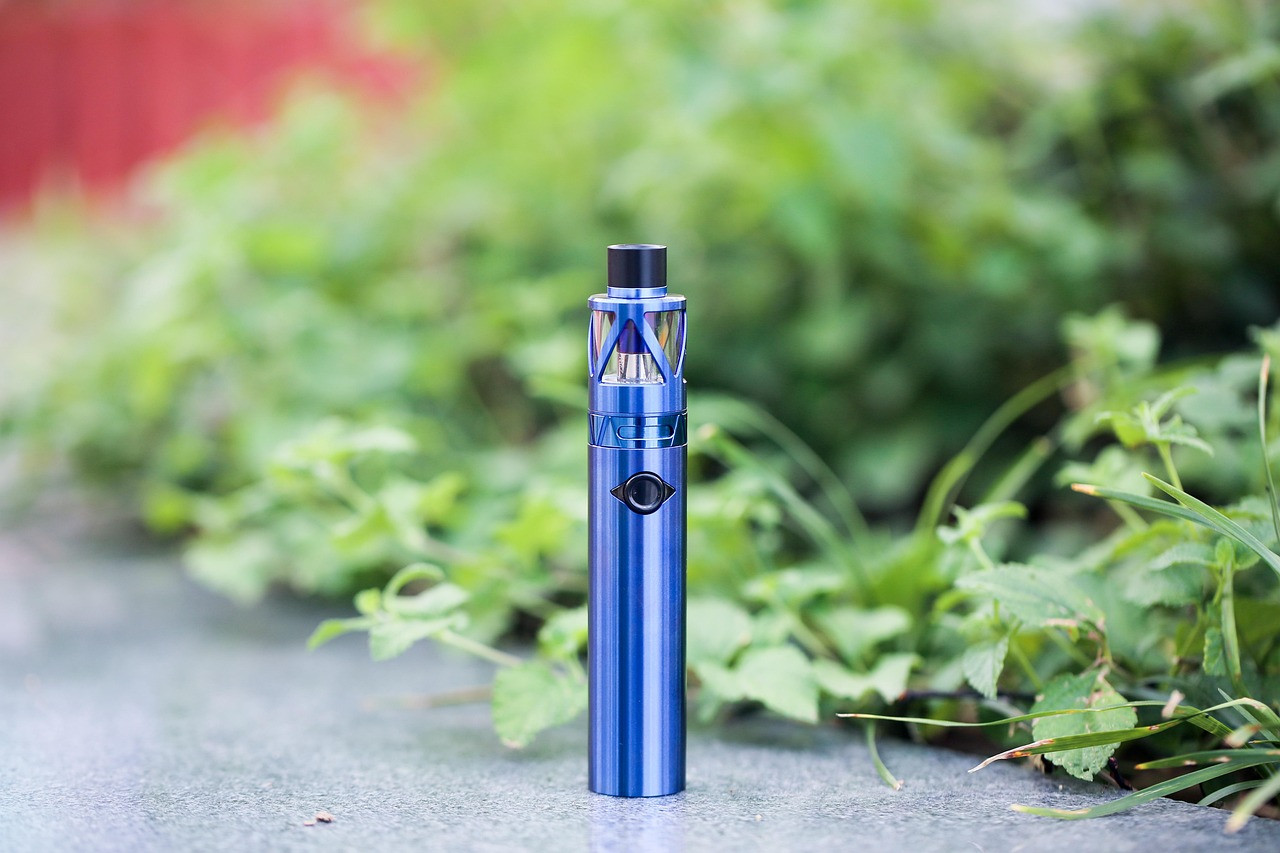
Representative image: haiberliu / Pixabay
A MUSC study in JAMA Pediatrics, announced on October 19, 2026, finds US teenage girls have vaped regularly at higher rates than boys since 2021.
What Happened
Teenage girls in the United States have been vaping regularly at higher rates than teenage boys since 2021, reversing the earlier pattern, according to a national study by researchers at the Medical University of South Carolina (MUSC) published in JAMA Pediatrics and announced on Monday, October 19, 2026. The researchers analysed ten years of national survey data, from 2014 to 2024, on adolescents aged 12 to 17, and found the gap is widest among older teenagers.
Key Facts
- The finding: girls have vaped regularly at higher rates than boys every year since 2021, according to the MUSC researchers.
- The data: the study used the national PATH (Population Assessment of Tobacco and Health) Study, covering US adolescents aged 12 to 17 from 2014 to 2024.
- What counted: only "current established" users, young people who reported using the product regularly and within the past 30 days, not those who had tried it once.
- Older teens: almost 8% of older teenage girls were regular vapers, compared with fewer than 5% of boys, according to reports of the study.
- The earlier pattern: boys vaped more than girls until youth vaping spiked in 2018 and 2019; vaping among girls has declined in the latest data, but the gap remains.
- Cigarettes: established cigarette smoking among teenagers has fallen sharply, to fewer than one in 200 school-age teens, the researchers reported.
- The paper: a research letter in JAMA Pediatrics led by Brandon Sanford of MUSC Hollings Cancer Center.
Why It Matters
For decades, public health campaigns against tobacco were built around the fact that boys were more likely to smoke. If girls are now more likely to vape, messages and school programmes designed with boys in mind may miss many of the young people who most need them. The researchers' definition was strict: they counted only regular users, so the figures do not include teenagers who experiment once. Lead author Brandon Sanford described the measure as a conservative estimate of use.
E-cigarettes heat a liquid, usually containing nicotine, into an aerosol that is inhaled. Nicotine is addictive, and young people's brains are still developing, which is why health bodies treat teenage vaping as a serious concern even as cigarette smoking falls to historic lows. The study does not explain why girls have overtaken boys. That is a question for further research, and possible explanations, from flavours and marketing to stress and social media, remain to be tested.
For families, the practical lesson is about conversations at home. Parents who assume vaping is mainly a problem for boys may not raise it with daughters. Experts at MUSC stressed that vaping remains a serious problem for both sexes. Benjamin Toll, director of the MUSC Health Tobacco Treatment Program, called for both prevention and treatment, and noted that boys still need attention too.
| Measure | What the study found |
|---|---|
| Ages covered | 12 to 17, United States |
| Years | 2014 to 2024 |
| Girls versus boys | Girls higher every year since 2021 |
| Older teens who vape regularly | About 8% of girls, under 5% of boys |
| Teens who smoke cigarettes regularly | Fewer than 1 in 200 |
The study is based on US data, and patterns in other countries, including India, may differ. It does, however, give parents everywhere a reason to talk to both sons and daughters about nicotine products, and to treat a teenager's vaping as a health issue for which help exists, not only as a matter of discipline.
Impact
Short-term: The findings are likely to inform US prevention campaigns and school health programmes, which may now target girls more directly.
Long-term: If regular vaping among girls continues, it could shape nicotine dependence and related health risks for a generation of young women, making early prevention and treatment more important.
Who is affected: Teenage girls and boys, parents and caregivers, schools, paediatricians, and public health agencies planning tobacco and nicotine prevention.
Key Takeaway
A JAMA Pediatrics study from the Medical University of South Carolina, announced on October 19, 2026, finds US teenage girls have vaped regularly at higher rates than boys since 2021, with the gap widest among older teens.
Questions and Answers
Do girls vape more than boys?
In the United States, yes, since 2021, according to a study by the Medical University of South Carolina published in JAMA Pediatrics. It found regular vaping was higher among girls aged 12 to 17, especially older teens.
How big is the gap?
According to reports of the study, almost 8% of older teenage girls were regular vapers, compared with fewer than 5% of boys.
What counted as vaping in the study?
Only "current established" use: teenagers who reported using e-cigarettes regularly and within the past 30 days. Those who had tried vaping once were not counted.
What should parents do?
The researchers stress that vaping is a serious problem for both sexes. Parents can talk to sons and daughters alike about nicotine, and seek help from a doctor or a tobacco treatment programme if a child is vaping regularly.
Disclaimer: Prepared by the Peepals newsroom from publicly available sources with AI assistance. Information is accurate to the best of our knowledge at the time of publication and may change. Images may be representative. Not professional advice. Report an error via our contact page.
Sourced and fact-checked by the Peepals Global Editorial Team
Ginbee Go to become first woman CEO of Philippines' BPI in April 2027
Women caregivers with heart conditions report heavier burden, US study finds
Reported, fact-checked and published by the Peepals Global Editorial Team.