
Zimbabwe High Court: mothers have no automatic right to child custody

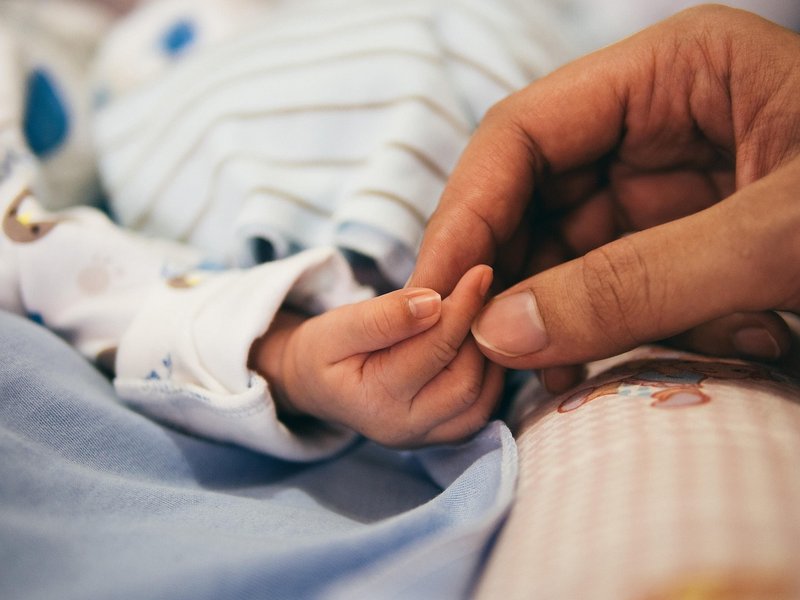
Representative image: GiselaFotografie / Pixabay
Zimbabwe's High Court, in a ruling reported on October 16-17, 2026, said mothers get no automatic custody preference; the child's welfare decides.
What Happened
Zimbabwe's High Court has ruled that mothers no longer have an automatic claim to the custody of their children simply because they are mothers, and that a child's welfare decides where the child lives. Justice Catherine Bachi-Mzawazi, sitting in Chinhoyi, dismissed a mother's application for sole custody of her three minor children and left them in the home they share with their father and stepmother. The judgment was reported on October 16 and 17, 2026, and rests on the Guardianship of Minors Amendment Act, 2022.
Key Facts
- The case was heard by Justice Catherine Bachi-Mzawazi of the High Court sitting in Chinhoyi, Zimbabwe.
- The mother asked for sole custody of her three minor children; the court refused and found no reason to move them from their current home with their father and stepmother.
- The mother was granted access to the children for the first two weeks of every school holiday.
- The father was directed to consult the mother on guardianship matters as and when the need arises.
- The court said the mother's reliance on an idea of maternal superiority was an outdated misconception, and that the children's best interests decide the outcome.
- The judge also stressed that equal parental rights do not override a child's welfare, which remains the deciding consideration.
- The ruling applies the Guardianship of Minors Amendment Act, 2022, which repealed provisions that had given fathers primary guardianship and mothers preferential custody.
Why It Matters
For decades, family law in many countries leaned on a simple rule of thumb: the father was the legal guardian, and the mother was the natural carer, especially of young children. Zimbabwe's old law followed that pattern. Its 2022 amendment removed the provisions that gave fathers primary guardianship rights and mothers preferential custody rights. This judgment shows a court applying the amended law in a real dispute, and saying plainly that a parent's gender no longer decides custody.
The ruling cuts both ways for women. It ends an automatic advantage that mothers had in custody cases. But the same principle of equal parenthood is what gives mothers an equal voice in guardianship, the legal power to make decisions for a child, which old laws often reserved for fathers. In this case, the court did not shut the mother out: it gave her a fixed share of every school holiday and told the father to consult her on guardianship matters when they arise. The decision treats both parents as partners in the children's lives even after the family has separated.
The court's reasons centred on stability. According to the reports, the children had settled into a harmonious relationship with their stepmother and her family, and the mother accepted that she did not have a permanent home. The judge held that uprooting the children was not justified. She also warned that equality between parents is not a right to take custody: whichever parent asks, the question is what serves the children.
The case speaks to a debate that families in India know well. As more mothers work outside the home, more fathers share daily care, and more children grow up across two homes or with step-parents, courts in many countries are moving away from fixed assumptions and towards a case-by-case test of the child's welfare. The Zimbabwe ruling is one clear example of that shift written into law and then applied.
| Point | Before the 2022 amendment | After, as applied in this ruling |
|---|---|---|
| Guardianship | Fathers held primary guardianship rights | Parents consult each other on guardianship |
| Custody | Mothers had preferential custody rights | No automatic preference for either parent |
| Deciding test | Gender-based presumptions played a part | The child's welfare and best interests |
| This case | Mother sought sole custody | Children stay with father; mother gets holiday access |
Impact
Short-term: The three children remain in their current home with their father and stepmother. Their mother will have them for the first two weeks of every school holiday, and their father must consult her on guardianship decisions.
Long-term: The judgment gives lower courts and lawyers in Zimbabwe a clear reading of the 2022 amendment: neither mother nor father starts a custody case ahead because of gender. Parents who are separating can expect courts to look at stability, the child's relationships and each parent's circumstances rather than at who the mother is.
Who is affected: Separated and divorced parents in Zimbabwe, whether or not they were married; their children; step-parents who help raise children; and family lawyers and courts that handle custody and guardianship disputes.
Key Takeaway
Zimbabwe's High Court has confirmed that under the 2022 amendment neither parent has an automatic right to custody, and that the child's welfare, not the parent's gender, decides where a child lives.
Questions and Answers
What did Zimbabwe's High Court decide about mothers and child custody?
In a judgment reported on October 16 and 17, 2026, Justice Catherine Bachi-Mzawazi in Chinhoyi ruled that mothers no longer enjoy an automatic preference in custody cases. She refused a mother's request for sole custody of three children and left them with their father and stepmother, saying the children's best interests decide the outcome.
Did the mother lose all contact with her children?
No. The court gave her access to the children for the first two weeks of every school holiday and directed the father to consult her on guardianship matters whenever the need arises.
Which law did the court rely on?
The court applied the Guardianship of Minors Amendment Act, 2022. That amendment repealed provisions that had given fathers primary guardianship rights and mothers preferential custody rights, so that both parents are treated equally.
Does equal parenthood mean either parent can claim custody as a right?
No. The judge stressed that equal parental rights do not override a child's welfare. Equality removes any automatic advantage for mothers or fathers, but the court still decides custody by asking what is best for the child.
Disclaimer: Prepared by the Peepals newsroom from publicly available sources with AI assistance. Information is accurate to the best of our knowledge at the time of publication and may change. Images may be representative. Not professional advice. Report an error via our contact page.
Sourced and fact-checked by the Peepals Global Editorial Team
CFDA/Vogue Fashion Fund 2026: Zane Li wins, two women designers runners-up
Big Brother UK: Women's Aid warns show is platforming controlling behaviour
Reported, fact-checked and published by the Peepals Global Editorial Team.