
Story time and play light up toddler brains more than a film, Northwestern study finds
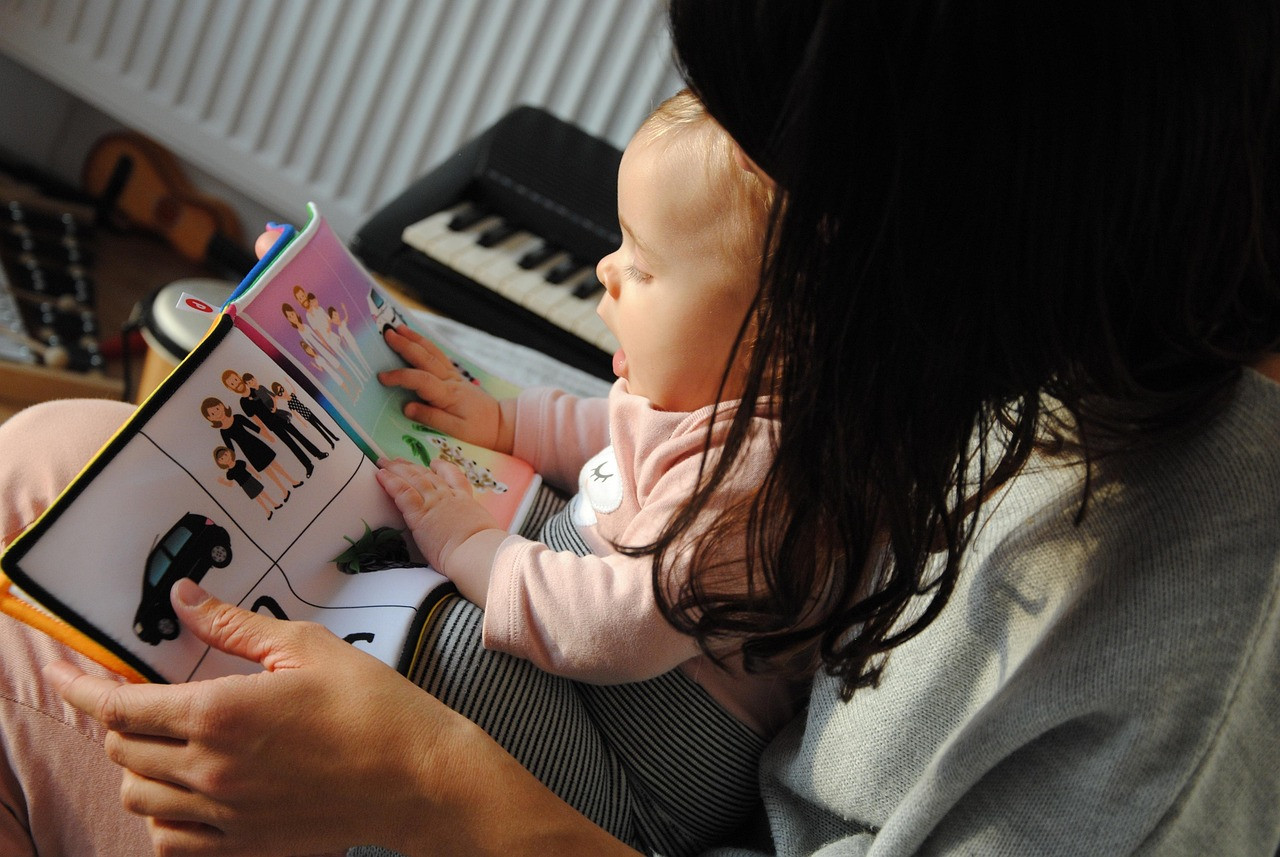
Representative image: 2081671 / Pixabay
A Northwestern University EEG study of 49 toddlers, published October 12, 2026, found shared reading and puzzles with a parent engage attention more than watching a film.
What Happened
Reading a picture book or doing a puzzle together with a parent engages a toddler's brain differently from watching a film side by side, a new study from Northwestern University in the United States has found. The study, published on October 12, 2026, in a special issue of the journal Brain and Language, recorded the brain activity of 49 toddlers aged 24 to 44 months while they played with a parent. During shared reading and puzzle play, the children showed lower alpha and higher theta brain activity than when they simply watched a movie with the same parent, a pattern researchers link with alert attention. The work was led by Brittany Manning and funded by the US National Institutes of Health.
Key Facts
- Institution: Northwestern University, United States.
- Journal: Brain and Language, special issue; published October 12, 2026.
- Participants: 49 toddlers between 24 and 44 months old, with a range of language abilities, including children with and without autism.
- Method: a "Social EEG" set-up, in which toddlers wore soft caps with sensors that recorded brain activity during natural play with a parent.
- Activities compared: reading interactive books, working on puzzles, and watching a movie together.
- Finding: shared reading and play produced lower alpha and higher theta activity than watching a movie.
- Children with slower language development and children with autism showed brain patterns similar to those of typically developing children.
- Funding: the US National Institutes of Health.
Why It Matters
Most of what we know about young children's brains comes from laboratory tasks in which a child sits still and looks at a screen. That is very different from how toddlers actually learn, which is mostly through back-and-forth play with the people around them. The Northwestern team's set-up let them record brain activity while a child turned pages, pointed at pictures and fitted puzzle pieces with a parent. That makes the findings closer to ordinary family life than many earlier studies.
The key result is about attention. Lower alpha brain activity is generally read as a sign that a person is alert and paying attention. When the toddlers read or played with a parent, their brains showed more of the pattern associated with focused attention than when they watched a film with that same parent sitting beside them. In simple terms, it is not only the parent's presence that matters, but what the parent and child are doing together.
For parents, the study offers reassurance rather than a new rule. Everyday moments, such as naming animals in a picture book, counting puzzle pieces or asking "what happens next?", are the kind of interactions that appear to switch on a toddler's attention. This is especially relevant for Indian families, where grandparents and older siblings often share childcare: anyone who reads and plays with a child in this active way is part of the same picture.
One finding surprised the researchers. Children with slower language development and children diagnosed with autism showed brain patterns similar to those of typically developing children during engaged play. That suggests shared play engages children who are developing differently too.
There are limits. The study is small, with 49 children, and it is observational. It shows differences in brain activity during different activities, not proof that play improves language or later school results. Screen time was represented by a single activity, watching a movie together, so the study does not cover every kind of screen use. The team says its next step is to see whether parents' and children's brains fall into step during engaged moments, and whether that link relates to language and mental health later on.
| Activity with parent | Brain pattern observed |
|---|---|
| Reading an interactive book | Lower alpha, higher theta (more alert engagement) |
| Doing a puzzle | Lower alpha, higher theta (more alert engagement) |
| Watching a movie together | Higher alpha, lower theta than shared play |
Impact
Short-term: The findings give parents, grandparents and early-years teachers a clear, evidence-based reason to make time for shared reading and hands-on play.
Long-term: The Social EEG method opens the door to studying how real family interaction shapes the developing brain. If the planned work on brain synchrony between parent and child finds links to language and mental health, it could shape early-childhood advice and support for children with autism or language delays.
Who is affected: Parents and caregivers of children under four; grandparents who share childcare; pre-school and anganwadi workers; therapists who work with children with autism or speech delays; and families weighing how much screen time to allow.
Key Takeaway
A Northwestern University study of 49 toddlers, published on October 12, 2026, found that reading and puzzle play with a parent produces brain patterns of focused attention that watching a film together does not.
Questions and Answers
What did the Northwestern toddler EEG study find about story time and play?
The study found that toddlers aged 24 to 44 months showed lower alpha and higher theta brain activity, a pattern linked with alert attention, when they read books or did puzzles with a parent than when they watched a movie with that parent. It was published on October 12, 2026, in Brain and Language.
Does this mean screen time harms toddlers?
The study did not test harm. It compared one screen activity, watching a film together, with shared reading and play, and found that active interaction engaged attention more. It is a small observational study and does not show long-term effects.
Did the results apply to children with autism or speech delays?
Yes. Children with slower language development and children diagnosed with autism showed brain patterns similar to those of typically developing children during engaged play with a parent.
What can parents do with this at home?
Reading a picture book together, talking about the pictures, or doing a simple puzzle side by side are the kinds of activities the study measured.
Disclaimer: Prepared by the Peepals newsroom from publicly available sources with AI assistance. Information is accurate to the best of our knowledge at the time of publication and may change. Images may be representative. Not professional advice. Report an error via our contact page.
Sourced and fact-checked by the Peepals Global Editorial Team
Reported, fact-checked and published by the Peepals Global Editorial Team.