
Indian mothers take 130 days' parental leave, fathers 7, Deel study finds

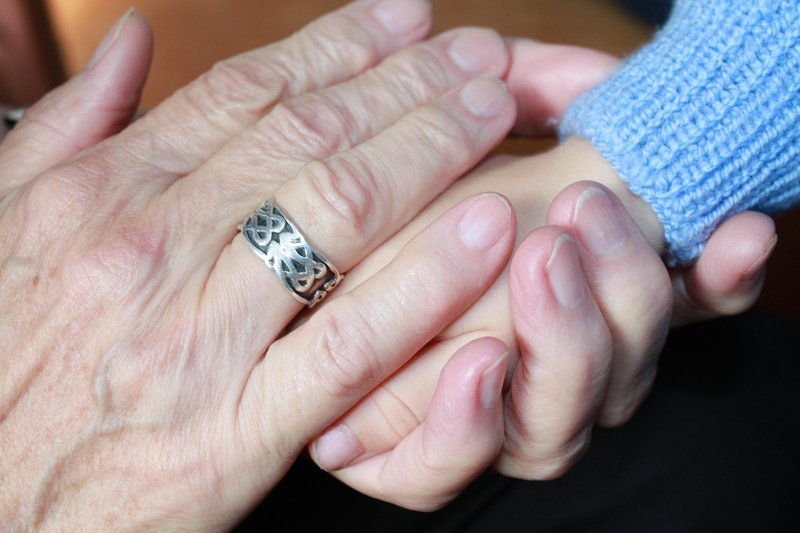
Representative image: StockSnap / Pixabay
A Deel study reported on October 21, 2026 finds Indian mothers take a median 130 working days of parental leave and fathers 7; 25% of mothers quit within six months.
What Happened
A study by the payroll and HR company Deel, reported on October 21, 2026, found that working mothers in India take a median of 130 working days of parental leave while fathers take just 7, the second-widest gap among the 12 countries it compared. The analysis of 7,285 parents in 97 countries from 2021 to 2026, led by Deel economist Lauren Thomas, also found that across the 12 countries 30% of mothers and 23% of fathers had left their jobs within six months of returning from leave.
Key Facts
- Data: anonymised payroll, HR and time-off records of 7,285 parents in 97 countries, 2021 to 2026, with a detailed comparison of 12 countries covering almost 5,000 employees.
- India: mothers take a median of 130 working days of leave, fathers 7, a gap of about 18.6 times, second only to the United Kingdom.
- United Kingdom: the widest gap, with mothers taking a median of 195 days and fathers 10, about 19.5 times.
- Across the 12 countries, fathers took 16.4 fewer weeks than mothers even after allowing for job, age, seniority, pay and leave entitlement.
- Leaving work: 30% of mothers and 23% of fathers had left their job within six months of leave ending; in India the figures were 25% of mothers and 20% of fathers.
- United States: the pattern reversed, with 34% of fathers and 33% of mothers gone within six months.
- Limits: Deel says its data over-represents white-collar professionals, so it may not reflect the wider workforce.
Why It Matters
The study measures what parents actually take, not what the law or a company policy offers. That distinction matters, because the report's central finding is that generous leave on paper does not by itself make the care of a new baby a shared job. Even when the researchers compared parents with similar jobs, pay and entitlements, fathers still took about 16 weeks less than mothers.
The Indian figures follow the law closely. Mothers' median of 130 working days matches the 26 weeks of paid maternity leave guaranteed for the first two children under the Maternity Benefit (Amendment) Act, 2017. For fathers there is no central law giving private-sector employees paternity leave, and many companies offer between five and fifteen days, so a median of 7 days sits at the lower end of that range. In practice, the first months of a child's life in Indian working families fall almost entirely on the mother.
The job-exit numbers show the cost. A quarter of Indian mothers in the data had left their job within six months of coming back. That can mean a career break, a switch to a more flexible employer or leaving paid work altogether, and each choice can affect pay and promotion for years. Fathers are not untouched: one in five Indian fathers in the data also moved on within six months, a reminder that a new child reshapes both parents' working lives.
The findings feed directly into a debate about family roles. Families that want to share care more evenly face a system in which the mother's leave is long and protected and the father's is short and voluntary. Some countries have tried to change this by reserving leave for fathers or rewarding couples who share it. The study suggests that such design choices, and workplace culture, matter as much as the number of days on offer.
| Country | Mothers' median leave | Fathers' median leave |
|---|---|---|
| United Kingdom | 195 days | 10 days |
| India | 130 working days | 7 working days |
Impact
Short-term: the figures give employers in India a benchmark for how little paternity leave fathers actually take, and may prompt HR teams to look at why returning mothers leave within six months.
Long-term: if more firms offer and encourage longer paternity leave and better support on return, the share of mothers who leave work after a baby could fall, helping to keep women in the workforce.
Who is affected: working parents in India and abroad, especially new mothers returning to work; fathers deciding how much leave to take; and employers designing leave and return-to-work policies.
Key Takeaway
Deel's data shows Indian mothers take a median of 130 working days of parental leave and fathers just 7, and a quarter of mothers leave their job within six months of returning.
Questions and Answers
What did the Deel parental leave study find about India?
Indian mothers in its data took a median of 130 working days of parental leave and fathers 7, the second-widest gap of 12 countries. Within six months of returning, 25% of mothers and 20% of fathers had left their jobs.
Which country has the biggest gap?
The United Kingdom, where mothers took a median of 195 days and fathers 10, about 19.5 times as much. India was second at about 18.6 times.
Does India have paternity leave by law?
Mothers get 26 weeks of paid maternity leave under the Maternity Benefit (Amendment) Act, 2017, for the first two children. There is no central law giving private-sector fathers paternity leave; many employers offer five to fifteen days.
How reliable are these figures?
They come from records of employees on Deel's platform, 7,285 parents across 97 countries. Deel notes that white-collar professionals are over-represented, so the results may not reflect all workers.
Disclaimer: Prepared by the Peepals newsroom from publicly available sources with AI assistance. Information is accurate to the best of our knowledge at the time of publication and may change. Images may be representative. Not professional advice. Report an error via our contact page.
Sourced and fact-checked by the Peepals Global Editorial Team
Moncler sales flat as warm weather, fewer tourists hit Europe
Online mindfulness programme cuts depression relapse in pregnancy by 26%
Reported, fact-checked and published by the Peepals Global Editorial Team.