
Bangladesh to review garment wages as workers demand Tk 30,000 a month
 By Simran KaurFashion Writer, Peepals Shakti
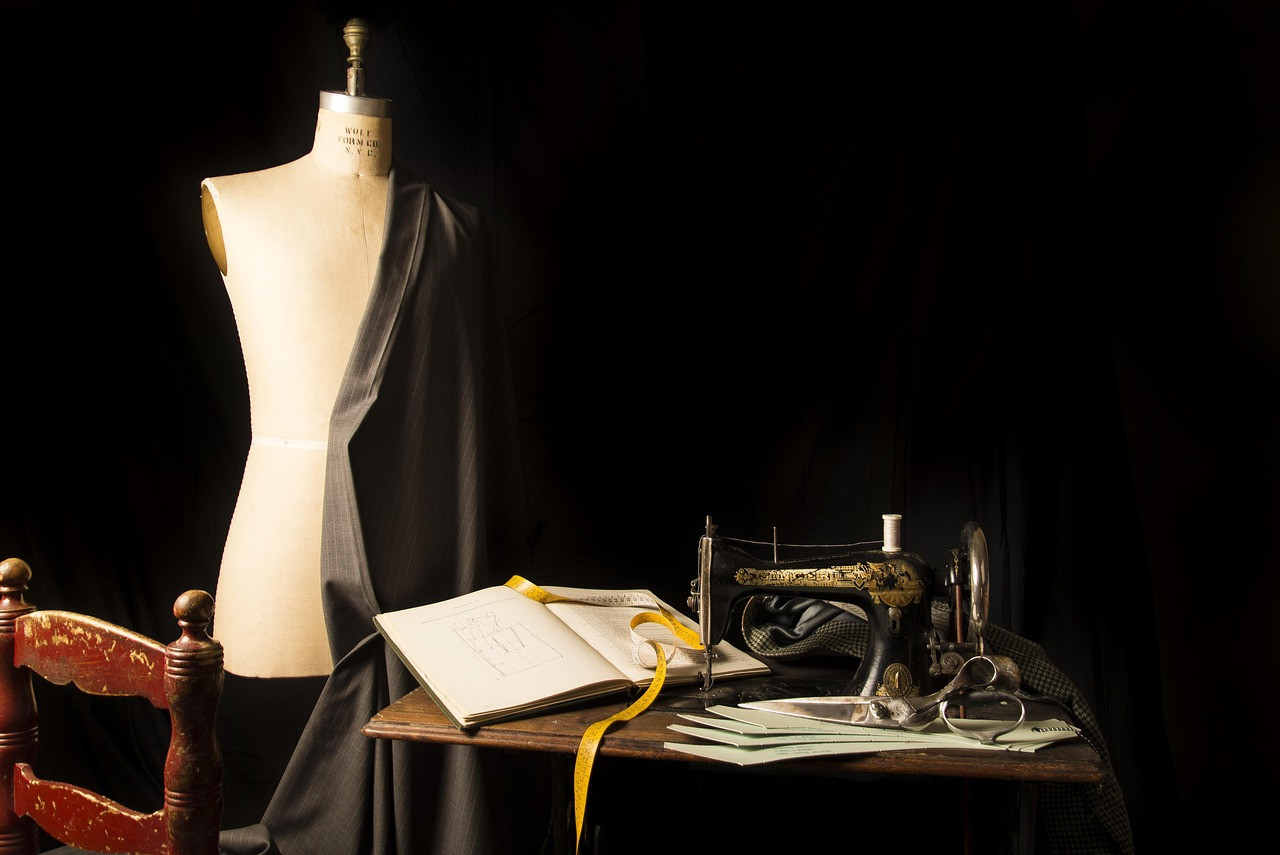
Representative image: nebulosagrafica / Pixabay
Bangladesh says it will soon form a wage board to set a new minimum wage for garment workers, after weeks of protests in Dhaka demanding Tk 30,000 a month.
What Happened
Bangladesh's government will soon form a wage board to set a new minimum wage for garment workers, labour and employment secretary Md. Abdur Rahman Tarafder has said, according to a report published on October 26, 2026. The move follows weeks of protests in and around Dhaka, where workers from several factories in Uttara demanded a minimum monthly wage of Tk 30,000 (about $243) and payment of wages owed to them. Manufacturers had pushed to delay the next mandatory review until 2028.
Key Facts
- Wage board: to be formed soon to fix a new minimum wage for garment workers, according to the labour secretary; no date has been announced.
- Current minimum wage: Tk 12,500 a month, set in November 2023.
- Workers' demand: Tk 30,000 a month, along with unpaid arrears; one union centre has called for Tk 35,000.
- Protests: workers in Uttara took to the streets for four days in a row; clashes with police on October 17 left at least 50 people injured, including 18 police personnel, according to reports.
- Police also dispersed workers who blocked the Dhaka-Mymensingh highway.
- A 2026 amendment to Bangladesh's labour law shortened the gap between minimum-wage reviews from five years to three.
- Manufacturers say rising raw material and energy costs make higher wages hard to pay.
Why It Matters
Bangladesh's garment factories make clothes for many global fashion brands, so the clothes on shop shelves abroad often start there. That makes the minimum wage there a question not only for Bangladeshi workers and factory owners but for the whole global fashion supply chain.
The gap between the two sides is large. The current minimum of Tk 12,500 was fixed in late 2023. Since then, workers say, living costs have kept rising while their pay has not kept up. Their demand of Tk 30,000 would more than double the current minimum. Reports note that the two figures are not directly comparable, because Tk 12,500 is the gross minimum wage, while some protesters are asking for Tk 30,000 as basic pay. Employers argue that their own costs for raw materials and energy have risen.
The labour law change matters here. By cutting the review interval from five years to three, the 2026 amendment means a review falls due now rather than in 2028, which is why the manufacturers' push for a delay met resistance.
For readers interested in fashion, the issue links what people pay for clothes with what the people who make them earn. Labour advocates have called for a clear "living wage" framework, meaning pay enough to cover a decent standard of living, not just the legal minimum. How brands respond, and whether they are willing to share the cost of higher wages through the prices they pay factories, will be watched closely.
| Point | Figure |
|---|---|
| Current minimum wage (since November 2023) | Tk 12,500 a month |
| Workers' main demand | Tk 30,000 a month |
| Union centre demand | Tk 35,000 a month |
| Review interval under 2026 law | Every 3 years (was 5) |
Impact
Short-term: Protests may continue until the wage board is formed and begins its work. Factories face disruption, and buyers may worry about delays to orders for the coming seasons.
Long-term: A new minimum wage will raise costs for factories and could push up prices for global brands. If it is well implemented, it could also reduce unrest and improve living standards for workers.
Who is affected: Bangladesh's garment workers and their families; factory owners and their industry bodies; global fashion brands that source from Bangladesh; and competing garment-making countries, including India, whose costs are compared with Bangladesh's.
Key Takeaway
Bangladesh will set up a wage board for garment workers after protests demanding Tk 30,000 a month, a review with consequences for the global fashion supply chain.
Questions and Answers
What is the minimum wage for garment workers in Bangladesh?
It is Tk 12,500 a month, set in November 2023. Workers are now demanding Tk 30,000 a month, and one union centre has asked for Tk 35,000.
Why is Bangladesh reviewing garment wages now?
A 2026 amendment to the labour law shortened the interval between minimum-wage reviews from five years to three. The labour secretary has said a wage board will be formed soon, after weeks of protests.
What happened in the Dhaka garment protests?
Workers from several factories in Uttara protested for four days in a row. Clashes with police on October 17 left at least 50 people injured, including 18 police personnel, according to reports.
How does this affect fashion brands?
Many global brands make clothes in Bangladesh. A higher minimum wage would raise factory costs, which could affect the prices brands pay for orders and, possibly, the prices shoppers pay.
Disclaimer: Prepared by the Peepals newsroom from publicly available sources with AI assistance. Information is accurate to the best of our knowledge at the time of publication and may change. Images may be representative. Not professional advice. Report an error via our contact page.
By Simran Kaur, Fashion WriterCovers Fashion and more for Peepals Shakti. All stories by Simran Kaur
US birth rate hits record low as more women have babies after 30
Iliana Iotova leads Bulgaria vote, one step from first elected woman president
Simran Kaur is a pen name of the Peepals Global Editorial Team, which researches, fact-checks and publishes every story. The portrait is an illustration.