
World Menopause Day 2026 puts chronic pain at midlife in focus
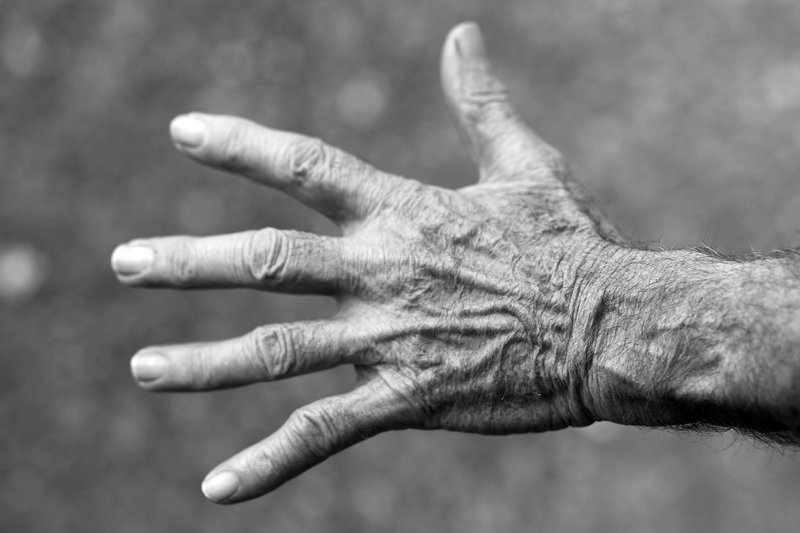
Representative image: dungthuyvunguyen / Pixabay
World Menopause Day on October 18, 2026 will focus on chronic pain at midlife, with the International Menopause Society calling for joined-up care.
What Happened
World Menopause Day on Sunday, October 18, 2026 will focus on chronic pain at midlife, the International Menopause Society (IMS) has said. The society, which created the day in 2009, has published a white paper, a factsheet for women and an event toolkit for doctors and community groups ahead of the date, as part of October's menopause awareness month. The white paper, titled "Chronic pain at midlife", appears in the society's journal Climacteric and reviews conditions such as fibromyalgia, migraine and chronic pelvic pain. It calls for chronic pain to be recognised as a key part of menopause care.
Key Facts
- World Menopause Day is observed every year on October 18; the 2026 theme is "Chronic Pain at Midlife".
- The International Menopause Society created the day in 2009.
- The IMS white paper reviews fibromyalgia, migraine and chronic pelvic pain, and covers how culture, lifestyle and hormone therapy affect pain.
- It says these conditions often overlap and may share mechanisms involving the nervous system, immune system, hormones, musculoskeletal health and pain processing.
- The IMS factsheet notes that pain often appears in more than one form at once, for example joint pain with migraine, or pelvic pain with tiredness.
- The paper discusses a proposed "musculoskeletal syndrome of menopause", covering muscle and joint pain, loss of lean muscle and lower bone density that may be linked to falling oestrogen.
- According to the factsheet, hormone therapy can ease many menopause symptoms and may improve how pain feels for some women, but evidence does not show that it reliably treats pain.
Why It Matters
Menopause is usually discussed in terms of hot flushes, sleep problems and mood changes. Pain gets far less attention, even though aches in the joints, headaches and pelvic pain can make daily life, work and relationships harder for women in their forties and fifties. By choosing pain as this year's theme, the society is asking doctors to take these complaints seriously rather than dismiss them as a normal part of getting older.
The white paper's central point is that different kinds of pain at midlife often travel together and may share common roots in the body's nerves, immune system and hormones. That has a practical consequence. A woman who sees one specialist for joint pain, another for migraines and a third for pelvic pain may never have the full picture joined up. The society's call is for care that is personalised and brings several kinds of expertise together.
The message on hormone therapy is balanced. It can help with many menopause symptoms, and some women find their pain feels better as a result, but the society says the evidence does not show that hormone therapy reliably treats pain. That makes it one possible part of a plan, not a cure, and a decision for a woman to make with her doctor.
For women in India, the theme is a useful prompt to raise pain with a doctor rather than treat it as something to live with. Keeping a simple record of when pain occurs, where it is and what makes it better or worse can help a doctor see patterns and decide on treatment.
| Condition | What the IMS highlights |
|---|---|
| Joint and muscle pain | Possible link to falling oestrogen; part of a proposed "musculoskeletal syndrome" |
| Migraine | Often occurs alongside other kinds of pain |
| Chronic pelvic pain | Reviewed as one of the main midlife pain conditions |
| Fibromyalgia | Widespread pain that often overlaps with other conditions |
Impact
Short-term: Hospitals, gynaecologists and women's health groups are likely to hold awareness events around October 18 using the society's materials.
Long-term: Treating midlife pain as part of menopause care could lead to earlier diagnosis and better-coordinated treatment for women.
Who is affected: Women in perimenopause and after menopause, their families and employers, and doctors including gynaecologists, pain specialists and general physicians.
Key Takeaway
World Menopause Day on October 18, 2026 puts chronic pain at midlife in focus, with the International Menopause Society urging joined-up, personalised care for pain that often comes in more than one form.
Questions and Answers
When is World Menopause Day 2026 and what is the theme?
It is on October 18, 2026, and the International Menopause Society has chosen "Chronic Pain at Midlife" as the theme.
Is joint pain linked to menopause?
The society's white paper discusses a proposed "musculoskeletal syndrome of menopause" in which muscle and joint pain may be related to falling oestrogen levels, though research is still continuing.
Does hormone therapy treat pain during menopause?
According to the society's factsheet, hormone therapy can ease many menopause symptoms and may make pain feel better for some women, but evidence does not show that it reliably treats pain.
What should a woman with pain at midlife do?
See a doctor, describe all the kinds of pain she has rather than one at a time, and ask about a care plan that may combine lifestyle changes, physiotherapy, medicines and, where suitable, hormone therapy.
Disclaimer: Prepared by the Peepals newsroom from publicly available sources with AI assistance. Information is accurate to the best of our knowledge at the time of publication and may change. Images may be representative. Not professional advice. Report an error via our contact page.
Sourced and fact-checked by the Peepals Global Editorial Team
Goddess Shakti and Women's Strength
OECD: one in eight children poor; early-years care is best family investment
Reported, fact-checked and published by the Peepals Global Editorial Team.