
Pregnancy complications may flag later heart and kidney risk, big UK study finds
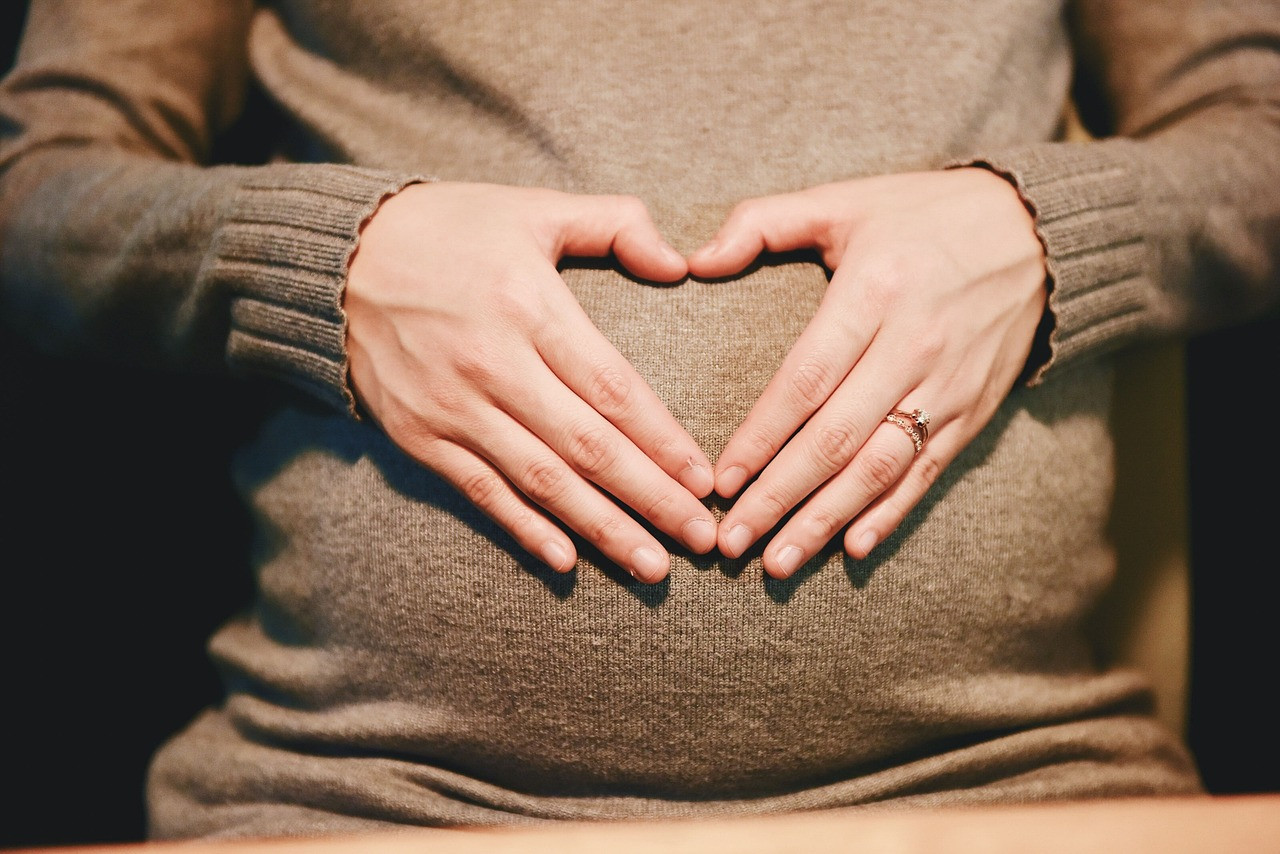
Representative image: StockSnap / Pixabay
A UK study of 1.4 million women published this week links pregnancy complications such as pre-eclampsia and gestational diabetes to higher later rates of hypertension, kidney disease and diabetes.
What Happened
Women who have complications during pregnancy may face a higher risk of heart, kidney and metabolic disease in the years that follow, according to a large study published this week in the journal BMJ Medicine. Researchers led by the University of Birmingham and King's College London, working as part of the MuM-PreDiCT research group, analysed the primary care health records of about 1.4 million women in England who became pregnant between 2000 and 2022, following them for an average of four years. Their findings, reported on October 6 and 7, 2026, suggest that a range of pregnancy problems, not just the well-known ones, could act as an early warning sign that a woman needs closer health checks later in life.
Key Facts
- Study size: about 1.4 million women in England who became pregnant between 2000 and 2022, followed for an average of four years.
- Women with high blood pressure in pregnancy or pre-eclampsia had roughly three times the rate of later hypertension and about twice the rate of chronic kidney disease.
- Gestational diabetes showed the strongest link with later type 2 diabetes, at about seven times the rate.
- Miscarriage, stillbirth, placental abruption and preterm birth were linked to modestly higher rates of one or more of the later conditions.
- Postnatal depression was associated with a 35% to 56% higher rate of the four conditions studied.
- The study is observational, so it shows associations, not proof that the complications cause later disease.
Why It Matters
For many women, pregnancy is the first time they have regular, detailed health checks. This study suggests those checks can reveal more than how the pregnancy is going: they can also flag women whose heart, kidneys or blood sugar may need watching for years afterwards. The researchers say evidence for complications other than high blood pressure and gestational diabetes had been limited until now, and this large dataset helps fill that gap.
The practical message is about follow-up. Once a baby is born, attention usually shifts to the child, and a mother's own health checks often fade. If a woman had pre-eclampsia, gestational diabetes or another complication, these findings support regular blood pressure, blood sugar and kidney checks in the years after delivery, even if she feels well.
The link with postnatal depression is a reminder that mental and physical health are connected. Women who went through depression after childbirth also showed higher rates of later physical conditions, which supports looking after both together rather than treating them separately.
For women in India too, the study is a useful prompt to keep pregnancy records and share them with doctors in later years. A complication that ended with a healthy delivery is still worth mentioning at future check-ups.
| Pregnancy complication | Later condition most linked | Approximate difference |
|---|---|---|
| High blood pressure in pregnancy or pre-eclampsia | Hypertension | About three times the rate |
| High blood pressure in pregnancy or pre-eclampsia | Chronic kidney disease | About twice the rate |
| Gestational diabetes | Type 2 diabetes | About seven times the rate |
| Postnatal depression | Four conditions studied | 35% to 56% higher rate |
Impact
Short-term: Women with a history of pregnancy complications, and their doctors, can use the findings to plan regular blood pressure, blood sugar and kidney checks after childbirth.
Long-term: The research could support health systems in adding pregnancy history to routine risk checks, helping spot heart, kidney and metabolic disease earlier in women.
Who is affected: Women who have had or are having pregnancy complications, new mothers, obstetricians and family doctors, and public health planners.
Key Takeaway
Problems in pregnancy, from pre-eclampsia to postnatal depression, can be an early signal of later heart, kidney or diabetes risk, so women's health checks should continue well after delivery.
Questions and Answers
What did the new pregnancy study find?
A study of about 1.4 million women in England, published in BMJ Medicine, found that pregnancy complications were linked to higher later rates of hypertension, chronic kidney disease and type 2 diabetes.
Which pregnancy complications showed the strongest links?
High blood pressure in pregnancy and pre-eclampsia were linked to about three times the rate of later hypertension, and gestational diabetes to about seven times the rate of type 2 diabetes.
Does this mean pregnancy complications cause heart or kidney disease?
No. The study is observational, so it shows an association, not cause and effect. It does suggest these women may benefit from closer health checks.
What should women who had pregnancy complications do?
Tell your doctor about any complications in past pregnancies and ask about regular checks of blood pressure, blood sugar and kidney function in the years after childbirth.
Disclaimer: Prepared by the Peepals newsroom from publicly available sources with AI assistance. Information is accurate to the best of our knowledge at the time of publication and may change. Images may be representative. Not professional advice. Report an error via our contact page.
Sourced and fact-checked by the Peepals Global Editorial Team
Natural beauty brand Nat Habit raises Rs 142 crore to grow in stores, quick commerce
Odisha pays Rs 99.26 crore loan interest support to 1.8 lakh women's SHGs
Reported, fact-checked and published by the Peepals Global Editorial Team.