
Zara Fifth Avenue flagship reopens with first US automated garment sorting
 By Simran KaurFashion Writer, Peepals Shakti
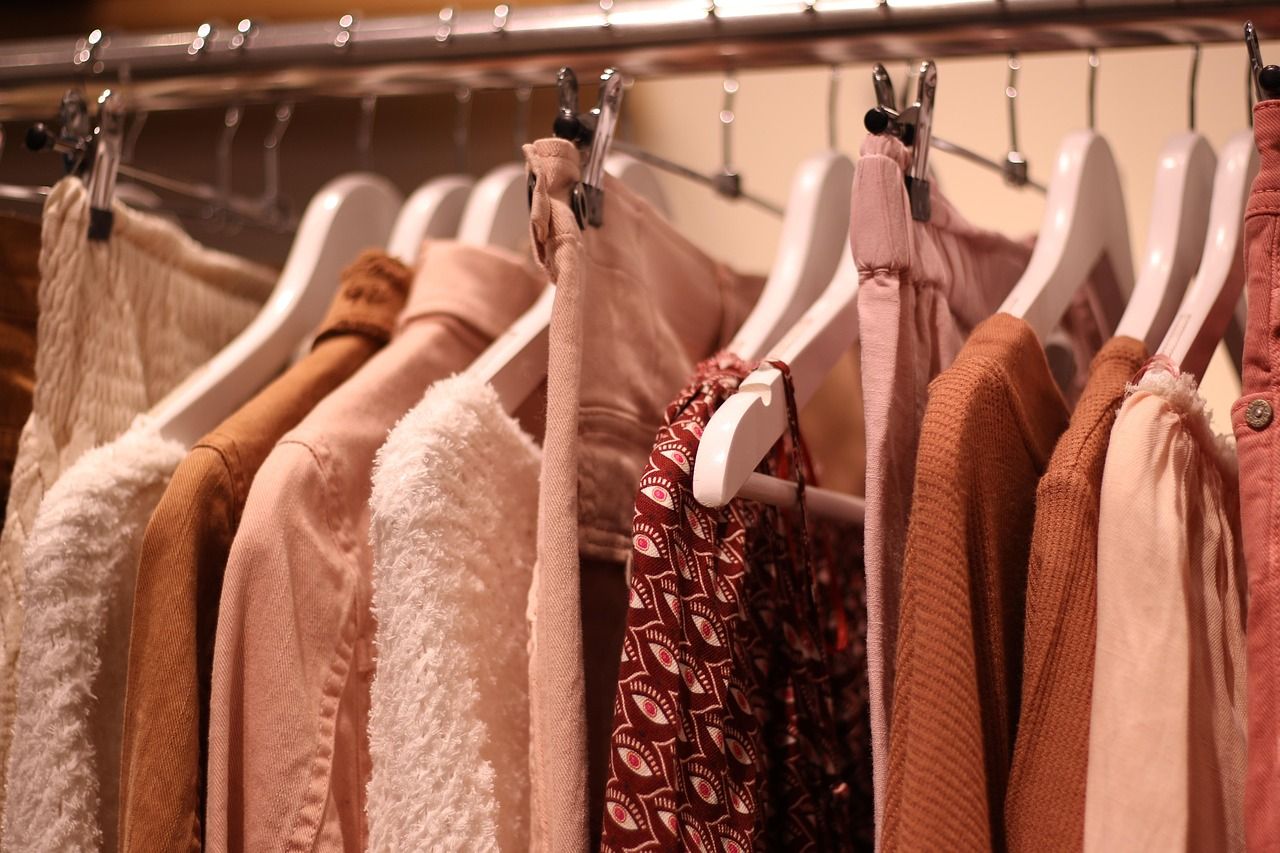
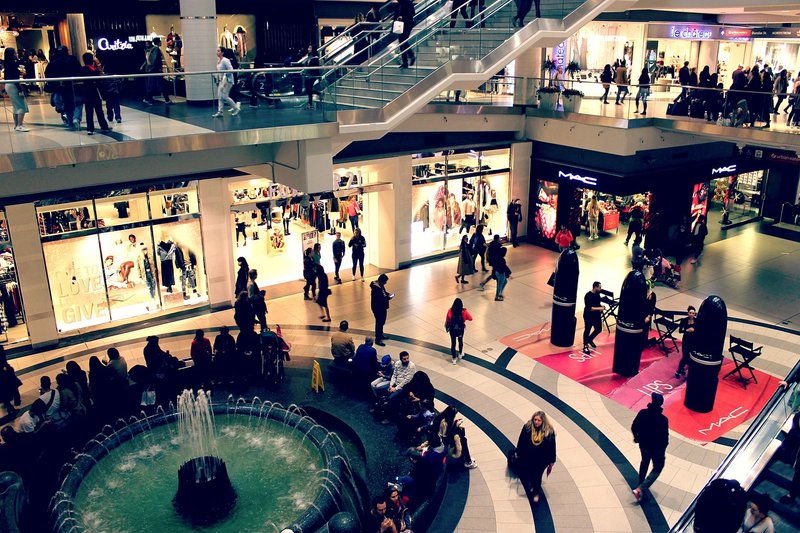
Representative image: OrnaW / Pixabay
Zara reopened its 660 Fifth Avenue flagship in New York on 19 November 2026 after seven months of work, with the first automated garment sorting in a US Zara.
Zara Fifth Avenue: what happened
Zara reopened its flagship store at 660 Fifth Avenue in New York on Thursday, 19 November 2026, after a renovation that kept the shop closed for seven months. The three-level store, at the corner of 52nd Street, again sells women's, men's and children's collections, and it is the first Zara in the United States with an automated system that identifies and sorts both newly delivered garments and the clothes shoppers leave in the fitting rooms. Zara's parent company, Inditex, described the reopening as a new step in its selective growth in the US.
Zara Fifth Avenue: key facts
- Reopened: Thursday, 19 November 2026, after seven months of work.
- Address: 660 Fifth Avenue at 52nd Street, Manhattan; the store first opened in 2012.
- Size: about 42,000 square feet over three levels, of which about 32,000 square feet is selling space.
- Technology: the first Zara in the US with automated sorting of new stock and fitting-room returns.
- Design: done by Zara's in-house architecture and interior design studio; the building's original cast-iron columns have been restored, and the men's floor keeps its ornate tin ceilings.
- Energy: high-performance climate control, LED lighting and selected materials to cut energy use.
- Exclusive range: a capsule of leather pieces in muted tones, sold under a "660 Fifth Avenue" label.
- Next: Inditex has announced up to 20 US projects, including openings, renovations and relocations, through the end of 2027.
Zara Fifth Avenue: why it matters
Fifth Avenue is one of the most expensive and most watched shopping streets in the world, and a flagship there is as much an advertisement as a shop. When a fast-fashion brand spends seven months rebuilding such a store, rather than simply refreshing it, it is telling investors and rivals where it sees growth. Inditex's own words, "selective growth" in the US, suggest fewer but larger and better-equipped stores rather than a rush to open everywhere.
The automated sorting system is the part most worth watching for the trade. In a busy flagship, staff spend a large share of their time carrying new deliveries to the floor and putting tried-on clothes back on the rails. A machine that recognises and sorts each garment frees that time for selling and cuts the number of items lost or misplaced. It shows how the biggest fashion groups now compete on logistics as well as on design.
The design choices also matter for a brand often criticised for speed and waste. Restoring the original cast-iron columns and the tin ceilings, instead of stripping the building, and installing efficient climate control and LED lighting are the kind of steps that let a fast-fashion chain talk about heritage and energy savings. Whether those steps answer the wider criticism of fast fashion is a separate question that a single store cannot settle.
Peepals calculation: selling space is about 76% of the store (32,000 ÷ 42,000 ≈ 0.76). In India, Zara's joint venture with Trent earned a profit of Rs 204.14 crore on revenue of Rs 2,749.28 crore in 2025-26, against Rs 299.84 crore on Rs 2,782 crore a year earlier, so its profit margin narrowed from about 10.8% to about 7.4% (204.14 ÷ 2,749.28 ≈ 0.074; 299.84 ÷ 2,782 ≈ 0.108). Our calculation from the reported figures.
That Indian comparison explains why the New York store is relevant to readers here. Zara's Indian business, run by Inditex Trent Retail India, where Trent now holds a 20% stake and Inditex the rest, saw revenue slip about 1.2% and profit fall about 32% in 2025-26, according to Trent's filing, amid growing competition in Indian fast fashion. Ideas tried first in a flagship like Fifth Avenue, from automated stock handling to exclusive capsule ranges, are the tools Inditex can later bring to big-city stores elsewhere, including India.
| Zara figures at a glance | Value |
|---|---|
| New York flagship size | about 42,000 sq ft, three levels |
| New York selling space | about 32,000 sq ft |
| India revenue, 2025-26 | Rs 2,749.28 crore |
| India profit, 2025-26 | Rs 204.14 crore |
| India profit, 2024-25 | Rs 299.84 crore |
Zara Fifth Avenue: impact
Short-term: Shoppers in New York get a larger, rebuilt store in time for the holiday season, with a leather capsule they cannot buy elsewhere.
Long-term: Inditex's plan of up to 20 US openings, renovations and relocations through 2027 shows the Fifth Avenue store is part of a wider push.
Who is affected: Zara's store staff, whose routine work changes with automation; rival chains on Fifth Avenue; and Indian fashion retailers, who compete with Zara's Indian stores.
What to watch next: Inditex's US programme of up to 20 openings, renovations and relocations through 2027.
Zara Fifth Avenue: key takeaway
Watch whether Zara's automated garment sorting, first tried in the US at Fifth Avenue, spreads to other stores: it is the clearest sign of where fast fashion's next round of competition will be fought.
Zara Fifth Avenue: questions and answers
When did the Zara Fifth Avenue store reopen?
It reopened on Thursday, 19 November 2026, after seven months of renovation. The store is at 660 Fifth Avenue, at the corner of 52nd Street in Manhattan.
What is new in the Zara Fifth Avenue flagship?
It is the first Zara in the US with an automated system that sorts new deliveries and fitting-room returns. It also has restored cast-iron columns, energy-saving climate control and lighting, and an exclusive leather capsule labelled "660 Fifth Avenue".
Who owns Zara's stores in India?
They are run by Inditex Trent Retail India, a joint company of Inditex and Trent; Trent now holds 20% and Inditex the rest, according to Trent's annual filing.
How did Zara India do last financial year?
In 2025-26 it earned revenue of Rs 2,749.28 crore, slightly below the year before, and its profit fell about 32% to Rs 204.14 crore, according to Trent's filing.
Disclaimer: Prepared by the Peepals newsroom from publicly available sources with AI assistance. Information is accurate to the best of our knowledge at the time of publication and may change. Images may be representative. Not professional advice. Report an error via our contact page.
By Simran Kaur, Fashion WriterCovers Fashion and more for Peepals Shakti. All stories by Simran Kaur
Ashley Kechter named Athleta CEO: ex-Vuori president to lead brand turnaround
HPV vaccine drive crosses 1 crore doses for girls in nine months
Your week ahead, every Sunday. Free.
Exam and result dates, IPOs opening, scheme deadlines, government holidays and the RBI decision for the next 7 days, plus the week's top stories. One email a week, unsubscribe in one click.
Simran Kaur is a pen name of the Peepals Global Editorial Team, which researches, fact-checks and publishes every story. The portrait is an illustration.
Responsible for this story: the Peepals Global Editorial Team, led by editor Prashant Sonar. How we report