
Vikas Aur Virasat at IITF 2026: 200 handloom, craft stalls till November 27
 By Simran KaurFashion Writer, Peepals Shakti
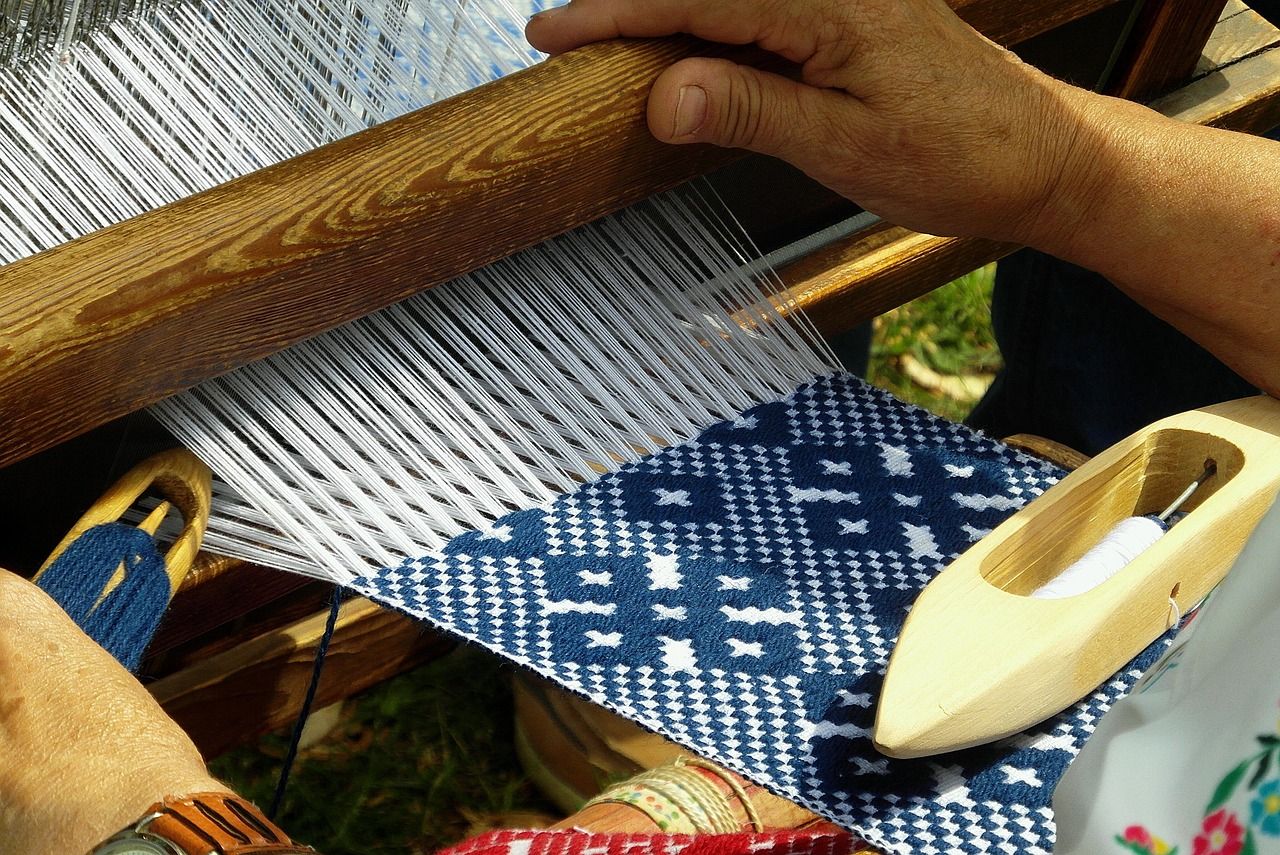
Representative image: Nowaja / Pixabay
The Textiles Ministry's 'Vikas Aur Virasat' handloom and handicraft pavilion at IITF 2026 has 200 stalls from 21-plus states and runs till 27 November 2026.
Vikas Aur Virasat: what happened
The Ministry of Textiles' "Vikas Aur Virasat" handloom and handicraft exhibition-cum-sale, opened by Union Textiles Minister Giriraj Singh on Monday, 16 November 2026, is running in Hall 5 of Bharat Mandapam, New Delhi, as part of the India International Trade Fair (IITF) 2026, and stays open until Friday, 27 November. The pavilion, organised by the National Handloom Development Corporation (NHDC), has 200 stalls, half for handloom and half for handicrafts, with weavers and artisans from more than 21 states and union territories. Visitors can buy directly from the makers between 10 am and 7.30 pm.
Vikas Aur Virasat: key facts
- Where: Hall 5, Bharat Mandapam, New Delhi, inside IITF 2026.
- When: inaugurated on 16 November; open until 27 November 2026, 10 am to 7.30 pm.
- Organiser: National Handloom Development Corporation, under the Ministry of Textiles.
- Size: 200 stalls, 100 handloom and 100 handicraft.
- Who: artisans from more than 21 states and union territories.
- Award winners: 7 National Awardees, 3 State Awardees, 2 Sant Kabir Awardees and more than 5 multiple-award holders, 17 in all.
- Layout: the pavilion is arranged as a journey across India's North, South, East and West.
- Minister's message: the government is working on the whole value chain, from raw material support and technology to design and market linkages, Giriraj Singh said.
Vikas Aur Virasat: why it matters
Handloom and handicraft are the craft base of much of Indian fashion. A sari, stole or dupatta woven on a hand loom, or an embroidered or printed piece, is the work of individual weavers and artisans. An exhibition-cum-sale at a national trade fair gives them what they often lack: direct access to buyers.
For buyers interested in fashion as craft and enterprise, the pavilion is a rare chance to see regional textiles side by side and to buy from the people who made them, without a middleman. The presence of national and state award winners, and of Sant Kabir awardees, means visitors can see some of the best work in each tradition.
The minister's emphasis on design interventions and market linkages points to the sector's main task: keeping traditional crafts commercially viable. Design help can adapt traditional weaves to what younger buyers wear, while direct market links, such as fairs and online stores, let artisans earn more of the final price.
The theme "Vikas Aur Virasat", development and heritage, is also the theme of IITF 2026 as a whole, which gives the crafts pavilion a place in the trade fair's main story rather than at its edges.
Peepals calculation: 200 stalls across more than 21 states and union territories is about nine stalls per state or territory on average (200 / 21 = 9.5). The 17 award winners make up the 7 national, 3 state and 2 Sant Kabir awardees (12) plus more than 5 multiple-award holders. From its inauguration on 16 November to its close on 27 November is 12 days, and the pavilion is open nine and a half hours a day (10 am to 7.30 pm). Our calculation from the reported figures.
| Detail | Figure |
|---|---|
| Stalls | 200 (100 handloom, 100 handicraft) |
| States and UTs | more than 21 |
| Award-winning artisans | 17 |
| Dates | inaugurated 16 November; open until 27 November 2026 |
| Daily hours | 10 am to 7.30 pm |
Vikas Aur Virasat: impact
Short-term: Visitors to IITF 2026 can buy handloom and craft products directly from weavers and artisans until 27 November.
Long-term: Sales and buyer contacts made at national fairs help artisan families plan production and reach new markets, which supports the government's aim of strengthening the handloom value chain.
Who is affected: handloom weavers and craft artisans from over 21 states and union territories, NHDC, shoppers and designers looking for authentic regional textiles, and the wider Indian fashion industry that draws on these crafts.
What to watch next: the close of the exhibition on 27 November 2026.
Vikas Aur Virasat: key takeaway
Delhi shoppers who want handloom and handcrafted pieces straight from the makers should head to Hall 5 at Bharat Mandapam before the pavilion closes on 27 November.
Vikas Aur Virasat: questions and answers
Where is the Vikas Aur Virasat handloom exhibition at IITF 2026?
In Hall 5 of Bharat Mandapam, New Delhi, as part of the India International Trade Fair 2026.
What are the timings and last date?
It is open from 10 am to 7.30 pm and runs until 27 November 2026.
Who is selling at the pavilion?
Weavers and artisans from more than 21 states and union territories, in 200 stalls, including 17 national, state and Sant Kabir award winners.
Who organises the exhibition?
The National Handloom Development Corporation, under the Ministry of Textiles. Union Textiles Minister Giriraj Singh inaugurated it on 16 November 2026.
Disclaimer: Prepared by the Peepals newsroom from publicly available sources with AI assistance. Information is accurate to the best of our knowledge at the time of publication and may change. Images may be representative. Not professional advice. Report an error via our contact page.
By Simran Kaur, Fashion WriterCovers Fashion and more for Peepals Shakti. All stories by Simran Kaur
Lauren Price becomes undisputed welterweight champion in 11th pro fight
ADHD screen time: first parent guide from Understood and US paediatricians
Your week ahead, every Sunday. Free.
Exam and result dates, IPOs opening, scheme deadlines, government holidays and the RBI decision for the next 7 days, plus the week's top stories. One email a week, unsubscribe in one click.
Simran Kaur is a pen name of the Peepals Global Editorial Team, which researches, fact-checks and publishes every story. The portrait is an illustration.
Responsible for this story: the Peepals Global Editorial Team, led by editor Prashant Sonar. How we report