
Fashion brands take 31% of India's retail leasing in 2026, 24 global labels arrive
 By Simran KaurFashion Writer, Peepals Shakti
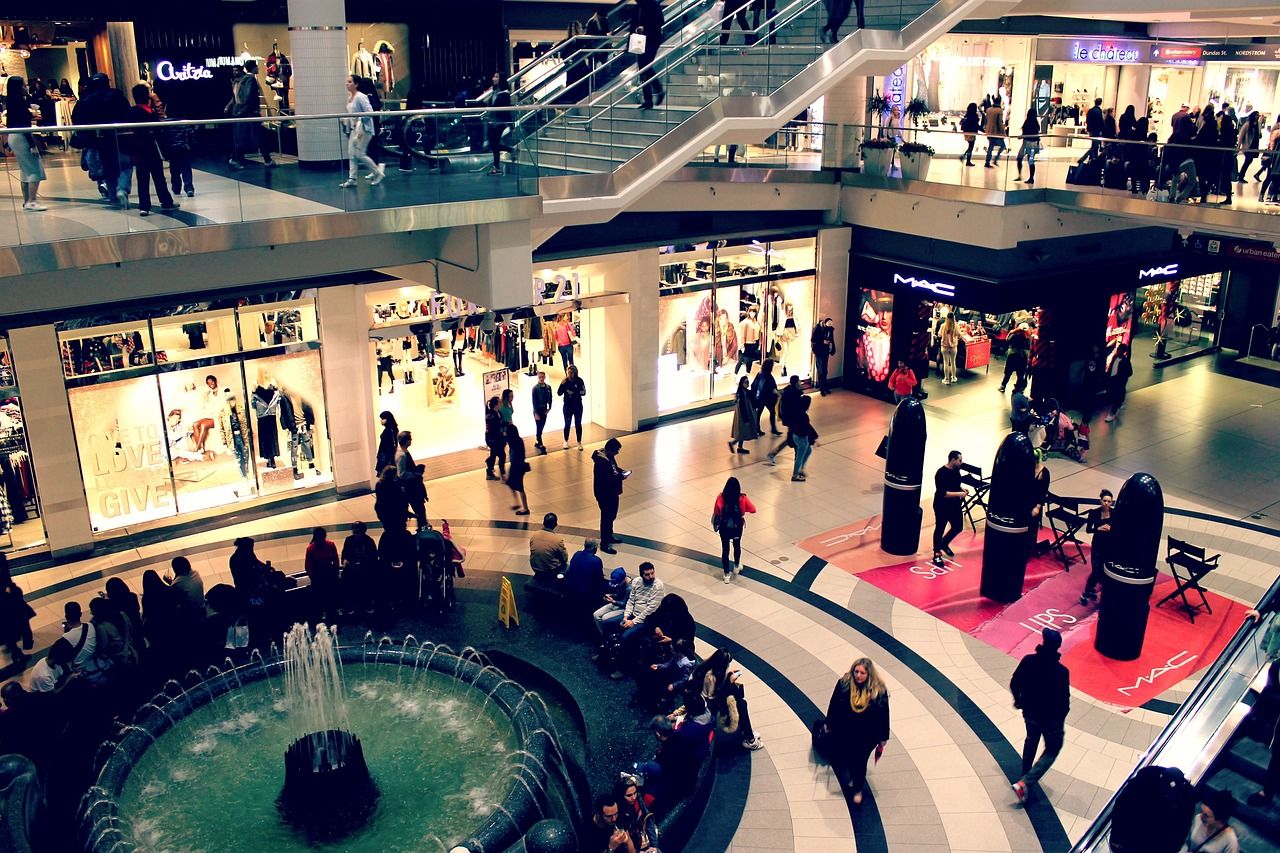
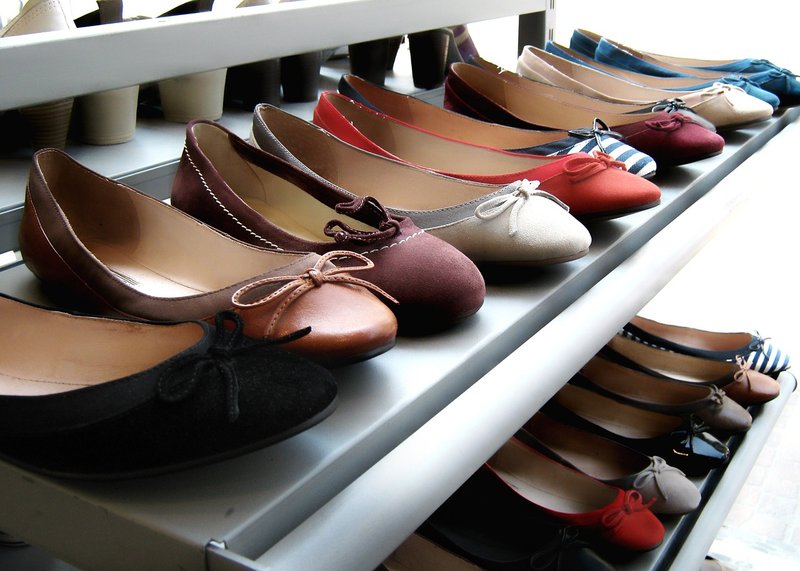
Representative image: StockSnap / Pixabay
Fashion and apparel took 31% of retail space leased in India's top seven cities in January-September 2026, JLL says; 24 global brands opened first stores.
Retail leasing India 2026: what happened
Fashion and apparel brands took 31% of all retail space leased in India's top seven cities between January and September 2026, more than any other kind of shop, according to a report from property consultant JLL released in mid-November 2026. Gross retail leasing in those cities reached 9.36 million sq ft, up 5.6% from 8.86 million sq ft a year earlier and the highest for any nine-month period in four years. JLL also counted 24 international brands that opened their first store in India during the period. A separate count by consultant CBRE, which measures leasing differently, puts fashion's share even higher, at 39%.
Retail leasing India 2026: key facts
- Total leasing (JLL): 9.36 million sq ft in January to September 2026 across the top seven cities, up 5.6% year on year.
- Category shares (JLL): fashion and apparel 31%, food and beverage 18%, entertainment 15%.
- New entrants: 24 international brands opened their first Indian store, already 83% of the number for the whole of 2025.
- Foreign share: international retailers' share of leasing rose from 15.9% to 20.8%; domestic retailers took 79.2%.
- Cities: Delhi NCR about 26%, Mumbai 25% and Bengaluru 21%, together about 72% of gross leasing.
- Headwind: new mall supply fell 41.6% year on year.
- CBRE's count: about 5.8 million sq ft absorbed, up about 19%, with fashion and apparel at 39% and domestic retailers at 73%.
Retail leasing India 2026: why it matters
When a clothing brand signs a lease, it is betting on years of sales from that location, so leasing is one of the clearest signals of where the fashion business expects shoppers to be. A 31% share means that nearly one square foot in every three taken by retailers this year went to a clothing, footwear or accessories brand. That is ahead of restaurants and cafes, which have grown fast in malls, and well ahead of cinemas and entertainment.
The figures arrive at an odd moment for the industry. Shops reported a modest festive season, and the clothing trade body CMAI said the average retailer grew only 4-5%. Leasing data looks further ahead than one season's sales. Brands are signing for space they expect to fill over the next several years, especially in the big metros, where Delhi NCR, Mumbai and Bengaluru together account for almost three-quarters of the total.
The arrival of 24 international brands in nine months is the other story. Foreign labels are not only entering India but taking a growing share of space, up from about one in six square feet to about one in five. For Indian designers and home-grown labels, that means more competition for the best mall frontage, while the fall in new mall supply means fewer good spaces to go round. For shoppers, it means more global names in Indian malls, often first in the largest cities.
The two consultants measure differently. JLL counts gross leasing in seven cities, while CBRE counts absorption, so their totals and shares are not directly comparable. Both, however, put fashion and apparel at the top.
Peepals calculation: fashion's 31% share of 9.36 million sq ft is about 2.9 million sq ft leased by clothing and accessories brands in nine months (9.36 × 0.31 ≈ 2.90). And if 24 new international entrants equal 83% of 2025's total, last year's full-year count was about 29 (24 ÷ 0.83 ≈ 28.9). Our calculation from the reported figures.
| Measure (Jan-Sep 2026) | JLL | CBRE |
|---|---|---|
| Total leasing | 9.36 million sq ft (gross, 7 cities) | about 5.8 million sq ft (absorption) |
| Growth on a year earlier | 5.6% | about 19% |
| Fashion and apparel share | 31% | 39% |
| Domestic retailers' share | 79.2% | 73% |
Retail leasing India 2026: impact
Short-term: Fashion brands will keep competing hard for prime mall and high-street space in Delhi NCR, Mumbai and Bengaluru, while new mall supply is falling.
Long-term: A rising foreign share of retail space points to more international fashion labels in Indian malls, raising the bar for home-grown brands on location, price and store experience.
Who is affected: Indian fashion labels and designers looking for stores, international brands entering India, mall owners and landlords, shop staff hired for new outlets, and shoppers in the big metros.
What to watch next: the consultants' full-year 2026 retail figures, which will show whether the nine-month pace held through the festive and wedding season.
Retail leasing India 2026: key takeaway
Watch where fashion brands sign their next leases, because the space they take now shows which cities and malls the clothing business expects to grow in over the next few years.
Retail leasing India 2026: questions and answers
Which category leases the most retail space in India?
Fashion and apparel led retail leasing in the top seven cities in January to September 2026, with a 31% share by JLL's count and 39% by CBRE's.
How many international brands opened in India in 2026?
JLL counted 24 international brands opening their first Indian store between January and September 2026, already 83% of the total for all of 2025.
Why do JLL and CBRE give different numbers?
JLL measures gross leasing across seven cities while CBRE measures absorption, so their totals (9.36 million against about 5.8 million sq ft) and shares are not directly comparable.
Which cities lead retail leasing?
By JLL's figures, Delhi NCR had about 26% of gross leasing, Mumbai 25% and Bengaluru 21%, together about 72%.
Disclaimer: Prepared by the Peepals newsroom from publicly available sources with AI assistance. Information is accurate to the best of our knowledge at the time of publication and may change. Images may be representative. Not professional advice. Report an error via our contact page.
By Simran Kaur, Fashion WriterCovers Fashion and more for Peepals Shakti. All stories by Simran Kaur
Irregular sleep schedule linked to depression, anxiety in 23,000-person UCSF study
Sonia Gandhi memoir Belonging sells over 2 lakh copies in under a week
Your week ahead, every Sunday. Free.
Exam and result dates, IPOs opening, scheme deadlines, government holidays and the RBI decision for the next 7 days, plus the week's top stories. One email a week, unsubscribe in one click.
Simran Kaur is a pen name of the Peepals Global Editorial Team, which researches, fact-checks and publishes every story. The portrait is an illustration.
Responsible for this story: the Peepals Global Editorial Team, led by editor Prashant Sonar. How we report