
India ranks 11th in Commonwealth youth AI readiness index
 By Pooja MehraIndustry Trends Analyst, Peepals Tech
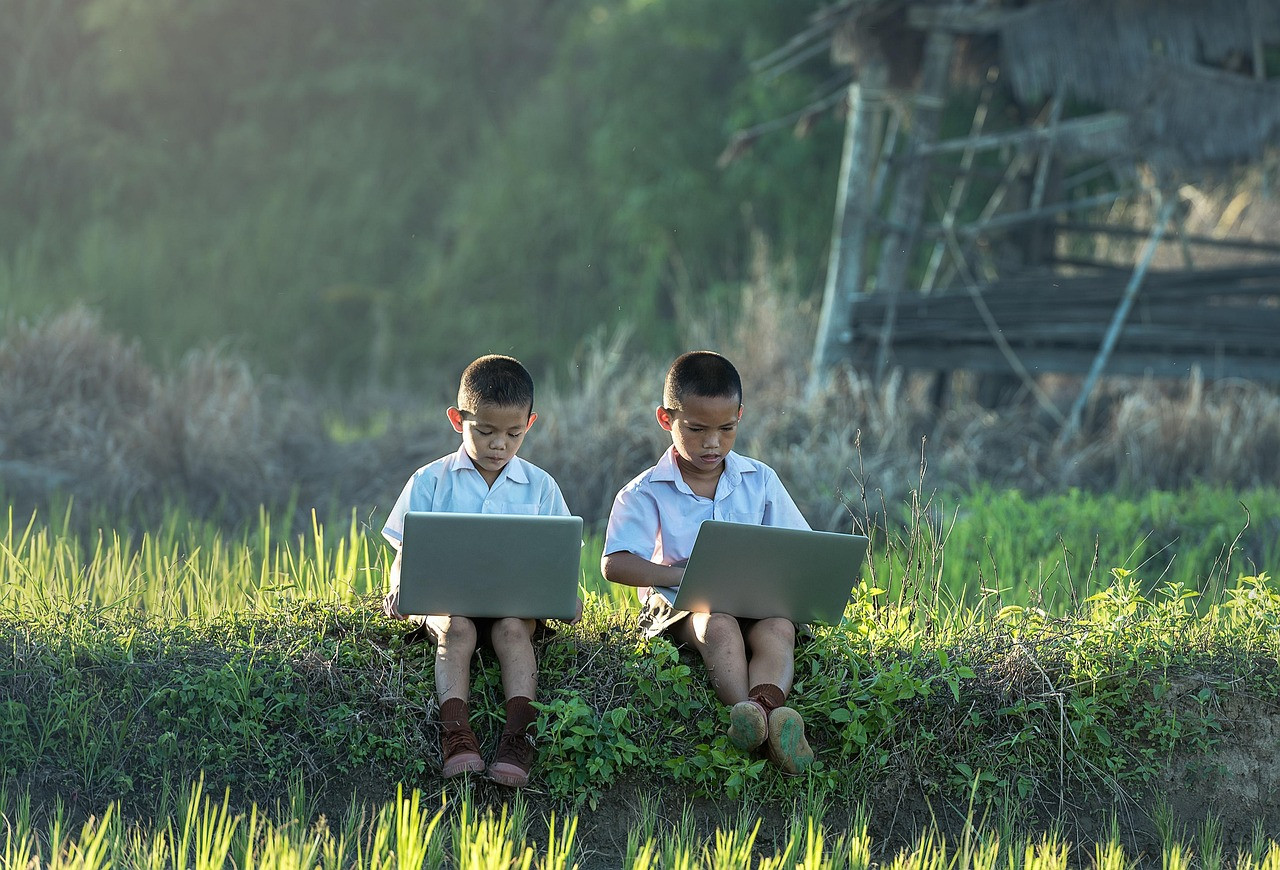
Representative image: sasint / Pixabay
India ranked 11th of 56 in the Commonwealth Youth AI Readiness Index launched on 5 November 2026, scoring 60.6 against a benchmark of 53.
What Happened
India ranks 11th of 56 countries in the first Commonwealth Youth AI Readiness Index, known as the Ayre Index, which measures how well young people aged 15 to 29 are placed to benefit from artificial intelligence. India scored 60.6 out of 100, above the study's readiness benchmark of 53. The index was launched on Thursday, 5 November 2026 at the Commonwealth Heads of Government Meeting in Antigua and Barbuda by the Ayre Think Tank. Singapore came first, followed by Malta, Australia, the United Kingdom and Canada. The study estimates India could gain about $79.1 billion in GDP over ten years if its young people are ready for AI, the second-largest potential gain in the Commonwealth.
Key Facts
- Index: Commonwealth Youth AI Readiness Index 2026 (Ayre Index), by the Ayre Think Tank, launched on 5 November 2026 at the Commonwealth summit in Antigua and Barbuda.
- India: 11th of 56 countries, score 60.6 out of 100.
- Benchmark: 53 out of 100; only 15 countries met or beat it.
- Top five: Singapore, Malta, Australia, the United Kingdom and Canada.
- India's youth: about 382 million people aged 15 to 29, more than half of the Commonwealth's roughly 732 million young people.
- Potential gain: about $79.1 billion in added GDP over ten years for India, the second-largest in the Commonwealth.
- Gaps: only 66.5% of young Indians were found to own a mobile phone, despite wide 4G coverage and cheap data; 88.8% of young respondents expected to use AI for study or work within a year.
Why It Matters
For young Indians, the index puts numbers on a question many students and job-seekers are asking: is the country preparing them for jobs that AI will change? A rank of 11th, above the benchmark, says India's young people are in a better position than most of the Commonwealth. But the gap to the leaders, such as Singapore and Australia, shows how far there is to go.
The phone-ownership figure is the most striking finding. Despite wide 4G coverage and cheap mobile data, about a third of young people in the survey did not own a phone. Without a personal device, it is hard to practise AI tools, take online courses or apply for digital jobs. This links AI readiness to basic access, not only to coding skills.
The high share of young people who expect to use AI soon shows strong demand. For those entering the job market, the practical message is that employers are likely to expect some familiarity with AI tools. Online courses on government platforms such as SWAYAM and college electives are among the ways students can start building those skills.
The index measures readiness, not actual adoption or economic results, as coverage of the study notes. Its GDP estimate is a projection of what could happen if young people are well prepared; it is not a forecast that the gain will occur.
Peepals calculation: India's score of 60.6 is 7.6 points above the benchmark of 53, or about 14% higher (7.6 / 53 ≈ 0.143). India's 382 million young people make up about 52% of the Commonwealth's 732 million (382 / 732 ≈ 0.522). The projected $79.1 billion over ten years averages about $7.9 billion a year. If 66.5% own a phone, about 33.5% do not, which on 382 million young people would be roughly 128 million (382 × 0.335 ≈ 128). Our calculation from the reported figures.
| Rank | Country |
|---|---|
| 1 | Singapore |
| 2 | Malta |
| 3 | Australia |
| 4 | United Kingdom |
| 5 | Canada |
| 11 | India (score 60.6) |
Impact
Short-term: The ranking gives policymakers, colleges and skilling bodies a benchmark to compare India with other countries on youth AI readiness.
Long-term: Closing the device gap and widening AI skills training could help India turn its large young population into the economic gain the study projects.
Who is affected: Indian students and young job-seekers, especially those without their own phones, colleges and skilling programmes, employers hiring entry-level staff, and policymakers working on digital inclusion.
Key Takeaway
India ranks 11th of 56 in the Commonwealth Youth AI Readiness Index launched on 5 November 2026, scoring 60.6 against a benchmark of 53, but only 66.5% of young Indians own a phone.
Questions and Answers
Where does India rank in the Commonwealth Youth AI Readiness Index?
India ranks 11th of 56 Commonwealth countries, with a score of 60.6 out of 100, in the index launched on 5 November 2026. The readiness benchmark is 53.
Which country tops the Commonwealth Youth AI Readiness Index?
Singapore is first, followed by Malta, Australia, the United Kingdom and Canada.
How much could AI readiness add to India's economy?
The study estimates about $79.1 billion in added GDP over ten years for India, the second-largest potential gain among Commonwealth countries. It is a projection, not a forecast.
What is the biggest gap the index found for young Indians?
Device access. Only 66.5% of young Indians were found to own a mobile phone, despite wide 4G coverage and cheap data, which limits their ability to use AI tools and online courses.
Disclaimer: Prepared by the Peepals newsroom from publicly available sources with AI assistance. Information is accurate to the best of our knowledge at the time of publication and may change. Images may be representative. Not professional advice. Report an error via our contact page.
By Pooja Mehra, Industry Trends AnalystCovers Industry News & Trends and more for Peepals Tech. All stories by Pooja Mehra
Sony MDR-3R wired headphones revive 1979 Walkman design with USB-C
Airbnb AI travel agent to roll out in first half of 2027
Get the day's stories in your inbox
Peepals Weekly: the week decoded, free. One email a week, unsubscribe in one click.
Pooja Mehra is a pen name of the Peepals Global Editorial Team, which researches, fact-checks and publishes every story. The portrait is an illustration.