
GCC tech hiring dips 3.5%, but AI and cybersecurity demand rises: Quess
 By Anika SharmaAI & Innovations Editor, Peepals Tech

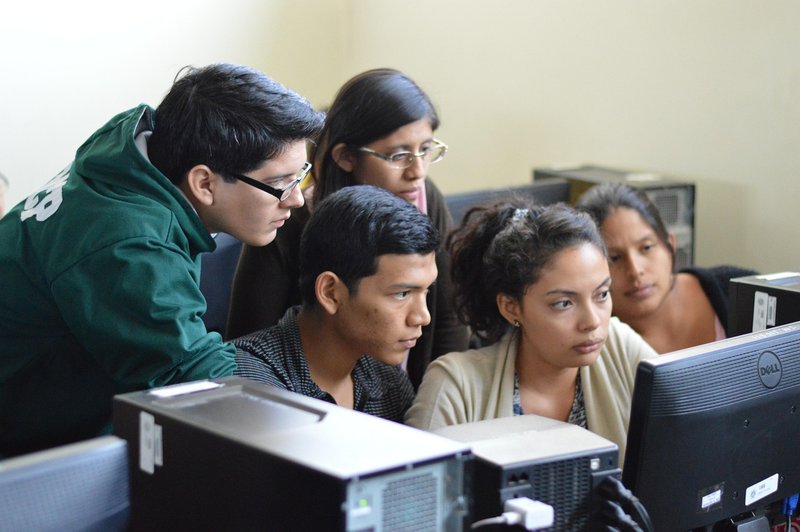
Representative image: ArtDreams92 / Pixabay
GCC tech hiring fell 3.5% in July-September 2026, but AI, data and cybersecurity rose to 30.3% of demand, Quess Corp's report released on 5 November says.
What Happened
GCC tech hiring in India slipped 3.5% between the April-June and July-September quarters of 2026, but demand for AI, data and cybersecurity skills kept rising, according to the India GCC Tech Talent Landscape report for the second quarter of FY27, released by staffing firm Quess Corp on Thursday, 5 November 2026. Global capability centres (GCCs) are offices that multinational companies set up in India to run technology, engineering and business work for their global operations. AI, data and cybersecurity roles made up 30.3% of their tech hiring demand in July-September, up from 25.8% in the previous quarter.
Key Facts
- Report: India GCC Tech Talent Landscape, Q2 FY27 (July to September 2026), by Quess Corp, released Thursday, 5 November 2026.
- Overall GCC tech hiring demand: down about 3.5% from the previous quarter.
- AI, data and cybersecurity: 30.3% of tech hiring demand, up from 25.8%.
- AI, data and analytics: share up from 16.7% to 19.7%; demand up about 14% quarter on quarter.
- Cybersecurity and risk management: share up from 9.1% to 10.6%; demand up about 12%.
- Talent gaps: Quess estimates a shortfall of 38-42% in AI, data and analytics and 30-35% in cybersecurity and risk management.
- Cities: Bengaluru led with 22.6% of demand; Hyderabad fell about 10% and Mumbai about 9%; Coimbatore grew about 30%, helping Tier-2 cities grow about 13%.
- GCC base: an estimated 2,250 to 2,400 active centres in India, up 5-6% from the previous quarter.
Why It Matters
With Quess projecting India's GCC workforce at 2.7 million to 2.8 million by 2030, a change in what these centres hire for is a signal for anyone planning a tech career. The report's main message is that the centres are hiring more selectively: fewer roles overall, but more of them in specialist areas. Demand fell in some industries, with telecom and networks down about 24%, manufacturing and industrial about 9% and banking, financial services and insurance (BFSI) about 8% from the previous quarter.
The gaps Quess estimates are large. A 38-42% gap in AI, data and analytics means that, by the firm's estimate, the supply of suitably skilled people falls short of demand by roughly four in ten. In cybersecurity and risk management, the gap is put at 30-35%. Cybersecurity here means protecting systems and data from attacks; risk management covers spotting and reducing threats to the business.
The report suggests ways companies can close those gaps by moving existing staff into nearby roles: data scientists into model operations (the work of running and monitoring AI models once they are in use), data engineers into applied AI, and cybersecurity analysts into cloud security. For students and early-career workers, the same paths show which skills sit next to each other and can be built on.
The city figures point beyond the usual hubs. Bengaluru still has the largest share, but Coimbatore's roughly 30% growth in a single quarter, and about 13% growth across Tier-2 cities, suggest that GCC jobs are spreading to smaller cities while Hyderabad and Mumbai saw declines.
Peepals calculation: The two specialist groups together gained 4.5 percentage points of share (AI and data up 3.0 points, from 16.7% to 19.7%; cybersecurity up 1.5 points, from 9.1% to 10.6%; 3.0 + 1.5 = 4.5, matching the rise from 25.8% to 30.3%). The figures are consistent: AI and data demand growing 14% while all hiring fell 3.5% lifts its share from 16.7% to about 19.7% (16.7 × 1.14 ÷ 0.965 ≈ 19.7). Our calculation from the reported figures.
| Skill area | Share, Apr-Jun | Share, Jul-Sep | Quess's talent gap |
|---|---|---|---|
| AI, data and analytics | 16.7% | 19.7% | 38-42% |
| Cybersecurity and risk | 9.1% | 10.6% | 30-35% |
| Both together | 25.8% | 30.3% | - |
Impact
Short-term: Candidates with AI, data, analytics and security skills face stronger demand from GCCs even as overall hiring dips, while those in telecom, manufacturing and BFSI tech roles may see fewer openings.
Long-term: If the gaps Quess describes persist, GCCs are likely to rely more on retraining their own staff, and smaller cities such as Coimbatore could take a larger share of new centres and jobs.
Who is affected: Engineering and computer science students, early-career IT workers, data and security professionals, training institutes, and cities competing for GCC investment.
Key Takeaway
India's GCCs hired 3.5% less tech talent in July-September 2026, but AI, data and cybersecurity rose to 30.3% of their demand, with skill gaps of up to 42%, Quess Corp's report says.
Questions and Answers
What does the Quess GCC tech hiring report for Q2 FY27 say?
Released on 5 November 2026, it says GCC tech hiring demand in India fell about 3.5% from the previous quarter in July-September 2026, while AI, data and cybersecurity rose to 30.3% of demand from 25.8%.
Which tech skills are most in demand at GCCs?
AI, data and analytics (19.7% of tech hiring demand, up about 14% in the quarter) and cybersecurity and risk management (10.6%, up about 12%). Quess estimates talent gaps of 38-42% and 30-35% in these areas.
Which cities are hiring most for GCC tech roles?
Bengaluru had the largest share at 22.6%. Coimbatore grew about 30% in the quarter, helping Tier-2 cities grow about 13%, while Hyderabad fell about 10% and Mumbai about 9%.
How can tech workers move into AI or security roles, according to the report?
The report points to nearby moves: data scientists into model operations, data engineers into applied AI, and cybersecurity analysts into cloud security.
Disclaimer: Prepared by the Peepals newsroom from publicly available sources with AI assistance. Information is accurate to the best of our knowledge at the time of publication and may change. Images may be representative. Not professional advice. Report an error via our contact page.
By Anika Sharma, AI & Innovations EditorCovers AI & Innovation and more for Peepals Tech. All stories by Anika Sharma
Elder Scrolls VI Sentinel confirmed by Bethesda; no release date yet
Dropbox to buy Tigris Data for $350 million, launches DBX Agent Cloud
Get the day's stories in your inbox
Peepals Weekly: the week decoded, free. One email a week, unsubscribe in one click.
Anika Sharma is a pen name of the Peepals Global Editorial Team, which researches, fact-checks and publishes every story. The portrait is an illustration.