
Fiserv cuts 3,000 roles since June, doubles savings goal to $1 billion
 By Anika SharmaAI & Innovations Editor, Peepals Tech

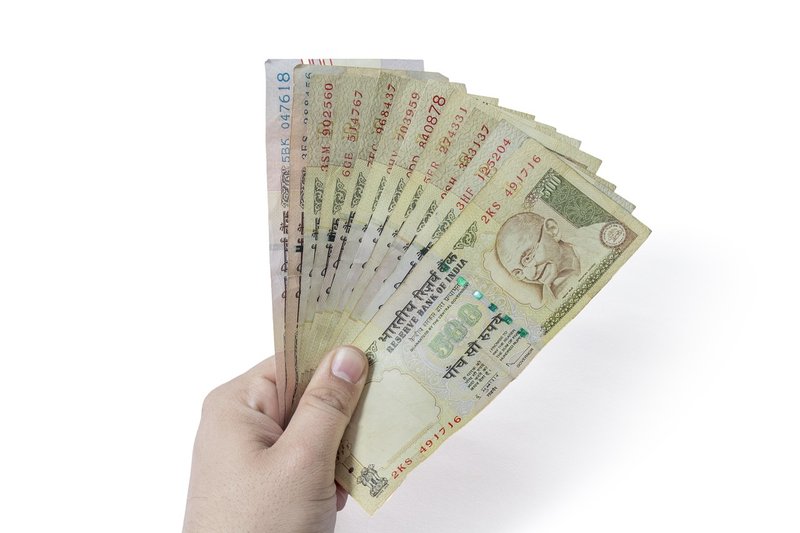
Representative image: Mariakray / Pixabay
Fiserv said on 3 November 2026 it has cut about 3,000 employee and contractor roles since June and raised its Project Elevate savings target to $1 billion.
What Happened
Fiserv, the US company that runs payment and core-banking software for banks and merchants, said on Tuesday, 3 November 2026, that it has cut about 3,000 employee and contractor roles since June under its new chief executive, Takis Georgakopoulos. The company disclosed the reductions as it reported its results for the July-September quarter, and it doubled the savings target of its cost programme, called Project Elevate, to $1 billion from $500 million. It also said it would stop offering more than a dozen smaller products that it does not consider core to its business.
Key Facts
- About 3,000 employee and contractor roles have gone since June 2026; Fiserv has not said how many of them were employees and how many were contractors.
- Senior management was reduced by more than 10%, according to the company's comments on its results.
- Project Elevate's savings target rose to $1 billion from $500 million; activist investor Jana Partners had pushed for $1.25 billion.
- Fiserv plans to exit more than a dozen smaller, non-core products.
- Third-quarter GAAP revenue was $5.20 billion, down 1% from a year earlier, and organic revenue was flat.
- The company booked a non-cash goodwill impairment charge of $6.45 billion, leaving a GAAP loss of $11.17 per share.
- Adjusted operating margin fell to 31.2% from 37.0% a year earlier; the company's long-term target is 37%.
Why It Matters
Fiserv is one of the largest technology suppliers to the financial industry. Its software processes card payments for shops, runs the account systems of many small and mid-sized banks and credit unions, and powers point-of-sale devices used by merchants. When a company of this size trims its workforce, the effect reaches software engineers, operations staff, product managers and the contractors who work alongside them. For people building a fintech career, it shows established payment companies cutting management layers and narrowing their product lines.
The cuts are part of a turnaround effort, and the company has been under pressure from Jana Partners, an activist investor, to lower costs faster. The quarter's numbers show why. Adjusted revenue was $4.85 billion and adjusted earnings per share were $1.75, slightly above the $1.72 analysts had expected, but the merchant business, which handles payments for shops, shrank 2% on an organic basis, while the business that serves banks grew 2%. On the results call, Mr Georgakopoulos said the company was "past the Q2 revenue trough", meaning he believes revenue hit its low point in the April-June quarter. Investors welcomed the plan, and the shares rose sharply in trading on 3 November.
Dropping products matters for jobs too: each one needs its own engineers, support staff and sales teams. Fiserv has not said which products will go or when, and it has not said whether any of the 3,000 roles were in its offices outside the United States. The company's own India page lists delivery centres in Bengaluru, Chennai, Gurugram, Noida and Pune, so Indian technology workers in the fintech sector will watch for any further detail.
Peepals calculation: The new savings goal is double the old one ($1 billion against $500 million, an increase of $500 million), but it is still 20% below what Jana Partners asked for ($1.0 billion ÷ $1.25 billion = 0.80). The adjusted operating margin of 31.2% is 5.8 percentage points below last year's 37.0% (37.0 − 31.2 = 5.8), and the same gap separates it from the long-term target. Adjusted earnings beat the analysts' figure by 3 cents, about 1.7% ($0.03 ÷ $1.72 ≈ 0.017). Our calculation from the reported figures.
| Measure | Q3 2026 | Comparison |
|---|---|---|
| GAAP revenue | $5.20 billion | Down 1% on Q3 2025 |
| Adjusted earnings per share | $1.75 | Analysts expected $1.72 |
| Adjusted operating margin | 31.2% | 37.0% in Q3 2025 |
| Project Elevate savings target | $1 billion | Earlier target $500 million |
Impact
Short-term: Staff and contractors at Fiserv face continued uncertainty while the company decides which products to close and how to reach the larger savings goal.
Long-term: A leaner Fiserv with fewer products and fewer management layers may hire for a narrower set of skills, mainly in the bank-software and payment platforms it keeps. The company says most of the extra savings will come after 2027, so changes to its workforce may run for several years.
Who is affected: Fiserv employees and contractors, especially managers and teams working on smaller products; banks, credit unions and merchants that use those products; and job seekers in payments and banking technology.
What to watch next: The $500 million share buyback planned for the fourth quarter of 2026, and any list of the products Fiserv will exit.
Key Takeaway
Fiserv has removed about 3,000 employee and contractor roles since June and doubled its savings target to $1 billion, signalling more restructuring at one of the biggest technology suppliers to banks and merchants.
Questions and Answers
How many jobs has Fiserv cut in 2026?
Fiserv said on 3 November 2026 that about 3,000 employee and contractor roles had been cut since June, including more than 10% of senior management. It did not give a split between employees and contractors.
What is Fiserv's Project Elevate?
Project Elevate is Fiserv's cost and transformation programme. On 3 November 2026 the company raised its expected savings from it to $1 billion from $500 million, and said most of the extra savings would come after 2027.
Are Fiserv's India offices affected by the job cuts?
Fiserv has not said where the roles were cut. The company runs delivery centres in Bengaluru, Chennai, Gurugram, Noida and Pune, but it has given no India-specific figure.
Why did Fiserv report a loss when its adjusted earnings beat forecasts?
The company took a non-cash goodwill impairment charge of $6.45 billion, an accounting write-down of past acquisitions, which produced a GAAP loss of $11.17 per share. Excluding such items, adjusted earnings were $1.75 per share, above the $1.72 analysts expected.
Disclaimer: Prepared by the Peepals newsroom from publicly available sources with AI assistance. Information is accurate to the best of our knowledge at the time of publication and may change. Images may be representative. Not professional advice. Report an error via our contact page.
By Anika Sharma, AI & Innovations EditorCovers AI & Innovation and more for Peepals Tech. All stories by Anika Sharma
Get the day's stories in your inbox
Peepals Weekly: the week decoded, free. One email a week, unsubscribe in one click.
Anika Sharma is a pen name of the Peepals Global Editorial Team, which researches, fact-checks and publishes every story. The portrait is an illustration.