
Firefly raises $20 million to turn existing cameras into AI safety systems
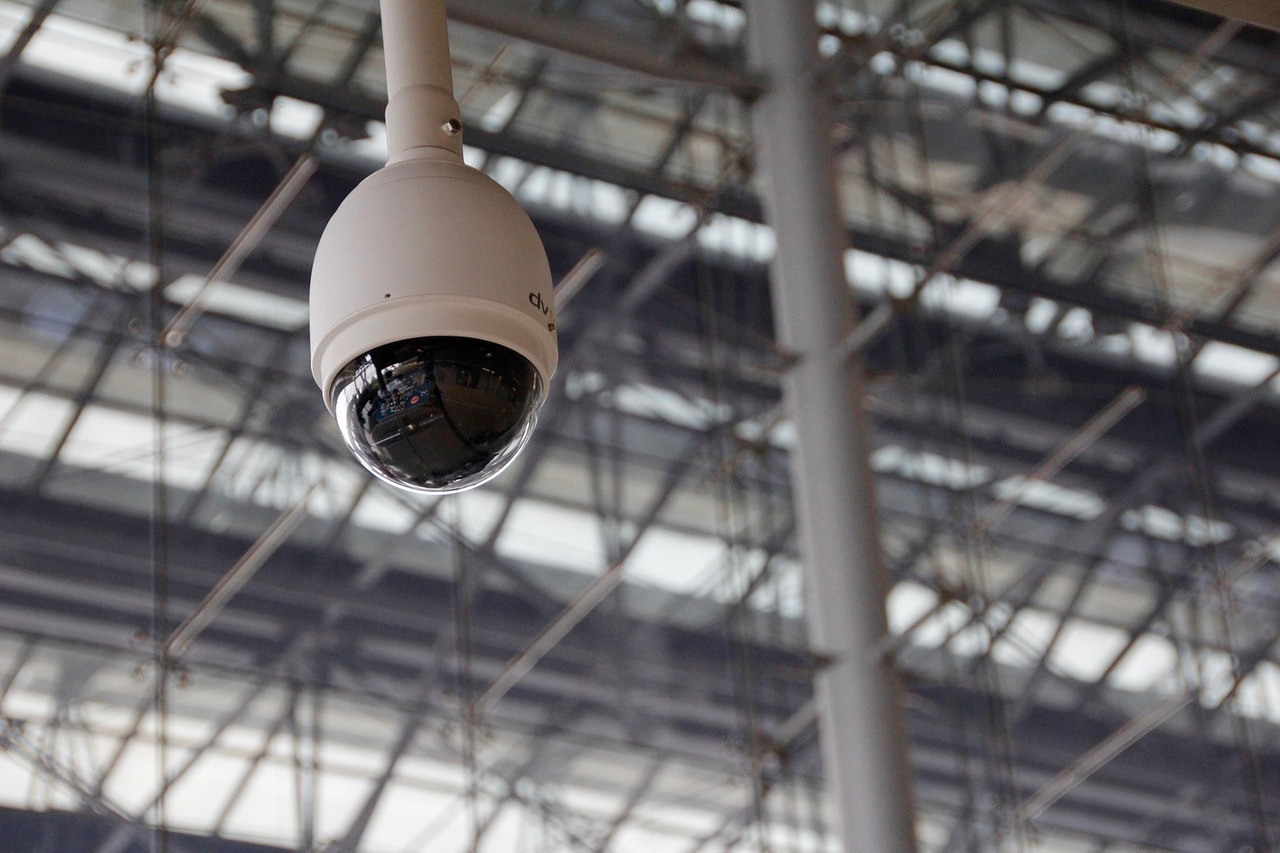
Representative image: Peggy_Marco / Pixabay
Physical-AI safety start-up Firefly came out of stealth on 20 October 2026 with a $20 million Series A led by Definition Capital.
What Happened
Firefly, a New York-based start-up that builds artificial intelligence (AI) software for physical safety, came out of stealth on Tuesday, 20 October 2026 and said it has raised $20 million in a Series A funding round. "Coming out of stealth" means a company publicly announces itself and its product after working quietly. The round was led by Definition Capital, with BoxGroup and Susa Ventures taking part.
Key Facts
- Firefly announced its $20 million Series A on 20 October 2026, the same day it came out of stealth.
- Definition Capital led the round; BoxGroup and Susa Ventures also invested. The company said this is BoxGroup's third investment in Firefly, and that Susa Ventures led its earlier seed round.
- The company was founded in 2024 by James Batt Buckley and Alex Penn.
- Its main product, the Ember Safety Management platform, connects to cameras, radios and sensors that a customer already owns.
- Firefly also makes its own hardware: wearable panic buttons, AI beacons that the company says locate activated panic buttons and detect gunshots, and a network gateway that keeps devices connected.
- Its current deployment is at Front Range Community College in Colorado, described as the state's largest community college, across three campuses.
- The company said it will use the money for new products, hiring in engineering, machine learning and sales, and expansion into education, healthcare and enterprise customers.
- One report on the deal said Firefly could look to raise a Series B round in 12 to 18 months.
Why It Matters
Most large buildings, such as college campuses, hospitals and offices, already have security cameras, staff radios and alarm sensors. These systems usually work separately. A guard may watch dozens of camera feeds, a staff member may call for help on a radio, and an alarm may ring in another room, with no single place where all of this comes together. Firefly's pitch is to add a software layer on top of this existing equipment rather than ask customers to replace it.
According to the company, Ember pulls information from the connected devices and sensors to build a picture of what is happening, so that it can detect an incident, give staff the right context and then organise the response. In plain words, it is meant to work as a control room assistant: noticing that something is wrong, telling the right people, and helping them act together. These are the company's descriptions of its product; independent figures on how accurately the system detects incidents were not part of the announcement.
The funding also shows where investors are putting money in AI. Much of the attention in 2026 has gone to chatbots and AI agents that work on screens. Firefly belongs to a smaller group often called "physical AI": software that reads signals from the real world, such as video, sound and location data, and helps people respond to events in buildings and public spaces. The company's founders come from this field. According to the company, Buckley previously scaled the alarms business at Verkada, a building security company, and Penn, an MIT graduate, spent nearly a decade at Apple leading engineering teams.
For Indian readers, the model is relevant because Indian campuses, hospitals and offices also run large numbers of cameras and radios that rarely talk to each other. Any similar system used in India would process video and other information about identifiable people, which falls under the Digital Personal Data Protection Act, 2023. Founders building safety technology in India would need to plan for consent, data storage and access rules from the start.
| Firefly at a glance | Detail |
|---|---|
| Announcement date | 20 October 2026 |
| Round | Series A, $20 million |
| Lead investor | Definition Capital |
| Other investors | BoxGroup, Susa Ventures |
| Founded | 2024, New York |
Impact
Short-term: Firefly will use the new money to hire engineers, machine-learning specialists and sales staff and to build new products, the company said. Its first public customer, Front Range Community College, uses the system to help safety staff monitor and coordinate responses across three campuses.
Long-term: The company plans to expand from education into healthcare and enterprise customers. If it can show that its software works on top of existing cameras and radios, it may offer buildings a cheaper route to modern safety systems than replacing equipment. Whether it raises a Series B in 12 to 18 months, as one report suggested, will depend on how well it grows in these sectors.
Who is affected: Safety and security teams at colleges, hospitals and large workplaces, who may get one screen for alerts from many devices; students, patients and staff, whose safety and whose personal data are both involved when cameras and sensors are analysed by AI; and other safety technology start-ups, which now face a new funded competitor.
Key Takeaway
Firefly launched publicly on 20 October 2026 with $20 million led by Definition Capital to sell AI software that links a building's existing cameras, radios and sensors into one incident-response system.
Questions and Answers
What is Firefly and how much money did it raise?
Firefly is a New York-based start-up, founded in 2024, that makes AI software and hardware for physical safety. On 20 October 2026 it announced a $20 million Series A funding round led by Definition Capital, with BoxGroup and Susa Ventures also investing.
What does the Ember Safety Management platform do?
According to the company, Ember connects to cameras, radios and sensors that a customer already has, uses the information from them to detect an incident, gives staff context about what is happening and helps organise the response. Firefly also sells wearable panic buttons, AI beacons and a network gateway.
Who is already using Firefly's system?
The company named Front Range Community College in Colorado, described as the state's largest community college, as its current deployment. The college uses it to help safety staff monitor and coordinate responses across three campuses.
What will Firefly do with the new funding?
The company said it will spend the money on new products, on hiring in engineering, machine learning and sales, and on expanding into education, healthcare and enterprise customers.
Disclaimer: Prepared by the Peepals newsroom from publicly available sources with AI assistance. Information is accurate to the best of our knowledge at the time of publication and may change. Images may be representative. Not professional advice. Report an error via our contact page.
Sourced and fact-checked by the Peepals Global Editorial Team
Reported, fact-checked and published by the Peepals Global Editorial Team.