
Blackwall raises $100 million at $2.2 billion value to filter bots

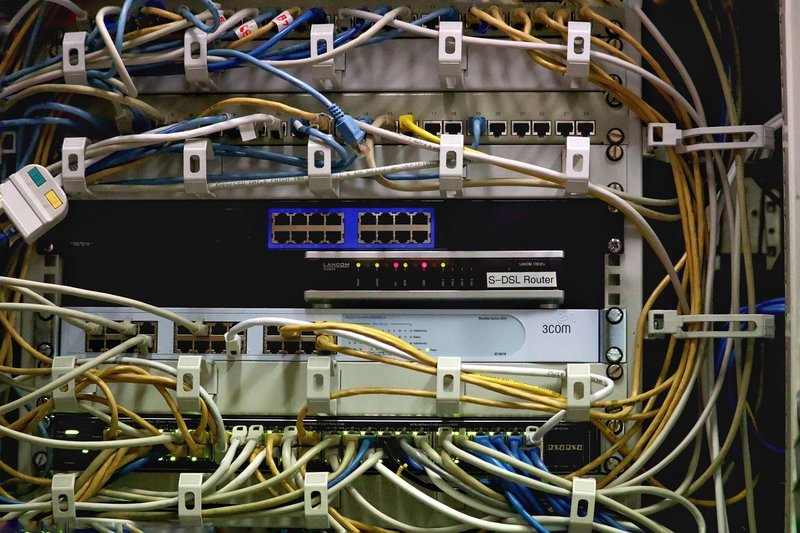
Representative image: webandi / Pixabay
Web-security start-up Blackwall raised a $100 million Series C at a $2.2 billion valuation on October 20, 2026 to help hosting firms separate real visitors from bad bots.
What Happened
Blackwall, a web-traffic security start-up, announced on Tuesday, October 20, 2026 that it has raised $100 million in a Series C funding round at a valuation of $2.2 billion, making it a unicorn, the name for a privately held start-up valued at $1 billion or more. The round was led by the investment firm AVP, with Dawn Capital, MMC Ventures and Tera Ventures also investing. Blackwall sells tools that let website hosting companies tell real visitors and legitimate AI agents apart from harmful automated traffic.
Key Facts
- Amount: $100 million, Series C (a later-stage round, usually raised once a company already has paying customers and is scaling).
- Valuation: $2.2 billion; executive chairman Roi Carthy said the round raised the company's value about four times since its previous fundraise in 2025.
- Lead investor: AVP; other investors named were Dawn Capital, MMC Ventures and Tera Ventures.
- What it sells: security and bot-management tools for hosting providers, which the providers can offer under their own brand and share the revenue with Blackwall.
- The problem it targets: a fast-growing share of website visits now comes from bots, including AI agents, and sites need to block the harmful ones without shutting out real users or useful agents.
- Use of funds: expansion across North America, Europe and Asia, according to reports on the round.
Why It Matters
A bot is a piece of software that visits websites automatically. Some bots are useful, such as search-engine crawlers that index pages, or the new AI agents that read a page or book a ticket for a person. Others are harmful: they scrape content without permission, try stolen passwords, buy up limited stock or flood a site until it slows down. As AI agents spread, website owners face a harder sorting job, because a blunt block on all bots now risks cutting off legitimate services that customers want to use.
Blackwall's model is different from the best-known names in this field. Large web-security firms such as Cloudflare and Akamai mostly sell directly to the owners of websites. Blackwall instead sells through hosting providers, the companies that rent out the servers on which websites run. Its tools are white-label, meaning the hosting company can sell them under its own brand, and the two share the revenue. For a small business that buys a website package from a host, this can mean bot protection arrives as part of the package rather than as a separate product it must find and set up.
The size of the round shows how investors view this problem. A four-fold rise in valuation in about a year is unusual outside the companies building AI models themselves, and it suggests investors expect the volume of automated traffic, and the need to manage it, to keep growing. These are the company's and investors' expectations, not established facts about the market.
For Indian readers, the story is about a model rather than a market entry: Blackwall has not announced plans specific to India. But Indian small businesses also run their websites and online shops on hosted services, and a model in which bot protection is bundled by the host, rather than bought separately, is one that Indian hosting firms and security start-ups could study.
Impact
Short-term: Blackwall will use the new money to expand into North America, Europe and Asia, which means more hosting providers are likely to be offered its tools in the coming months.
Long-term: If bot traffic keeps rising with the spread of AI agents, the way websites decide which automated visitors to let in will become a basic part of running a site, and the companies that control that gate could gain influence over how AI agents reach online services.
Who is affected: Hosting providers and their small-business customers, website owners dealing with scraping and fake traffic, developers of AI agents that need access to websites, and competing web-security firms.
Key Takeaway
Blackwall's $100 million Series C at a $2.2 billion valuation, announced on October 20, 2026, is a bet that separating good bots from bad ones will become a core service that web hosts sell to every website.
Questions and Answers
How much did Blackwall raise and at what valuation?
Blackwall raised $100 million in a Series C round at a $2.2 billion valuation, announced on October 20, 2026. AVP led the round, with Dawn Capital, MMC Ventures and Tera Ventures taking part.
What does Blackwall do?
It makes web-traffic security tools that help websites separate real visitors and legitimate AI agents from harmful bots. It sells them through hosting providers, which can offer the tools under their own brand.
How is Blackwall different from Cloudflare or Akamai?
Cloudflare and Akamai mainly sell directly to website owners, while Blackwall sells white-label tools to hosting companies, which bundle them for their customers and share the revenue.
Why is bot traffic a growing problem?
More and more website visits come from automated software, including AI agents. Some are useful and some scrape data or attack sites, so websites need tools that can tell them apart without blocking real users.
Disclaimer: Prepared by the Peepals newsroom from publicly available sources with AI assistance. Information is accurate to the best of our knowledge at the time of publication and may change. Images may be representative. Not professional advice. Report an error via our contact page.
Sourced and fact-checked by the Peepals Global Editorial Team
Reported, fact-checked and published by the Peepals Global Editorial Team.