
Greenland parliament approves US-Denmark security deal; Danish vote next
 By Rohan SalujaGeopolitics Editor, Peepals Global
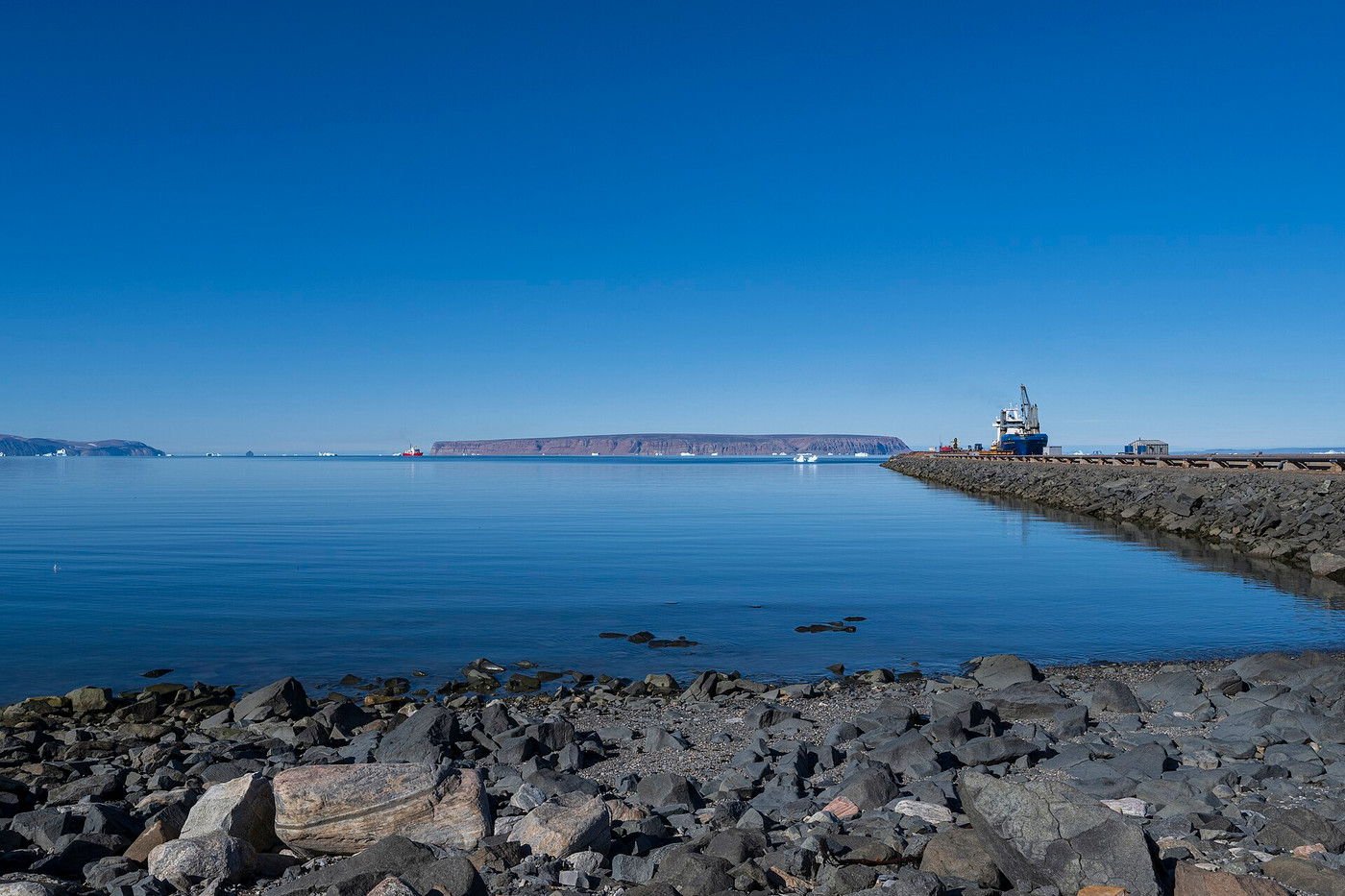
File photo: U.S. Space Force photo by Paul Honnick (Public domain), via Wikimedia Commons
Greenland's parliament voted 16-0 with seven abstentions on 3 November 2026 to approve a security deal allowing new US defence areas; Denmark votes on 19 November.
What Happened
Greenland's parliament, the Inatsisartut, on Tuesday, 3 November 2026 approved a security agreement with the United States and Denmark that lets Washington expand its military presence on the Arctic island. The vote was 16 in favour, none against and seven abstentions. The agreement updates a defence pact from 1951. It allows the United States to modernise and widen its activities at Pituffik Space Base in the north-west and opens two new defence areas, at Narsarsuaq in the south and Mestersvig in the east. Greenland's approval is not the last step: the agreement takes effect only after Denmark's parliament has also approved it, and that vote is scheduled for 19 November.
Key Facts
- Vote in Greenland's parliament: 16 for, 0 against, 7 abstentions, on 3 November 2026.
- The agreement was signed on 22 September 2026 in New York by the United States, Denmark and Greenland's Prime Minister Jens-Frederik Nielsen.
- It amends and adds to the 1951 defence agreement between the United States and Denmark.
- It permits new US defence areas at Narsarsuaq (south) and Mestersvig (east), subject to agreement on practical and technical details.
- It allows the United States to modernise and expand activities at Pituffik Space Base.
- It restates Danish sovereignty over Greenland and Greenlanders' right to self-determination.
- Denmark's parliament is due to hold a first debate on 12 November and to vote on 19 November.
Why It Matters
Greenland is the world's largest island and lies between North America and Europe. It is a self-governing territory within the Kingdom of Denmark: Greenland runs most of its own affairs, while Denmark handles foreign and defence policy. The United States has kept a base in the far north since the early Cold War; today it is called Pituffik Space Base and is used for missile warning and space surveillance.
The new deal comes after months of tension. US President Donald Trump has repeatedly said the United States should control Greenland, which alarmed both Copenhagen and Nuuk. The agreement is the route the three governments chose instead: more American military activity on the island, but with Denmark's sovereignty and Greenlanders' right to decide their own future written into the text. That balance explains why a small parliament with strong views on independence approved it without a single vote against, while several members still chose to abstain.
The two new areas carry weight of their own. Narsarsuaq lies in the south of the island and Mestersvig in the east, far from Pituffik in the north-west. Access in both places would give American forces a wider footprint across Greenland rather than a single base in the far north. For other powers with interests in the Arctic, the deal signals that the region's military map is changing, and it binds Greenland more closely to NATO's planning.
Peepals timeline: The United States and Denmark signed their original defence agreement covering Greenland in 1951. On 22 September 2026, the United States, Denmark and Greenland signed the updated agreement in New York. Greenland's parliament approved it on 3 November 2026. Denmark's parliament is scheduled to debate it on 12 November and vote on 19 November, after which a diplomatic note will tell the United States that both parliaments have completed their procedures, and the agreement will enter into force.
Peepals calculation: of the 23 members who took part in the vote, 16 voted for the deal, which is about 70% (16 divided by 23); the remaining 30% abstained and none voted against. Our calculation from the reported figures.
Impact
Short-term: The focus moves to Copenhagen, where the Danish parliament must approve the deal before it can take effect. Debate there will test how far Danish parties accept a larger American role on the island.
Long-term: Once in force, the deal is described as permanent and would let the United States set up the two new defence areas, adding to its presence at Pituffik. Practical and technical details for Narsarsuaq and Mestersvig still have to be agreed, so the timing of any construction is not yet known.
Who is affected: Greenland's residents, particularly communities near the new defence areas; the governments in Nuuk, Copenhagen and Washington; NATO allies; and other countries with interests in the Arctic.
What to watch next: The Danish parliament's first debate on 12 November and its vote on 19 November.
Key Takeaway
Greenland has approved a deal that lets the United States expand its military presence on the island while keeping Danish sovereignty, and the decision now rests with Denmark's parliament.
Questions and Answers
What did Greenland's parliament approve on 3 November 2026?
It approved a security agreement with the United States and Denmark, by 16 votes to none with seven abstentions. The deal updates a 1951 pact and allows new US defence areas at Narsarsuaq and Mestersvig and more activity at Pituffik Space Base.
Is the Greenland security deal already in force?
No. Denmark's parliament must also approve it. Its vote is scheduled for 19 November, and the deal takes effect after both parliaments' procedures are complete.
Does the Greenland security deal give the United States control of Greenland?
No. The agreement restates Danish sovereignty over Greenland and Greenlanders' right to self-determination, while allowing a larger American military presence.
Where are the new US defence areas in Greenland?
At Narsarsuaq in the south and Mestersvig in the east, in addition to Pituffik Space Base in the north-west.
Disclaimer: Prepared by the Peepals newsroom from publicly available sources with AI assistance. Information is accurate to the best of our knowledge at the time of publication and may change. Images may be representative. Not professional advice. Report an error via our contact page.
By Rohan Saluja, Geopolitics EditorCovers Geopolitics and more for Peepals Global. All stories by Rohan Saluja
Get the day's stories in your inbox
Peepals Weekly: the week decoded, free. One email a week, unsubscribe in one click.
Rohan Saluja is a pen name of the Peepals Global Editorial Team, which researches, fact-checks and publishes every story. The portrait is an illustration.