
Helsing Clarity: German firm launches AI rival to Palantir's Maven
 By Anika SharmaAI & Innovations Editor, Peepals Tech

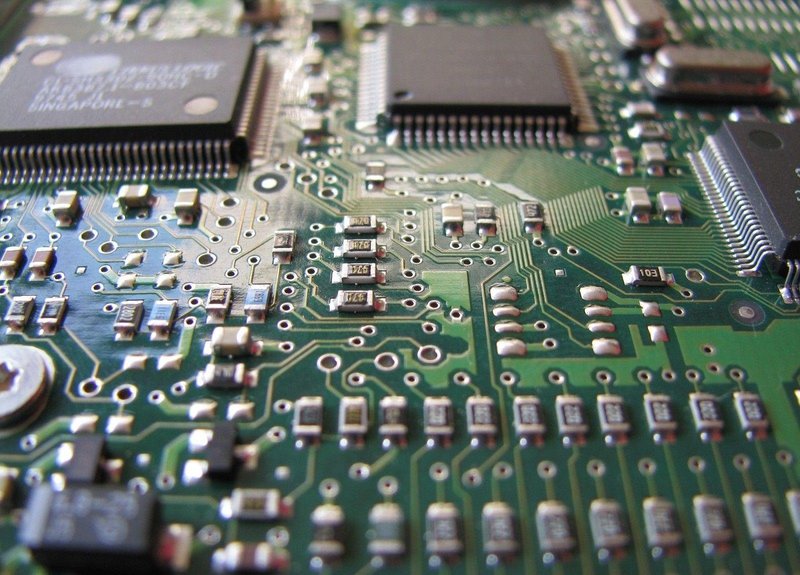
Representative image: cliff1126 / Pixabay
Helsing launched Clarity, an agent-based military AI platform pitched as a European rival to Palantir's Maven, in Berlin on 11 November 2026.
What Happened
Helsing, a defence technology company based in Munich, Germany, launched an artificial intelligence platform called Clarity at an event in Berlin on Wednesday, 11 November 2026. The company presents Clarity as a European alternative to Palantir's Maven Smart System, the American military AI software. According to Helsing, Clarity uses large numbers of AI agents to sort through military data and prepare target recommendations for weapons systems, with human operators in command of every decision.
Key Facts
- Clarity was unveiled in Berlin on 11 November 2026 by Helsing, whose co-founder and co-chief executive Gundbert Scherf spoke at the launch.
- The company calls Clarity an "agentic intelligence platform": hundreds of AI agents work in parallel on a shared military model of the world and a common pool of evidence, Helsing said.
- Inputs include sensor feeds, open sources, written reports and the computer systems a military unit already uses, according to the company.
- Helsing says the software and its AI models were developed in Europe and run on infrastructure owned by the customer, not by Helsing.
- The company did not say whether any armed force already uses Clarity or when it will enter service; Scherf told journalists that operational readiness for uses such as deep strikes was months away.
- Germany's armed forces have said they will not buy Palantir's Maven for now and plan to deploy their own AI-based targeting system from 2027, with full use expected in 2028.
Why It Matters
An AI agent is a piece of software that is given a task and works through it on its own, step by step, rather than only answering a single question. Helsing's claim is that hundreds of such agents can read a battlefield's flood of information at once: drone and radar feeds, intercepted messages, reports from units, public sources. A shared "ontology", which here means an agreed map of what every object and relationship in the data stands for, lets the agents' findings be combined. The output is a list of possible targets for human officers to review. All of these capabilities are the company's own description; none has been tested in public.
The launch is part of a wider argument in Europe about dependence on American technology. Palantir, a US company, has become one of the best-known suppliers of military data software. Several European governments have become wary of relying on software they do not control for decisions as sensitive as targeting. Helsing's answer is "sovereignty": software built in Europe that runs on the buyer's own computers. "A capability this critical must be sovereign," Scherf said in the company's launch statement.
Helsing has said that every decision taken with Clarity will be recorded with the name of the person who made it, and reports of the launch describe the system as nominating a target only when independent sources agree, its confidence is high and an operator confirms. Those safeguards matter because the use of AI in choosing targets is one of the most debated questions in modern warfare, with critics warning about errors and unclear responsibility.
Peepals timeline: Germany's armed forces have said they will not, for now, buy Palantir's Maven and plan their own national AI targeting system from 2027, with full implementation expected in 2028. On 11 November 2026 Helsing launched Clarity in Berlin as a European alternative, while saying operational readiness for some uses was still months away. Whether Germany's 2027 system uses Clarity or other suppliers has not been decided publicly.
| Item | Detail |
|---|---|
| Product | Clarity, an agent-based military intelligence platform |
| Maker | Helsing, Munich, Germany |
| Launched | Wednesday, 11 November 2026, in Berlin |
| Positioned against | Palantir's Maven Smart System |
| In service | Not disclosed |
Impact
Short-term: Clarity gives European defence ministries a home-grown product to compare with Palantir's software when they make purchasing decisions, though the company has not named any customer.
Long-term: If European armies buy their targeting software from European firms, the market for military AI could split along regional lines, much as other defence equipment already has. That would shape which companies grow, where data is kept and which rules govern the use of AI in combat.
Who is affected: European armed forces and defence ministries, Palantir and other suppliers of military software, Helsing's investors, and the people who campaign for rules on AI in warfare.
What to watch next: Whether Germany's national AI targeting system, planned for deployment from 2027, adopts Clarity or relies on other suppliers.
Key Takeaway
Helsing launched Clarity in Berlin on 11 November 2026 as a European, customer-controlled rival to Palantir's Maven, but has not said who uses it or when it will be ready for service.
Questions and Answers
What is Helsing Clarity?
Clarity is a military AI platform launched by German company Helsing on 11 November 2026. The company says it uses hundreds of AI agents to analyse sensor feeds, reports and other data and to prepare target recommendations that humans must confirm.
How is Clarity different from Palantir's Maven?
Helsing says Clarity was built in Europe and runs on infrastructure owned by the customer, which it presents as a sovereign European alternative to the US company Palantir's Maven Smart System.
Is any army using Helsing's Clarity?
Helsing has not said whether any armed force uses Clarity or when it will enter service; its co-chief executive said operational readiness for some uses was months away.
Does Clarity choose targets on its own?
According to Helsing, no. The company says humans stay in command, that a target is nominated only with operator confirmation, and that every decision is recorded with the name of the person who made it.
Disclaimer: Prepared by the Peepals newsroom from publicly available sources with AI assistance. Information is accurate to the best of our knowledge at the time of publication and may change. Images may be representative. Not professional advice. Report an error via our contact page.
By Anika Sharma, AI & Innovations EditorCovers AI & Innovation and more for Peepals Tech. All stories by Anika Sharma
Electric vehicle batteries: Ford Mach-E data shows 92% health after five years
OpenAI Upwork study: AI freelance projects get 52% bigger budgets, not rates
Get the day's stories in your inbox
Peepals Weekly: the week decoded, free. One email a week, unsubscribe in one click.
Anika Sharma is a pen name of the Peepals Global Editorial Team, which researches, fact-checks and publishes every story. The portrait is an illustration.