
Indigenous GPU in 24 months: MeitY sets target under ISM 2.0
 By Anika SharmaAI & Innovations Editor, Peepals Tech
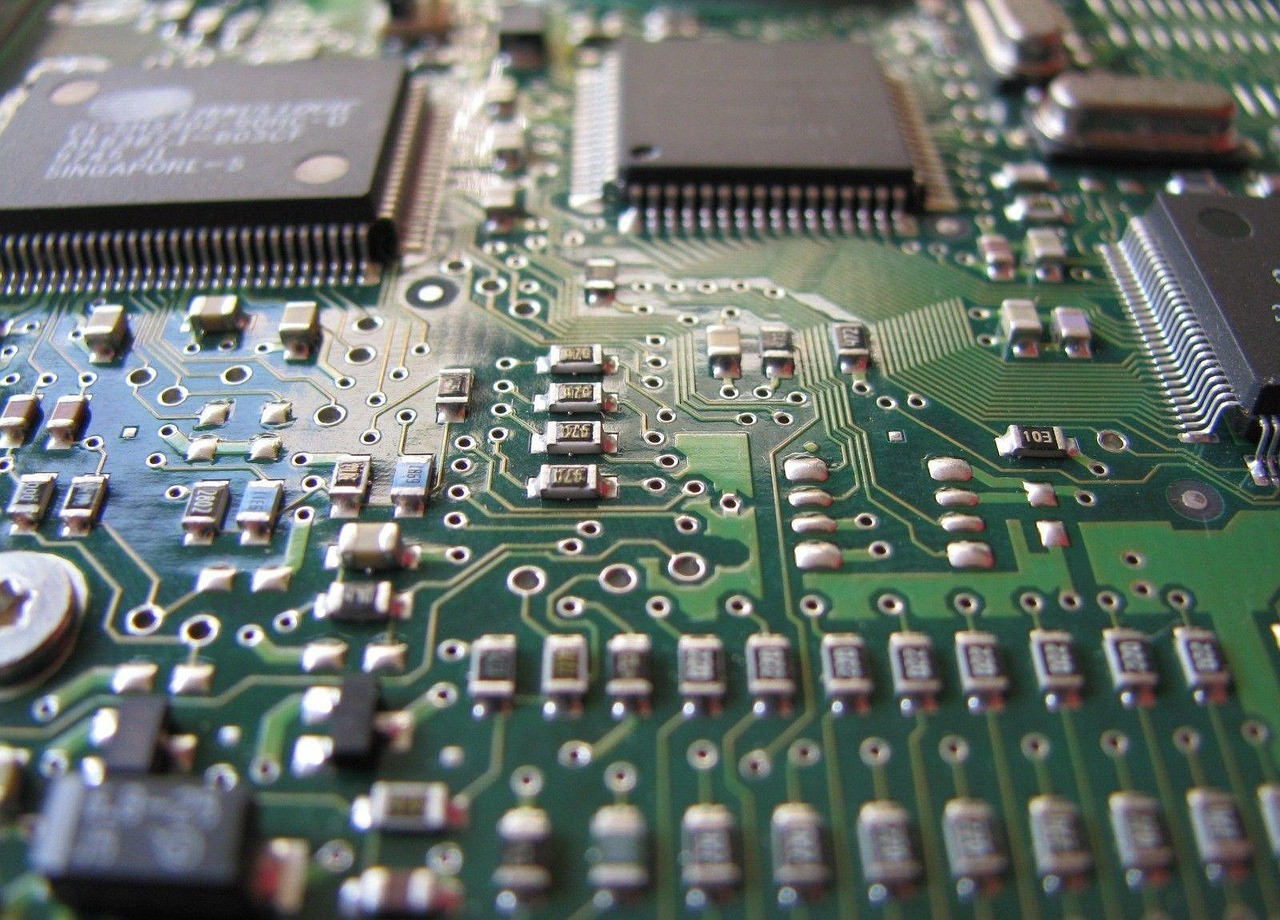
Representative image: Republica / Pixabay
MeitY Secretary S. Krishnan has set a target of about 24 months for an Indian-made AI chip under the Rs 1.27 lakh crore India Semiconductor Mission 2.0.
What Happened
India aims to develop its own graphics processing unit (GPU), the kind of chip that trains and runs artificial intelligence models, in about 24 months, S. Krishnan, Secretary of the Ministry of Electronics and Information Technology (MeitY), said in an interview published on Wednesday, 4 November 2026. He placed the goal under India Semiconductor Mission 2.0, the second phase of the country's chip programme, which the Union Cabinet approved in July 2026 with an outlay of about Rs 1.27 lakh crore. Krishnan also spoke of plans to take two Indian-designed processors, SHAKTI and VEGA, to commercial use. He framed the GPU timeline as a development target rather than a launch date, and did not name a manufacturer, a chip design or its specifications.
Key Facts
- Target: an indigenous GPU in roughly 24 months, under India Semiconductor Mission 2.0 (ISM 2.0).
- The statement was made by MeitY Secretary S. Krishnan in an interview published on 4 November 2026.
- ISM 2.0 was approved by the Union Cabinet in July 2026 with an outlay of about Rs 1,27,500 crore, and the programme's life was extended to 12 years.
- The updated mission explicitly covers AI-specific accelerators, along with chip design, fabrication, packaging, equipment, materials, research and talent.
- No manufacturer, chip supplier, architecture or process node has been named for the GPU, and no separate GPU budget has been disclosed.
- SHAKTI, developed at IIT Madras, and VEGA, developed at the Centre for Development of Advanced Computing (C-DAC), are processors based on the open RISC-V design, and the government wants to take them to commercial use.
- In the same interview, Krishnan described the AI boom as a possible repeat of the Y2K opportunity that helped build India's IT services industry, according to reports of the interview.
Why It Matters
A GPU is a chip that can do thousands of small calculations at the same time. That makes it the workhorse of modern AI: the large language models behind chatbots are trained on clusters of thousands of GPUs. Today almost all of these chips are designed by a handful of foreign companies, and India, like most countries, buys them. A domestic GPU would reduce that dependence, at least for some uses.
The target should be read carefully. Krishnan called it a development goal, not a commercial launch, and the details that decide whether a chip can compete are still missing: who will design it, which factory will make it, at what process size, and how fast it will be. The cabinet note on ISM 2.0, as reported, says India's chip manufacturing base currently covers older process sizes of 28 to 110 nanometres, while the leading AI chips are made on far more advanced processes abroad. A first Indian GPU is therefore more likely to serve government, defence and specialised workloads than to replace the chips used to train the largest models.
The processor plans matter for the same reason. RISC-V is an open set of rules, called an instruction set architecture, that tells a processor how to understand software. Because it is open, anyone can design a chip on it without paying licence fees to a foreign company. SHAKTI and VEGA show that Indian institutions can already design such processors; the harder task is to get them into products that people buy.
Krishnan's Y2K comparison points to the economic stake: around the year 2000, Indian IT firms grew quickly by fixing the Y2K software problem for clients worldwide, and that work became the base of a large export industry.
Peepals calculation: Spread evenly across its 12 years, the ISM 2.0 outlay of about Rs 1,27,500 crore works out to roughly Rs 10,600 crore a year (1,27,500 / 12 ≈ 10,625). That sum covers fabs, packaging, design and talent together, so any GPU project will draw on a share of it. Our calculation from the reported figures.
| Item | Detail |
|---|---|
| GPU target | About 24 months, development goal |
| Programme | India Semiconductor Mission 2.0 |
| ISM 2.0 outlay | About Rs 1,27,500 crore over 12 years |
| Indian processors | SHAKTI (IIT Madras), VEGA (C-DAC), both RISC-V |
Impact
Short-term: Chip design start-ups and research institutions will look for details on how GPU projects will be chosen and funded under ISM 2.0. Until a design partner and a factory are named, the 24-month target remains a stated aim.
Long-term: If an Indian GPU and the RISC-V processors reach production, government and strategic users could rely less on imported chips, and India could build a chip design industry around AI. If the timeline slips, the country will keep depending on imports and rented computing power for AI work.
Who is affected: Indian AI start-ups and researchers who need computing power, chip design engineers and students, semiconductor companies seeking incentives, and government departments that buy computing hardware.
Key Takeaway
MeitY Secretary S. Krishnan has set a target of about 24 months for an Indian-made GPU under the Rs 1.27 lakh crore India Semiconductor Mission 2.0, but no maker, design or budget for the chip has yet been named.
Questions and Answers
When will India have its own GPU?
MeitY Secretary S. Krishnan has set a target of about 24 months from November 2026. He described it as a development goal, not a commercial launch date.
What is a GPU and why does it matter for AI?
A GPU is a chip that performs many calculations at once. AI models are trained and run on large clusters of GPUs, which India currently imports.
Who will build India's indigenous GPU?
No manufacturer, chip supplier or design has been named. The project is to be pursued under India Semiconductor Mission 2.0.
What are SHAKTI and VEGA?
They are Indian processors based on the open RISC-V design. SHAKTI was developed at IIT Madras and VEGA at C-DAC, and the government wants to take both to commercial use.
Disclaimer: Prepared by the Peepals newsroom from publicly available sources with AI assistance. Information is accurate to the best of our knowledge at the time of publication and may change. Images may be representative. Not professional advice. Report an error via our contact page.
By Anika Sharma, AI & Innovations EditorCovers AI & Innovation and more for Peepals Tech. All stories by Anika Sharma
Moto Signature 27 price: $1,599.99 in US; India launch still unpriced
firmly raises $15 million to link online shops with AI shopping agents
Get the day's stories in your inbox
Peepals Weekly: the week decoded, free. One email a week, unsubscribe in one click.
Anika Sharma is a pen name of the Peepals Global Editorial Team, which researches, fact-checks and publishes every story. The portrait is an illustration.