

Electric vehicle batteries: Ford Mach-E data shows 92% health after five years
 By Pooja MehraIndustry Trends Analyst, Peepals Tech
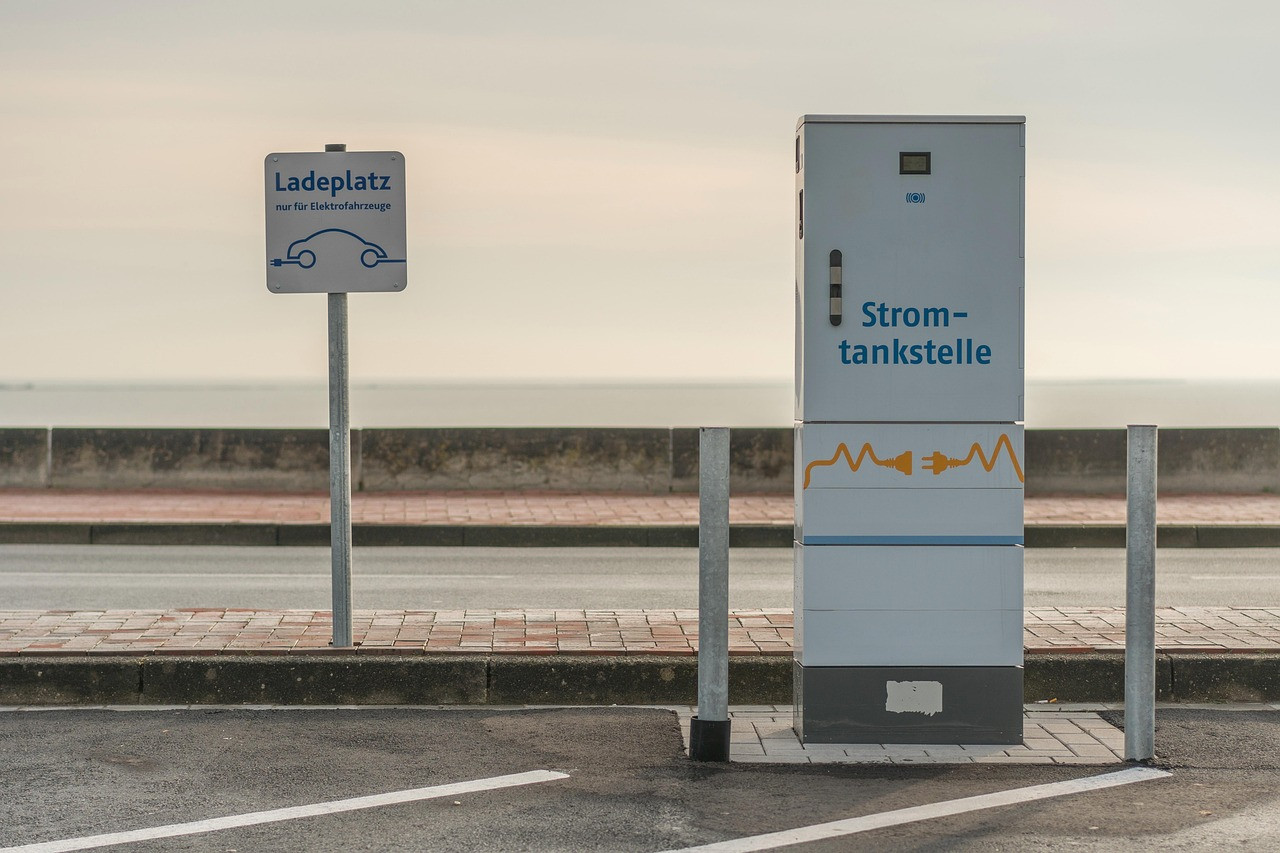
Representative image: AKrebs60 / Pixabay
Ford data on about 36,000 2021 Mustang Mach-Es, reported on 9 November 2026, show 92% average battery health after about five years of use.
What Happened
Ford has published battery data from about 36,000 of its 2021 Mustang Mach-E electric vehicles, showing that the packs kept an average of 92% of their usable capacity after about five years of ownership, reports on Monday, 9 November 2026 said. Among a small group of more than 30 cars that had covered over 200,000 miles, average battery health was 88%. The findings add to a growing body of real-world data suggesting electric vehicle batteries are ageing more slowly than many buyers fear.
Key Facts
- Data: about 36,000 model-year 2021 Mustang Mach-E vehicles in the US and Canada, measured through Ford's aggregated connected-vehicle data.
- Average ownership period: about 5.2 years; usable capacity measured as of August 2026.
- Average battery health: 92% of original usable capacity.
- About 95% of the cars fell between 87% and 97% battery health, according to reports of the data.
- Cars with more than 100,000 miles (over 2,000 vehicles) averaged better than 91%.
- More than 30 cars with over 200,000 miles averaged 88%, a small sample.
- The vehicles use NCM (nickel-cobalt-manganese) battery packs; reports said the dataset covers about 2 billion miles of driving.
Why It Matters
Battery life is one of the biggest worries for people thinking of buying an electric vehicle, new or used. The battery is the most expensive part of the car, and as it ages it holds less energy, which means a shorter driving range. "Battery health" is the share of the original usable capacity a pack still holds: a car at 92% health that once drove 400 km on a full charge would now manage roughly 368 km in the same conditions.
Ford's numbers come from a large fleet of ordinary cars rather than a laboratory test, and they point the same way as an independent study published in September by Aviloo, a battery-testing company, which analysed more than 500,000 battery tests and found most electric cars still held around 90% of their capacity after 150,000 km. Aviloo's own test of a Mach-E showed 92.5% after 150,000 km, in line with Ford's data. These are still a carmaker's figures about its own product, and one model's results do not apply to every battery chemistry or climate.
The data also show that mileage matters less than many assume. Cars with more than 100,000 miles averaged better than 91%, only slightly below the fleet average. For used-car buyers, that suggests checking a battery health report is more useful than judging a car by its odometer alone.
For Indian buyers weighing an electric car, large real-world datasets like this are useful evidence. Similar data from carmakers selling in India, in Indian heat and driving conditions, would help buyers judge how long batteries last here.
Peepals calculation: An average loss of 8 percentage points (100 − 92) over about 5.2 years works out to roughly 1.5 points a year (8 ÷ 5.2 ≈ 1.54). The high-mileage group lost 12 points (100 − 88) over more than 200,000 miles, about 0.6 points for every 10,000 miles. Spread over about 36,000 cars, the roughly 2 billion miles in the dataset come to about 55,600 miles per car (2,000,000,000 ÷ 36,000 ≈ 55,556). Our calculation from the reported figures.
| Group | Cars | Average battery health |
|---|---|---|
| All 2021 Mach-E in dataset | about 36,000 | 92% |
| Over 100,000 miles | over 2,000 | better than 91% |
| Over 200,000 miles | more than 30 | 88% |
Impact
Short-term: Owners and buyers of used 2021 Mach-Es have a clearer picture of how their batteries have held up, which may support resale values.
Long-term: As more carmakers and independent testers publish fleet-wide battery data, buyers can compare models on battery durability, and the fear of a costly battery replacement may weigh less on decisions to buy an electric vehicle.
Who is affected: Electric vehicle owners and buyers, used-car dealers and lenders who value EVs, carmakers competing on battery durability, and policymakers encouraging the switch to electric vehicles.
Key Takeaway
Ford's data on about 36,000 2021 Mustang Mach-Es show an average of 92% battery health after about five years, adding to evidence that electric vehicle batteries age more slowly than many fear.
Questions and Answers
How long do electric vehicle batteries last?
Real-world data suggest they age slowly. Ford reported that about 36,000 2021 Mustang Mach-Es kept 92% of their usable capacity after about five years, and an Aviloo study found most EVs held around 90% after 150,000 km.
What is EV battery health?
It is the share of a battery's original usable capacity that it still holds. At 92% health, a car's range on a full charge is about 92% of what it was when new, in the same conditions.
Does high mileage ruin an EV battery?
Not according to Ford's data: cars with more than 100,000 miles averaged better than 91% battery health, and a small group above 200,000 miles averaged 88%.
How did Ford measure Mach-E battery health?
Ford used aggregated connected-vehicle data from about 36,000 cars in the US and Canada, measuring usable capacity as of August 2026.
Disclaimer: Prepared by the Peepals newsroom from publicly available sources with AI assistance. Information is accurate to the best of our knowledge at the time of publication and may change. Images may be representative. Not professional advice. Report an error via our contact page.
By Pooja Mehra, Industry Trends AnalystCovers Industry News & Trends and more for Peepals Tech. All stories by Pooja Mehra
Fractile raises $720 million for AI inference chips at $7 billion valuation
Helsing Clarity: German firm launches AI rival to Palantir's Maven
Get the day's stories in your inbox
Peepals Weekly: the week decoded, free. One email a week, unsubscribe in one click.
Pooja Mehra is a pen name of the Peepals Global Editorial Team, which researches, fact-checks and publishes every story. The portrait is an illustration.