
HMRC AI chat history: draft UK tax powers could reach chatbot logs
 By Anika SharmaAI & Innovations Editor, Peepals Tech
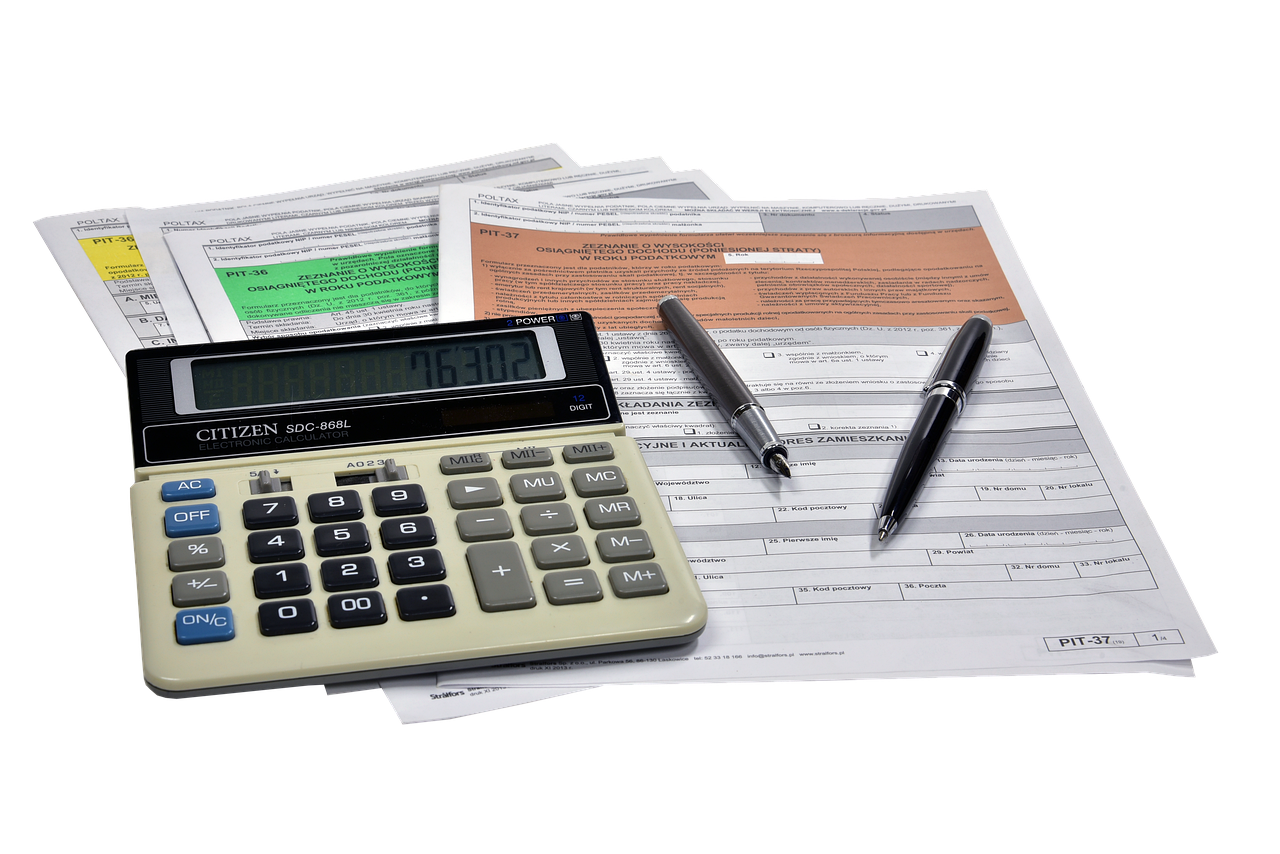
Representative image: lewickistudio / Pixabay
Draft UK Finance Bill changes widen HMRC's information powers to 'any relevant thing', and advisers warn this could reach AI chatbot histories.
What Happened
Britain's tax authority, HM Revenue and Customs (HMRC), may be able to ask taxpayers for their AI chatbot conversations under changes to its information powers drafted for the Finance Bill 2026-27, tax advisers warned this week. The draft replaces the existing reference to "computer records" with the much wider phrase "any relevant thing", and would let HMRC request information from third parties such as AI platforms and software providers, not only from taxpayers. The question became widely discussed in reports from 12 to 14 November 2026, as advisers asked whether prompts and chatbot answers used to work out a tax figure could be demanded in a tax check. The draft itself does not mention artificial intelligence, chatbots or large language models, and the changes are not yet law.
HMRC AI chat history access: key facts
- What: draft changes to HMRC's information powers in the Finance Bill 2026-27, first published in July 2026.
- Key wording: "computer records" would be replaced by "any relevant thing", widening the digital material HMRC's powers reach.
- Third parties: HMRC could ask AI platforms and software providers for relevant information.
- The draft does not name AI or chatbots; the chat-history question comes from advisers reading the wider wording.
- HMRC said the change updates its powers "to reflect how tax information is now stored and processed digitally" and that "We can only request information where we already have a lawful basis to do so."
- The Taxpayers' Alliance called the plan a "deeply intrusive overreach by the taxman".
- Timing: the changes would apply after the Finance Bill receives Royal Assent; reports differ on when, with some expecting March 2027 and others by the end of May 2027.
HMRC AI chat history access: why it matters
Many people now use AI chatbots to understand tax rules, check calculations or draft letters. Those conversations can show what a person knew, what they asked and how they arrived at a figure. In a tax dispute, that record could matter: it might show honest confusion, or it might show that someone knew a rule and chose to ignore it. That is why advisers are asking whether such chats would fall within HMRC's reach.
HMRC's position is that it is modernising old wording, not creating a new power to read private chats. Its existing rules already let it ask for documents relevant to a person's tax affairs, and notices can be challenged when a taxpayer does not hold the information or HMRC cannot show a reasonable need. The new wording, though, is broad, and the ability to go to third parties means a taxpayer may not be the only source. Some advisers' practical advice, as reported, has been that people dealing with complex tax matters should take professional advice rather than relying on a chatbot.
The debate is a sign of how AI is changing record-keeping. Tax authorities write their powers around the records people keep, and records now include conversations with software. Other countries' tax authorities, including India's, may face similar questions as AI tools spread among taxpayers and accountants.
Peepals timeline: HMRC published draft changes to its information powers for the Finance Bill 2026-27 in July 2026, replacing "computer records" with "any relevant thing". Between 12 and 14 November 2026, tax advisers and media reports raised the question of whether AI chat histories would be covered, and HMRC said it could only request information where it already has a lawful basis. As of 12 November, no commencement date had been confirmed; the changes would follow Royal Assent, expected in 2027.
| Item | Current rule | Draft change |
|---|---|---|
| Scope of records | "computer records" | "any relevant thing" |
| Who can be asked | Mainly the taxpayer | Also third parties such as AI platforms |
| In force | Now | After Royal Assent to Finance Bill 2026-27 |
Impact
Short-term: Nothing changes yet for UK taxpayers. The draft must pass through Parliament, where its wording may be debated or amended.
Long-term: If the wording passes unchanged, AI conversations used in preparing tax returns could become part of the record HMRC can request in enquiries. AI companies serving UK users may need processes for responding to HMRC information requests.
Who is affected: UK taxpayers who use AI tools for tax matters, accountants and tax advisers, AI platform providers, and anyone following how governments treat AI chat data.
What to watch next: Parliament's progress on the Finance Bill 2026-27 and the date of Royal Assent.
Key Takeaway
A draft UK rule would widen HMRC's information powers to "any relevant thing", and tax advisers warn that could include AI chatbot histories, though the draft does not mention AI and is not yet law.
Questions and Answers
Can HMRC access my ChatGPT history?
Not under any new power yet. Draft changes in the Finance Bill 2026-27 would widen HMRC's information powers to "any relevant thing", and advisers say that could cover AI chats, but the changes are not law and the draft does not mention AI.
What did HMRC say about AI chat histories?
HMRC said the change updates its powers "to reflect how tax information is now stored and processed digitally" and that "We can only request information where we already have a lawful basis to do so."
When would the HMRC rule change take effect?
After the Finance Bill 2026-27 receives Royal Assent. Reports differ on timing, with some expecting March 2027 and others by the end of May 2027.
Can HMRC ask AI companies for information?
The draft would let HMRC request relevant information from third parties, including AI platforms and software providers, not only from taxpayers.
Disclaimer: Prepared by the Peepals newsroom from publicly available sources with AI assistance. Information is accurate to the best of our knowledge at the time of publication and may change. Images may be representative. Not professional advice. Report an error via our contact page.
By Anika Sharma, AI & Innovations EditorCovers AI & Innovation and more for Peepals Tech. All stories by Anika Sharma
Vaishnaw at Ethereal Machines: India must make its own chipmaking machinery
Zupee layoffs: entire remaining staff let go weeks after AI pivot
Get the day's stories in your inbox
Peepals Weekly: the week decoded, free. One email a week, unsubscribe in one click.
Anika Sharma is a pen name of the Peepals Global Editorial Team, which researches, fact-checks and publishes every story. The portrait is an illustration.
Responsible for this story: the Peepals Global Editorial Team, led by editor Prashant Sonar. How we report