
UK Global Talent visa under review after fake tech, art credentials found
 By Pooja MehraStaff Writer, Peepals Tech

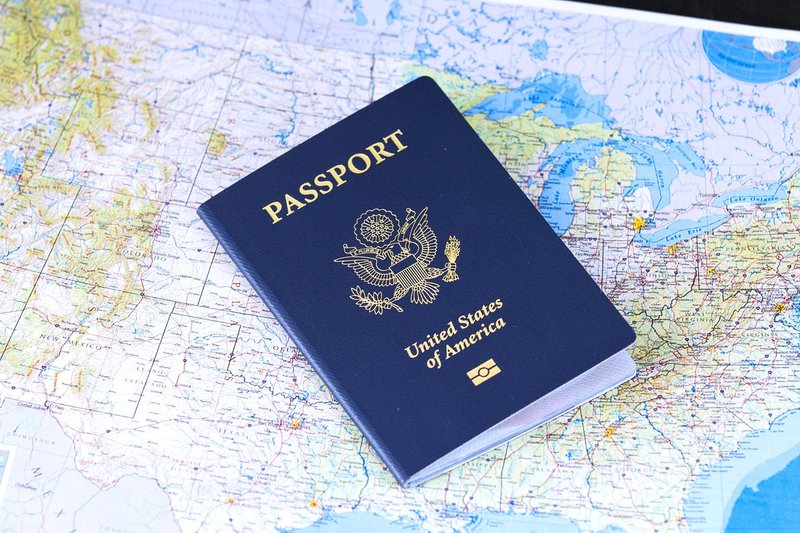
Representative image: jaydeep_ / Pixabay
A BBC probe published on 13 November 2026 found firms selling fake credentials for UK Global Talent visas; the Home Office is investigating and the route is under review.
What Happened
The UK Global Talent visa, one of the routes open to skilled technology workers from India and elsewhere, is under fresh scrutiny after a BBC investigation reported on Friday, 13 November 2026, that consultancy firms were helping migrants pose as artists and tech experts to qualify for it. A reporter posing as a would-be client was told by a consultant at a London firm that no one who had bought its full package, priced at more than £100,000, had ever been refused. The UK Home Office called the findings "extremely serious", said the company was being investigated, and confirmed that the Global Talent route is being reviewed by the Migration Advisory Committee.
UK Global Talent visa: key facts
- The route: the Global Talent visa, whose applicants need their achievements endorsed in fields including arts and culture and digital technology.
- The claim: one consultancy offered a "fully inclusive" package costing more than £100,000, including ready-made artwork produced in China, media coverage and letters of recommendation, according to the investigation.
- The firm: iCareer said the meeting described "was not authorised by iCareer", that the consultant's employment had ended in early October, and that it strongly denied offering any visa services.
- The tech case: a woman from India who applied through the technology side of the route said an adviser from a different firm invented a mentoring award and a speaking engagement for her; her visa was refused.
- Action: the Home Office has begun proceedings to revoke the visas of two Nigerian nationals who applied as fine-art photographers, and says it began investigating Global Talent applications in September 2026.
- Refusals are already high: last year more than 80% of endorsement applications on the digital technology pathway were refused, and almost half on the arts and culture pathway, according to reports on the investigation.
UK Global Talent visa: why it matters
The Global Talent route rests on an applicant's record: awards, press coverage, recommendations and invitations that show standing in a field. Because that evidence decides the outcome, a paid "package" that manufactures a track record can be sold for a very large fee, and it is hard for assessors to spot invented achievements without checking each one.
For genuine applicants, including many Indian technology professionals, the case matters in two ways. First, any tightening that follows the review could make the route harder or slower for everyone, not only for those who cheat. Second, the Indian applicant's experience shows the personal risk of paying an adviser who supplies invented evidence: her application was refused, and in the UK people convicted of immigration fraud face up to 10 years in prison.
The Migration Advisory Committee, which advises the UK government on migration, has published a call for evidence on the Global Talent and Innovator Founder routes. The document lists digital technology among the fields covered, naming areas such as artificial intelligence, cybersecurity and data science. Its findings could shape who qualifies and how claims of achievement are checked.
Peepals timeline: the Home Office says it began investigating Global Talent applications in September 2026. According to iCareer, the consultant who met the undercover reporter left the company in early October. The BBC published its findings on 13 November 2026, and the Home Office then confirmed the Migration Advisory Committee review and its investigation of the firm. Reported refusal rates also put the numbers in context: if more than 80% of digital technology endorsement applications were refused last year, fewer than one in five succeeded, against roughly one in two on the arts and culture pathway. Our calculation from the reported figures.
| Pathway | Endorsement refusals last year (as reported) | Rough share endorsed |
|---|---|---|
| Digital technology | more than 80% | fewer than 1 in 5 |
| Arts and culture | almost half | about 1 in 2 |
Impact
Short-term: the Home Office is investigating the firm and revoking visas in at least two cases, and applicants who used similar advisers may see their files examined more closely.
Long-term: the Migration Advisory Committee review could lead to stricter checks on evidence such as awards, press coverage and speaking invitations, which are often central to a talent-based application.
Who is affected: technology workers, artists and founders planning to apply for the UK Global Talent visa; the endorsing bodies that assess their achievements; visa consultancies; and people already holding the visa whose applications relied on paid advisers.
Key Takeaway
A BBC investigation into firms selling fake credentials has put the UK Global Talent visa under a government review, and genuine tech applicants should expect closer checks of the achievements they claim.
Questions and Answers
What did the BBC find about the UK Global Talent visa?
An undercover reporter was told by a consultant at a London firm that its full package, costing more than £100,000, had never led to a refusal; the firm offered ready-made artwork, media coverage and recommendation letters. The company, iCareer, said the meeting was not authorised and denied offering visa services.
Was an Indian applicant involved?
Yes. A woman from India who applied through the technology side of the route said an adviser from a different firm invented a mentoring award and a speaking engagement for her. Her visa was refused.
What is the UK government doing?
The Home Office called the findings extremely serious, is investigating the company, has begun revoking the visas of two Nigerian applicants, and says the Global Talent route is under review by the Migration Advisory Committee.
How hard is it to get a Global Talent endorsement in digital technology?
Reports on the investigation say more than 80% of endorsement applications on the digital technology pathway were refused last year, so fewer than one in five succeeded.
Disclaimer: Prepared by the Peepals newsroom from publicly available sources with AI assistance. Information is accurate to the best of our knowledge at the time of publication and may change. Images may be representative. Not professional advice. Report an error via our contact page.
By Pooja Mehra, Staff WriterCovers Industry News & Trends and more for Peepals Tech. All stories by Pooja Mehra
ElevenAI: ElevenLabs launches AI meeting notetaker and dictation app
Apple HomeView India price Rs 39,900: smart display on sale now
Get the day's stories in your inbox
Peepals Weekly: the week decoded, free. One email a week, unsubscribe in one click.
Pooja Mehra is a pen name of the Peepals Global Editorial Team, which researches, fact-checks and publishes every story. The portrait is an illustration.
Responsible for this story: the Peepals Global Editorial Team, led by editor Prashant Sonar. How we report