
ISRO clears Gaganyaan crew and service module separation tests before G1 flight
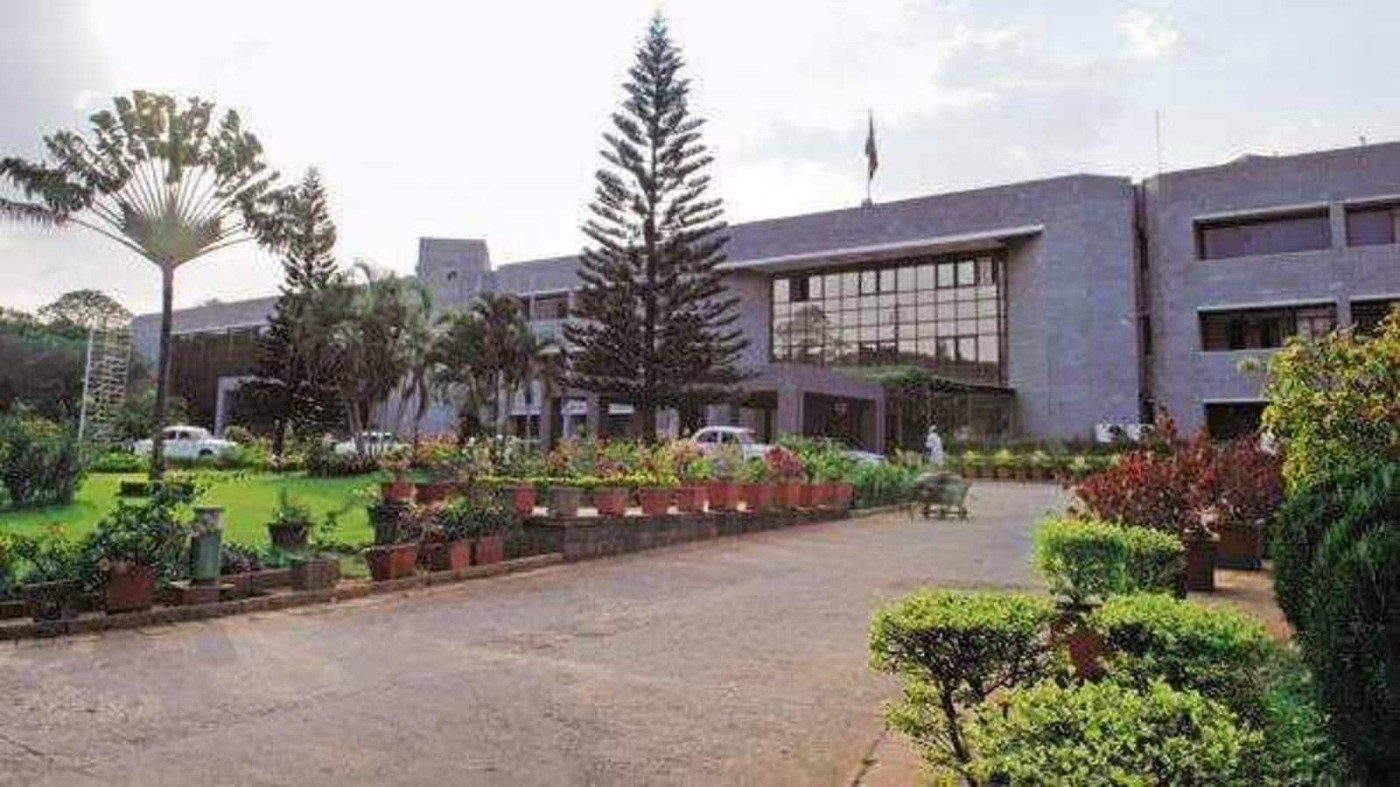
File photo: Anmollshrma (CC0), via Wikimedia Commons
ISRO has completed Crew Module-Service Module separation tests at VSSC Thiruvananthapuram, clearing a key system for Gaganyaan's uncrewed G1 flight.
What Happened
The Indian Space Research Organisation (ISRO) has completed a series of ground tests that check how the two main parts of the Gaganyaan spacecraft, the Crew Module and the Service Module, separate from each other, the agency announced in the week of October 16, 2026. The tests were carried out at the Vikram Sarabhai Space Centre in Thiruvananthapuram on a test set-up that simulated the full assembly of the two modules. ISRO said the results give "the necessary confidence" in the separation system for G1, the first uncrewed flight of India's human spaceflight programme.
Key Facts
- Agency: Indian Space Research Organisation (ISRO).
- Tests: a series of Crew Module (CM) and Service Module (SM) separation tests for the Gaganyaan programme.
- Place: Vikram Sarabhai Space Centre, Thiruvananthapuram, on a heavily instrumented rig simulating the CM-SM assembly.
- What was tested: cutting the many connecting cables and links between the modules, covering avionics, inertial navigation, heat-shield thermal protection, and pyrotechnic devices in the uprighting and thermal-control systems.
- Reported result: the separation system design was found adequate, and key Crew Module systems withstood the separation shocks.
- Next step: G1, the first uncrewed Gaganyaan flight, carrying the humanoid robot Vyommitra, which ISRO has targeted for late 2026 without a fixed date.
Why It Matters
Gaganyaan is India's programme to send astronauts into orbit on an Indian rocket and bring them home safely. The spacecraft has two parts. The Crew Module is the capsule where astronauts sit and the only part that returns to Earth. The Service Module, attached below it, carries engines, fuel tanks and power systems that the capsule needs in orbit. Before the capsule re-enters the atmosphere, the two must split apart cleanly. If the separation fails, or if it damages the capsule, the crew's return would be at risk.
Separation is not as simple as unbolting two parts. The modules are linked by many umbilicals, bundles of cables and pipes that carry power, data and commands between them, and by small explosive devices, called pyrotechnics, that cut the links at the right moment. When these fire, they send sharp shocks through the structure. ISRO's tests reproduced the cutting of these links on the ground and measured how the capsule's electronics, navigation sensors and heat shield coped. The heat shield is the outer layer that protects the capsule from the extreme heat of re-entry, so any damage to it during separation would be serious.
The tests are one of many ground checks before G1. ISRO has run thousands of tests on the programme's systems, and it has made clear that it will fly people only after uncrewed flights show the spacecraft is safe. Earlier targets for G1 have slipped: in October 2025 ISRO's chairman, V. Narayanan, said it was set for December 2025, and in January 2026 it was slated for March. The agency's current aim is an uncrewed flight by the end of 2026, with the crewed mission to follow later.
For India's space industry, each completed milestone matters beyond ISRO. Indian companies make parts and subsystems for the programme, and a successful human spaceflight would put India among the few countries able to launch people on their own rockets, strengthening its standing in the global space market.
Impact
Short-term: With the separation system cleared on the ground, ISRO can move ahead with integrating the G1 spacecraft and preparing it for launch, although no date has been fixed.
Long-term: Reliable separation is essential for the crewed missions that follow. Each test that passes reduces the risk for the astronauts who will fly, and helps keep the programme on its path towards a crewed flight.
Who is affected: ISRO's engineers and the astronaut candidates training for Gaganyaan; Indian companies supplying hardware; students and young engineers looking at careers in space; and the wider public following India's first human spaceflight effort.
Key Takeaway
ISRO's completed Crew Module and Service Module separation tests have cleared a safety-critical system for Gaganyaan's first uncrewed flight, G1, which is targeted for late 2026 without a fixed date.
Questions and Answers
What did ISRO test for Gaganyaan?
ISRO tested how the Crew Module and Service Module of the Gaganyaan spacecraft separate. On a rig at the Vikram Sarabhai Space Centre, it reproduced the cutting of the cables and links between the modules and checked how the capsule's systems handled the shocks.
Why is Crew Module and Service Module separation important?
The Crew Module carries the astronauts and is the only part that returns to Earth. It must separate cleanly from the Service Module before re-entry, without damage to its electronics or heat shield, for the crew to come home safely.
When is Gaganyaan's first uncrewed flight, G1?
ISRO is aiming for the uncrewed G1 flight by the end of 2026, carrying the humanoid robot Vyommitra, but it has not announced a fixed launch date. Earlier targets of December 2025 and March 2026 were missed.
What is Vyommitra?
Vyommitra is a humanoid robot that will fly on the uncrewed Gaganyaan mission. ISRO has said it will monitor the module's conditions, issue alerts and carry out life-support operations, helping to test the systems before astronauts fly.
Disclaimer: Prepared by the Peepals newsroom from publicly available sources with AI assistance. Information is accurate to the best of our knowledge at the time of publication and may change. Images may be representative. Not professional advice. Report an error via our contact page.
Sourced and fact-checked by the Peepals Global Editorial Team
Food Lion, Stop & Shop sites back online after Ahold Delhaize cyberattack
DeepInfer: DeepSeek open-sources the engine that runs its AI models
Reported, fact-checked and published by the Peepals Global Editorial Team.