
ISRO to launch NVS-03 tonight with Indian atomic clock for NavIC
 By Anika SharmaAI & Innovations Editor, Peepals Tech
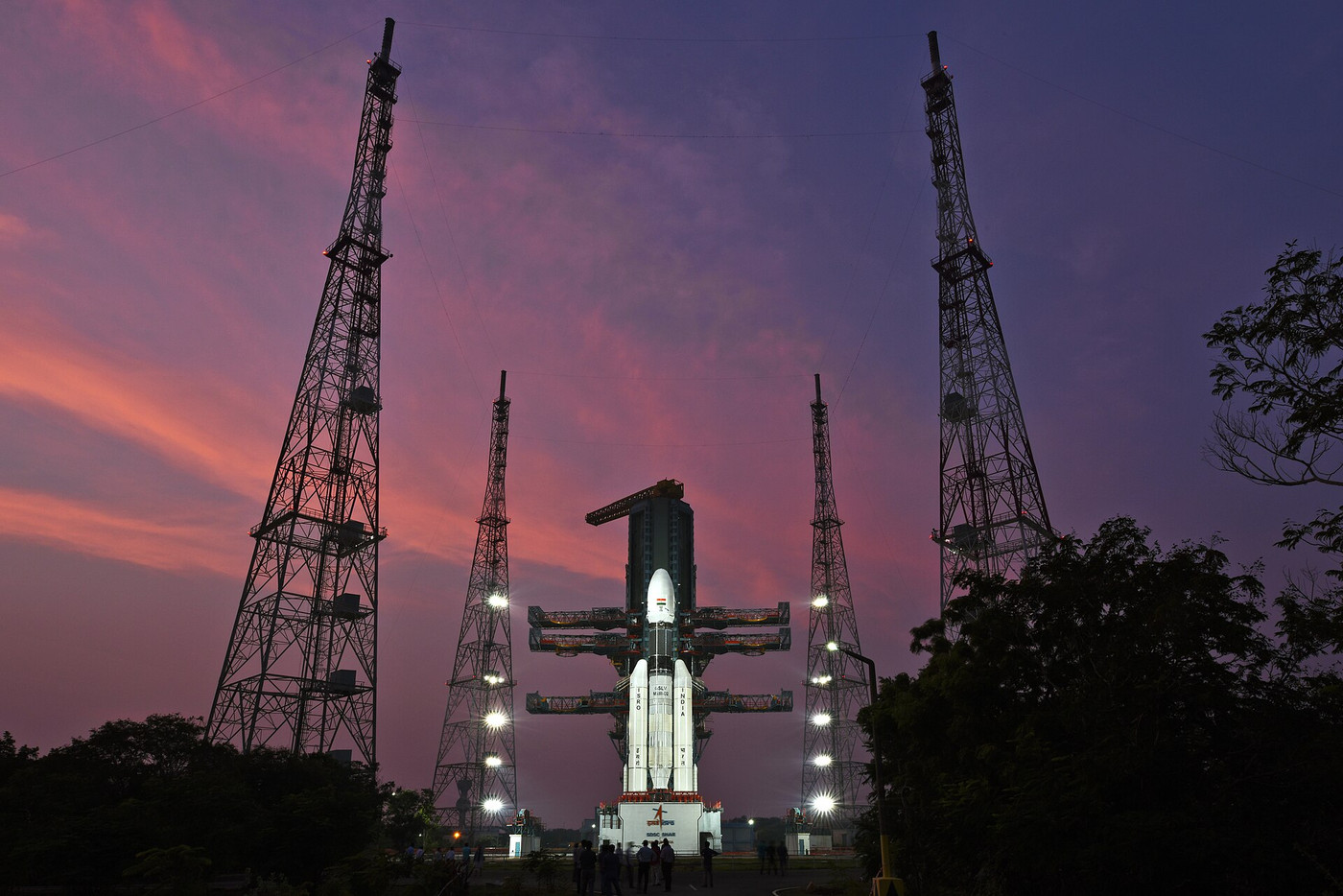
File photo: Indian Space Research Organisation (GODL-India), via Wikimedia Commons
ISRO's GSLV-F18 is set to launch NavIC satellite NVS-03, with an Indian-made atomic clock and L1 signal, at 11:51 pm on October 30, 2026, from Sriharikota.
What Happened
The Indian Space Research Organisation (ISRO) has scheduled the launch of NVS-03, the third satellite in the second generation of India's NavIC navigation system, for 11:51 pm on Friday, October 30, 2026, from the Satish Dhawan Space Centre at Sriharikota in Andhra Pradesh. The satellite will fly on GSLV-F18, the 20th flight of the Geosynchronous Satellite Launch Vehicle, from the second launch pad, and carries an atomic clock built in India. The launch comes after its predecessor, NVS-02, was stranded in a transfer orbit in 2025 when its thrusters could not be fired.
Key Facts
- Launch: GSLV-F18 with NVS-03, 11:51 pm IST on October 30, 2026, from the Second Launch Pad at Sriharikota.
- Target orbit: a geosynchronous transfer orbit, from which the satellite must raise itself to its working position using its own thrusters.
- Payload: an indigenous atomic clock along with procured atomic clocks.
- Signals: the new L1 navigation signal in addition to the existing L5 and S-band signals.
- Series: five second-generation satellites, NVS-01 to NVS-05, are planned to strengthen the NavIC constellation.
- Background: NVS-01 launched on May 29, 2023; NVS-02 launched in January 2025 but could not raise its orbit because the valves that feed oxidiser to its thrusters did not open.
Why It Matters
NavIC, short for Navigation with Indian Constellation, is India's own satellite navigation system, a regional counterpart to the US Global Positioning System (GPS). It is designed to give accurate position and time over India and a region around it. Having a system under Indian control means the country does not depend only on foreign systems for positioning and timing.
Every navigation satellite works by broadcasting very precise time signals. A receiver on the ground compares the signals from several satellites to work out where it is. That is why the atomic clock on board is the heart of the satellite: an atomic clock keeps time using the steady vibration of atoms and is accurate to billionths of a second. Several clocks on the first-generation NavIC satellites failed over the years, which left the system short of fully working satellites. Building the clock in India, as on NVS-03, reduces dependence on imported parts and supports the government's aim of keeping national time from Indian sources.
The L1 signal is the other important change. L1 is the same frequency band that GPS uses for most consumer devices. Adding it to NavIC makes it easier for chip makers to build NavIC into ordinary smartphones and other devices, instead of needing a separate radio for the L5 and S bands that the older satellites use.
The stakes are higher because of NVS-02. That satellite reached its transfer orbit in January 2025 but never got to its working slot, because, ISRO said, the valves admitting oxidiser to its orbit-raising thrusters did not open. A later review found the most likely cause was a signal that never reached a valve, probably because of disconnected connector contacts. Analysts say NavIC needs at least four healthy satellites in view for a receiver to fix its position using NavIC alone, so a successful NVS-03 is important for the system's reliability.
| Satellite | Launch | Status |
|---|---|---|
| NVS-01 | May 29, 2023 | In service |
| NVS-02 | January 2025 | Stranded in transfer orbit |
| NVS-03 | October 30, 2026, 11:51 pm | Scheduled on GSLV-F18 |
Impact
Short-term: The first test is the launch itself and a clean separation in transfer orbit. The more critical step comes in the following days, when NVS-03 fires its own engines to climb to its working position, the stage at which NVS-02 failed.
Long-term: If NVS-03 reaches its slot and its clocks work, NavIC gains a modern satellite with the L1 signal and an Indian-made clock, helping restore the number of healthy satellites and widening the system's use in consumer devices. Two more satellites, NVS-04 and NVS-05, are planned in the series.
Who is affected: Government agencies and businesses that use NavIC for positioning and timing; phone and chip makers deciding whether to support NavIC; and India's space programme, for which a successful second-generation launch matters after the NVS-02 setback.
Key Takeaway
ISRO launches NVS-03 at 11:51 pm on October 30, 2026, carrying an Indian-made atomic clock and the new L1 signal, and its success in reaching orbit matters for a NavIC system still recovering from the NVS-02 failure.
Questions and Answers
When is ISRO's NVS-03 launch?
ISRO has scheduled GSLV-F18 carrying NVS-03 for 11:51 pm IST on Friday, October 30, 2026, from the Second Launch Pad at the Satish Dhawan Space Centre, Sriharikota.
What is NavIC?
NavIC (Navigation with Indian Constellation) is India's regional satellite navigation system, similar to GPS. It provides position and timing services over India and the surrounding region.
What is new on NVS-03?
It carries an atomic clock built in India along with procured clocks, and it adds the L1 navigation signal, used by most consumer GPS devices, to NavIC's existing L5 and S-band signals.
What happened to NVS-02?
NVS-02 launched in January 2025 but could not raise its orbit to its working slot because the valves that feed oxidiser to its thrusters did not open, according to ISRO. A later review blamed a signal that never reached a valve, most likely because of disconnected connector contacts.
Disclaimer: Prepared by the Peepals newsroom from publicly available sources with AI assistance. Information is accurate to the best of our knowledge at the time of publication and may change. Images may be representative. Not professional advice. Report an error via our contact page.
By Anika Sharma, AI & Innovations EditorCovers AI & Innovation and more for Peepals Tech. All stories by Anika Sharma
Intel Q3: revenue rises 21% to $16.5 billion, weak outlook sinks shares
Amadeus breach: Japan Airlines says data of 92,000 customers exposed
Get the day's stories in your inbox
Peepals Weekly: the week decoded, free. One email a week, unsubscribe in one click.
Anika Sharma is a pen name of the Peepals Global Editorial Team, which researches, fact-checks and publishes every story. The portrait is an illustration.