
Amadeus breach: Japan Airlines says data of 92,000 customers exposed
 By Karan BansalTech Startups Correspondent, Peepals Tech
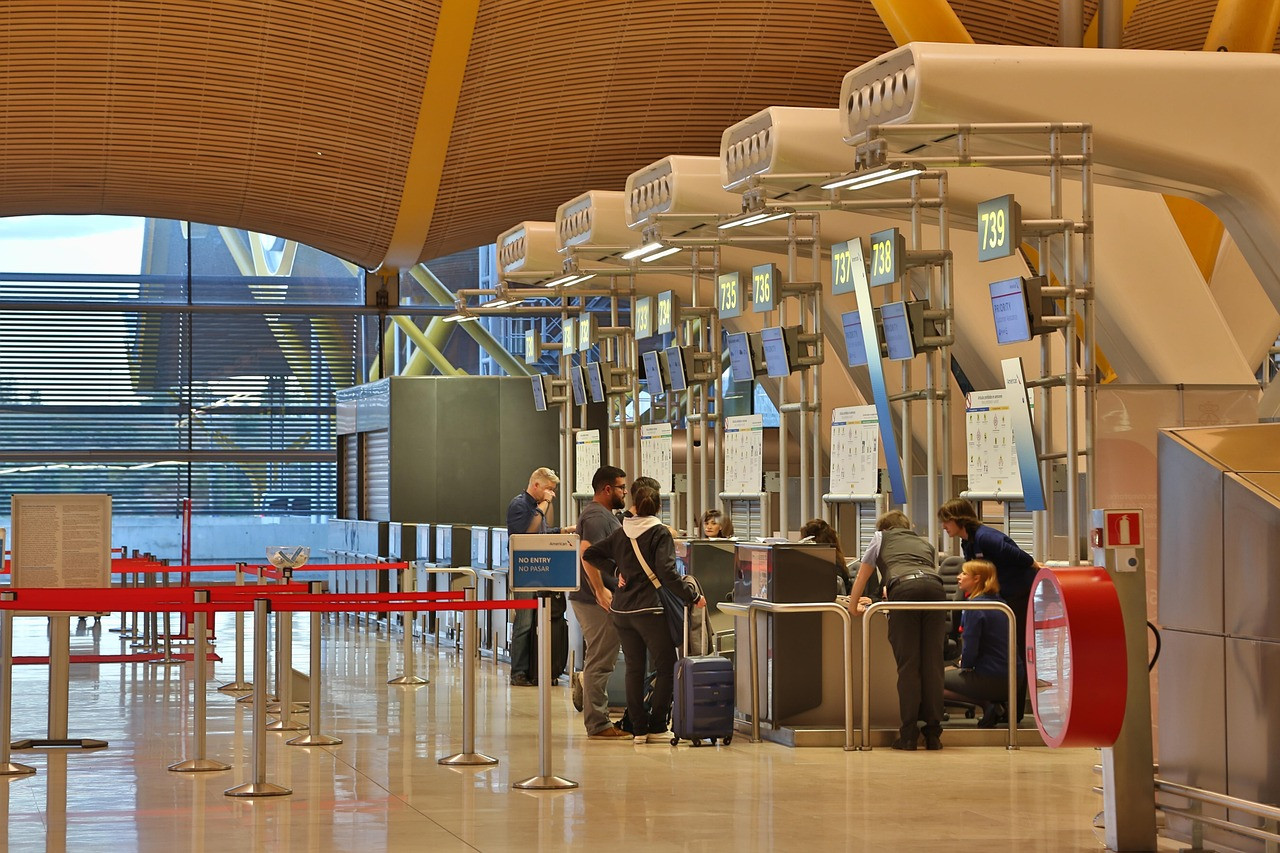
Representative image: frank2016wang / Pixabay
Japan Airlines says unauthorised access to the Amadeus reservation system exposed data of about 92,000 customers; ANA and Korean carriers also report impact.
What Happened
Japan Airlines (JAL) has disclosed that unauthorised access to the Amadeus Passenger Service System, the reservation software it uses from the European travel technology company Amadeus, exposed the data of about 92,000 customers. JAL said Amadeus told it of the breach on October 23, 2026, and that outsiders had been able to read reservation records since August 2023. On October 29, All Nippon Airways (ANA) also announced a customer data breach linked to Amadeus, according to Japanese media, and South Korea's Asiana Airlines and Korean Air have said they were affected too.
Key Facts
- Affected system: the Amadeus Passenger Service System, the software airlines use to hold bookings, issue tickets and check passengers in.
- JAL and its subsidiary Japan Transocean Air: about 92,000 customers affected.
- For about 90,000 of them, the exposed data was mainly names, reservation numbers and flight details.
- For about 2,000 customers, more sensitive details may have been exposed, including passport numbers, nationality, frequent flyer numbers, email addresses and phone numbers.
- JAL said credit card numbers were not compromised and flight operations were not affected.
- Amadeus informed JAL on October 23, 2026; access to reservation records is reported to have been possible since August 2023, about three years.
- ANA has not yet given a number of affected passengers or the types of data involved.
Why It Matters
Most travellers never deal with Amadeus directly, but much of the world's airline industry runs on systems like it. A passenger service system is the back-office software that stores every booking: who is flying, on which flight, with what contact details and, for international trips, passport information. Airlines rent this software from a few large providers rather than building their own. That makes those providers a single point of weakness. A flaw or stolen login in one provider's system can expose passengers of many airlines at once, which is what this case appears to show, with carriers in Japan and South Korea reporting impact within days of each other.
The length of the exposure is also notable. If, as JAL has said, outsiders could read records from August 2023, the problem went unnoticed for about three years. Reports differ on the cause. One account says the intruders used login credentials assigned to accounts on the system, which would mean stolen or misused passwords rather than a software bug; another report says a flaw existed but had not been exploited and that no payment data was exposed. Amadeus has not given a full public explanation, so the cause should be treated as unconfirmed.
For a start-up and technology audience, the episode is a reminder of supply-chain risk, the danger that comes not from your own systems but from a supplier's. Companies of every size depend on outside software for payments, customer records and bookings, and regulators increasingly hold the company that collects the data responsible even when the breach happens at a vendor. India's Digital Personal Data Protection Act places that duty on the company that decides how personal data is used, and requires it to inform the Data Protection Board and affected people of a breach.
What travellers should do: anyone who has flown with the affected airlines should watch for emails, calls or messages that quote real booking details, since attackers often use such details to make phishing (fake messages designed to steal passwords or money) look genuine. Do not click links in unexpected messages about refunds or rebooking; go to the airline's official website or app instead. Change the password on frequent flyer accounts, and do not reuse it elsewhere. Those whose passport numbers may have been exposed should be alert to identity fraud attempts.
Impact
Short-term: Affected airlines are notifying customers, and more carriers may disclose that they were hit as Amadeus completes its review. Passengers face a higher risk of targeted phishing.
Long-term: Airlines and regulators are likely to look harder at how reservation providers control access, and at how long a breach can go undetected. The case adds to pressure for stricter oversight of shared software suppliers.
Who is affected: Customers of Japan Airlines, Japan Transocean Air, ANA, Asiana Airlines and Korean Air, including foreign travellers who booked with them; the airlines; and other companies that rely on the same reservation software.
Key Takeaway
Japan Airlines says an Amadeus reservation system breach exposed data of about 92,000 customers over roughly three years, showing how one software supplier can put passengers of several airlines at risk.
Questions and Answers
What is the Amadeus data breach?
Japan Airlines says unauthorised access to the Amadeus Passenger Service System, the reservation software it uses, exposed data of about 92,000 customers. Amadeus told JAL on October 23, 2026, and other airlines in Japan and South Korea have reported being affected.
What data was exposed?
For most of the 92,000 JAL customers it was names, reservation numbers and flight details. For about 2,000, passport numbers, nationality, frequent flyer numbers, email addresses and phone numbers may also have been exposed. JAL said credit card numbers were not compromised.
Which airlines are affected?
Japan Airlines and its subsidiary Japan Transocean Air, All Nippon Airways, Asiana Airlines and Korean Air have reported impact linked to Amadeus.
What should passengers do?
Treat unexpected messages about bookings or refunds with suspicion, use only the airline's official website or app, change frequent flyer account passwords, and watch for misuse of passport details.
Disclaimer: Prepared by the Peepals newsroom from publicly available sources with AI assistance. Information is accurate to the best of our knowledge at the time of publication and may change. Images may be representative. Not professional advice. Report an error via our contact page.
By Karan Bansal, Tech Startups CorrespondentCovers Tech Start-ups & Stories and more for Peepals Tech. All stories by Karan Bansal
ISRO to launch NVS-03 tonight with Indian atomic clock for NavIC
Pixxel sets up US subsidiary Pixxel Federal for defence, intelligence agencies
Get the day's stories in your inbox
Peepals Weekly: the week decoded, free. One email a week, unsubscribe in one click.
Karan Bansal is a pen name of the Peepals Global Editorial Team, which researches, fact-checks and publishes every story. The portrait is an illustration.