
BHASHINI, NIELIT sign MoU to bring Indian-language AI into tech courses
 By Anika SharmaAI & Innovations Editor, Peepals Tech
Representative image: asuraneo / Pixabay
The Digital India BHASHINI Division and NIELIT exchanged an MoU on 19 November 2026 to put Indian-language AI tools into NIELIT's courses and services.
BHASHINI: what happened
The Digital India BHASHINI Division (DIBD), which runs the government's Indian-language artificial intelligence platform, and the National Institute of Electronics and Information Technology (NIELIT) exchanged a memorandum of understanding (MoU) on Thursday, 19 November 2026, to work together on multilingual AI, technical education, research and skill development. The two bodies will explore building BHASHINI's AI language tools into NIELIT's courses, training and institutional systems, so that students and citizens can use them in Indian languages. The MoU was exchanged by Swati Bisht Chowdhary, Head of Ecosystem Engagement at BHASHINI, and Dr S. K. Dhurandher, Registrar of NIELIT.
BHASHINI: key facts
- Parties: Digital India BHASHINI Division and NIELIT, both under the Ministry of Electronics and Information Technology (MeitY).
- Date: MoU exchanged on 19 November 2026.
- Framework: signed under "BHASHINI for Seva/Sanchalan", part of the BHASHINI Sahayogi Programme for partner institutions.
- Areas: multilingual AI applications, technical learning resources, linguistic data development, research, innovation and capacity building.
- Aim: make digital learning and institutional services available in users' preferred Indian languages.
- Not yet disclosed: which NIELIT courses will be covered first, when students will get access, and how translation accuracy will be checked.
BHASHINI: why it matters
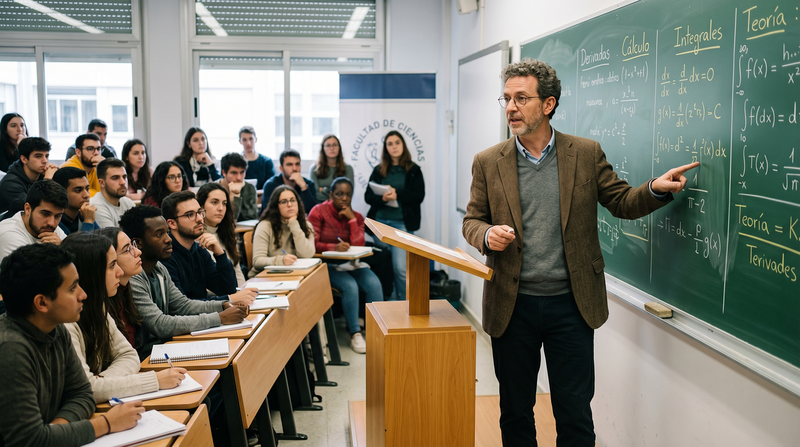
Much technical teaching in India, from coding to electronics, happens in English, while many students are more comfortable in their own language. BHASHINI's tools, which convert speech to text, translate text between languages and read text aloud, are meant to close that gap. Putting them inside NIELIT's learning systems is a step from a general-purpose platform to day-to-day use in classrooms and course material.
NIELIT is a natural partner because it is MeitY's own institute for technical education and training. If course content, help desks and services become available in Indian languages, more learners from those places could take up technical courses and finish them.
The data side matters as much as the classroom side. Language AI improves when it is trained on more examples, and the MoU includes linguistic data contribution. Technical vocabulary, such as words for circuits, code and networks, is often missing from translation systems, and an institute that teaches these subjects, and writes course notes and question papers on them every year, is well placed to help supply that vocabulary in Indian languages.
There are limits to keep in mind. AI translation is not always accurate, especially for technical terms, and the partners have not said how quality will be checked before students rely on translated material. The MoU is also a framework for cooperation, not a funded programme with targets; the details that will decide its impact, such as courses, languages and timelines, are still to come.
Peepals timeline: On 19 November 2026, the Digital India BHASHINI Division and NIELIT exchanged their MoU under the BHASHINI Sahayogi Programme's "BHASHINI for Seva/Sanchalan" track, which brings partner institutions onto the platform. The next steps named by the partners are integration of BHASHINI tools into NIELIT systems and joint work on language data, for which no dates have been given.
BHASHINI: impact
Short-term: The two bodies will work out which NIELIT courses, platforms and services get Indian-language AI tools first.
Long-term: If the integration works, NIELIT students could study and take support in their own language, and BHASHINI could gain technical-language data that improves its models for everyone.
Who is affected: NIELIT students and trainees, especially outside big cities; teachers who prepare course material; BHASHINI's developer and partner ecosystem; and citizens who use NIELIT's services.
What to watch next: the first list of NIELIT courses and services to carry BHASHINI tools, and how translation accuracy will be tested.
BHASHINI: key takeaway
Students planning NIELIT courses should watch for announcements on which courses will offer Indian-language AI support, and check translated technical material against the original until quality checks are published.
BHASHINI: questions and answers
What is BHASHINI?
BHASHINI is the government's Indian-language AI platform, run by the Digital India BHASHINI Division under MeitY, which offers tools such as translation and speech-to-text in Indian languages.
What will the BHASHINI-NIELIT MoU change for students?
It aims to bring BHASHINI's language tools into NIELIT's courses, training and services so that learners can use them in Indian languages. Which courses come first has not been announced.
When was the MoU signed?
It was exchanged on 19 November 2026 between BHASHINI's Head of Ecosystem Engagement and NIELIT's Registrar.
Will AI translations of technical material be accurate?
Not always. AI translation can make mistakes with technical terms, and the partners have not yet said how they will check accuracy.
Disclaimer: Prepared by the Peepals newsroom from publicly available sources with AI assistance. Information is accurate to the best of our knowledge at the time of publication and may change. Images may be representative. Not professional advice. Report an error via our contact page.
By Anika Sharma, AI & Innovations EditorCovers AI & Innovation and more for Peepals Tech. All stories by Anika Sharma
Nvidia RTX Spark laptops reach India from Rs 2,99,399; Dell XPS 16 on sale
MeitY rewrites local content rules for laptops, servers in government buying
Your week ahead, every Sunday. Free.
Exam and result dates, IPOs opening, scheme deadlines, government holidays and the RBI decision for the next 7 days, plus the week's top stories. One email a week, unsubscribe in one click.
Anika Sharma is a pen name of the Peepals Global Editorial Team, which researches, fact-checks and publishes every story. The portrait is an illustration.
Responsible for this story: the Peepals Global Editorial Team, led by editor Prashant Sonar. How we report