
Samsung Q3: AI chip boom lifts earnings past 100 trillion won; phones slip
 By Pooja MehraIndustry Trends Analyst, Peepals Tech
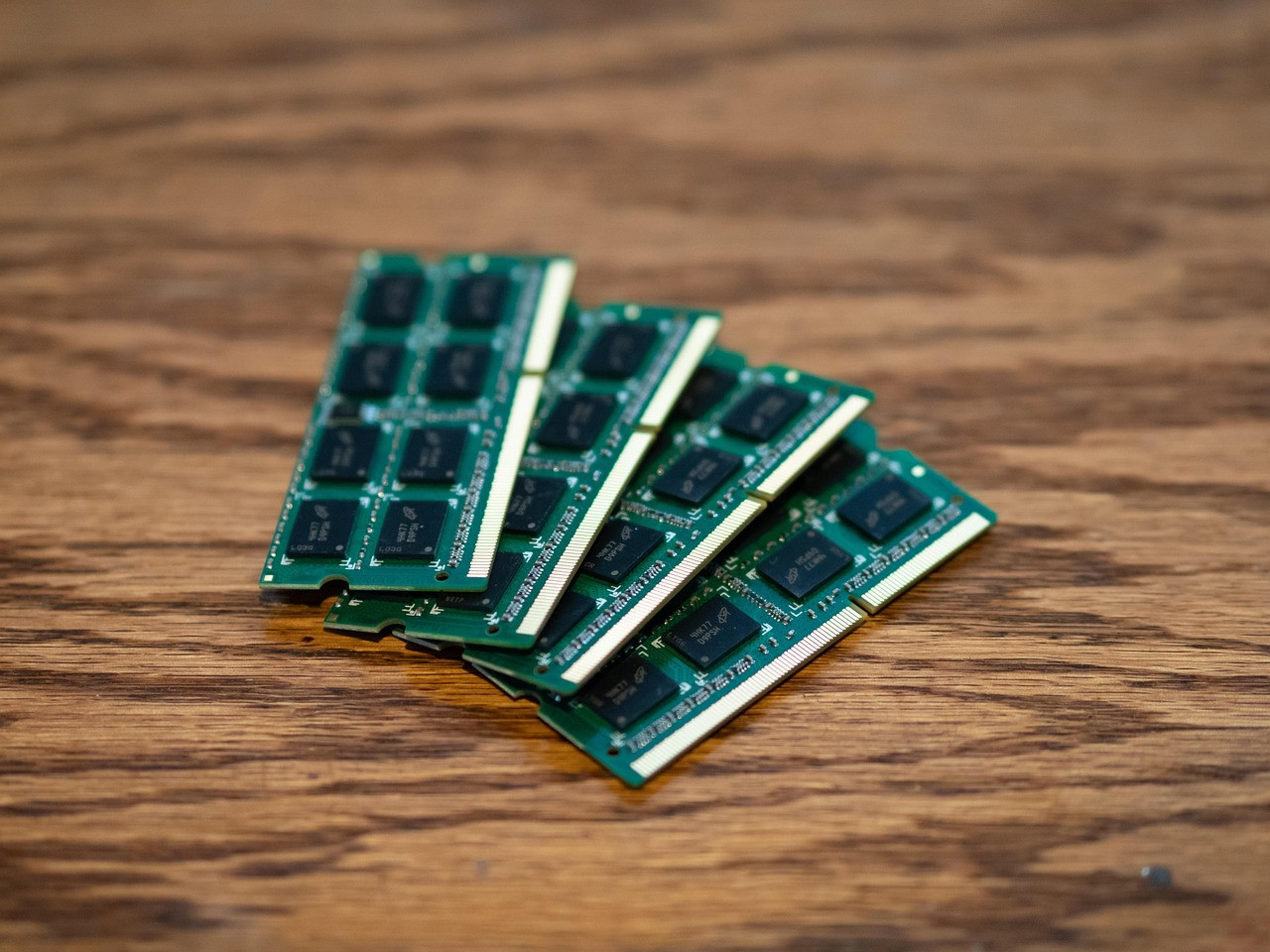
Representative image: LAWJR / Pixabay
Samsung reported record Q3 2026 revenue of 195.3 trillion won and operating profit of 107.4 trillion won on October 29, driven by AI memory chips.
What Happened
Samsung Electronics reported the biggest quarterly profit in its history on Thursday, October 29, 2026. For the July to September quarter, the South Korean company said consolidated revenue reached 195.3 trillion won, up 14% from the previous quarter, and operating profit reached 107.4 trillion won. Samsung said it is the first technology company to pass 100 trillion won in operating profit in a single quarter. Almost all of it came from its chip division, which earned 106.5 trillion won, led by memory chips used in artificial intelligence (AI) servers, while the smartphone business slipped to a loss.
Key Facts
- Revenue: 195.3 trillion won, an all-time quarterly high, up 14% quarter on quarter.
- Operating profit: 107.4 trillion won, roughly $80 billion, in line with the preliminary figure Samsung gave on October 8.
- Chip division: 106.5 trillion won in operating profit; the memory business set records for both revenue and profit.
- Mobile business: reported to have posted an operating loss of about 0.6 trillion won, which reports link to rising memory costs.
- High-bandwidth memory (HBM): reports say Samsung's 2027 HBM supply is already sold out at agreed prices.
- Shares: Samsung's stock fell about 2.4% after the results, as some investors questioned how long high chip prices can last.
Why It Matters
The results show how completely the AI boom has changed the economics of the chip industry. Memory chips store data. AI systems need enormous amounts of fast memory, especially high-bandwidth memory, or HBM, which stacks memory chips on top of one another so data can move to AI processors very quickly. Demand for these chips from companies building AI data centres has far outrun supply, pushing prices up sharply. Samsung, the world's largest memory maker, is now earning more in one quarter than many of the world's biggest companies make in a year. Its local rival SK Hynix also reported record profit this week on the same demand.
The other side of the story affects ordinary buyers. Memory is a key part of every phone, laptop and computer. When memory makers sell more of their capacity to AI customers at higher prices, the chips that go into consumer devices become scarcer and dearer. Samsung's own smartphone business, which buys memory too, was reported to have fallen to a loss in the quarter even though its premium phones sold well. Reports from the results say Samsung expects demand for mid-range and entry-level phones to stay soft and the memory market to stay tight, possibly through 2028.
For phone buyers in India, as elsewhere, that matters directly. If memory stays tight, price increases or less memory in budget models are possible. At the same time, India's push to build its own chip industry, through the India Semiconductor Mission's support for assembly and testing plants, gains urgency when a handful of Asian companies control the supply of chips that the AI economy depends on.
The share price reaction also tells a story. Investors cheered the scale of the profit but sold some shares because the figure was close to what analysts expected, and because they worry that memory prices, which swing in cycles, could fall again once new factories come online.
Impact
Short-term: Samsung will keep steering its production towards AI memory. Phone and laptop makers, including Samsung's own mobile division, face higher component costs heading into the holiday season.
Long-term: If the memory shortage lasts into 2028 as reports suggest, consumer electronics could stay more expensive, and governments, including India's, will press harder to secure chip supply. A future downturn in memory prices would hit Samsung's profit just as sharply.
Who is affected: Samsung investors and employees; AI companies buying memory; smartphone and laptop makers; and consumers in India and elsewhere who may pay more for devices.
Key Takeaway
AI memory demand gave Samsung a record 107.4 trillion won quarterly profit, but the same shortage is raising costs for phones and other everyday devices.
Questions and Answers
How much profit did Samsung make in Q3 2026?
Samsung reported operating profit of 107.4 trillion won, about $80 billion, on revenue of 195.3 trillion won for the July to September 2026 quarter. Both were records.
Why is Samsung's profit so high?
Demand for memory chips used in AI data centres, especially high-bandwidth memory, has far exceeded supply, pushing prices up. Samsung's chip division earned 106.5 trillion won of the total.
Why did Samsung's phone business make a loss?
Reports say the mobile division posted a loss of about 0.6 trillion won as the cost of memory, a key phone component, rose sharply, eating into margins despite good sales of premium models.
Will phones get more expensive in India?
Samsung expects the memory market to stay tight, possibly through 2028, and memory is a major part of a phone's cost. That raises the chance of further price rises or reduced memory in budget devices, though companies set prices model by model.
Disclaimer: Prepared by the Peepals newsroom from publicly available sources with AI assistance. Information is accurate to the best of our knowledge at the time of publication and may change. Images may be representative. Not professional advice. Report an error via our contact page.
By Pooja Mehra, Industry Trends AnalystCovers Industry News & Trends and more for Peepals Tech. All stories by Pooja Mehra
Get the day's stories in your inbox
Peepals Weekly: the week decoded, free. One email a week, unsubscribe in one click.
Pooja Mehra is a pen name of the Peepals Global Editorial Team, which researches, fact-checks and publishes every story. The portrait is an illustration.