

Unitree Robotics' new H2-X humanoid falls, loses leg part at live demo
 By Pooja MehraIndustry Trends Analyst, Peepals Tech
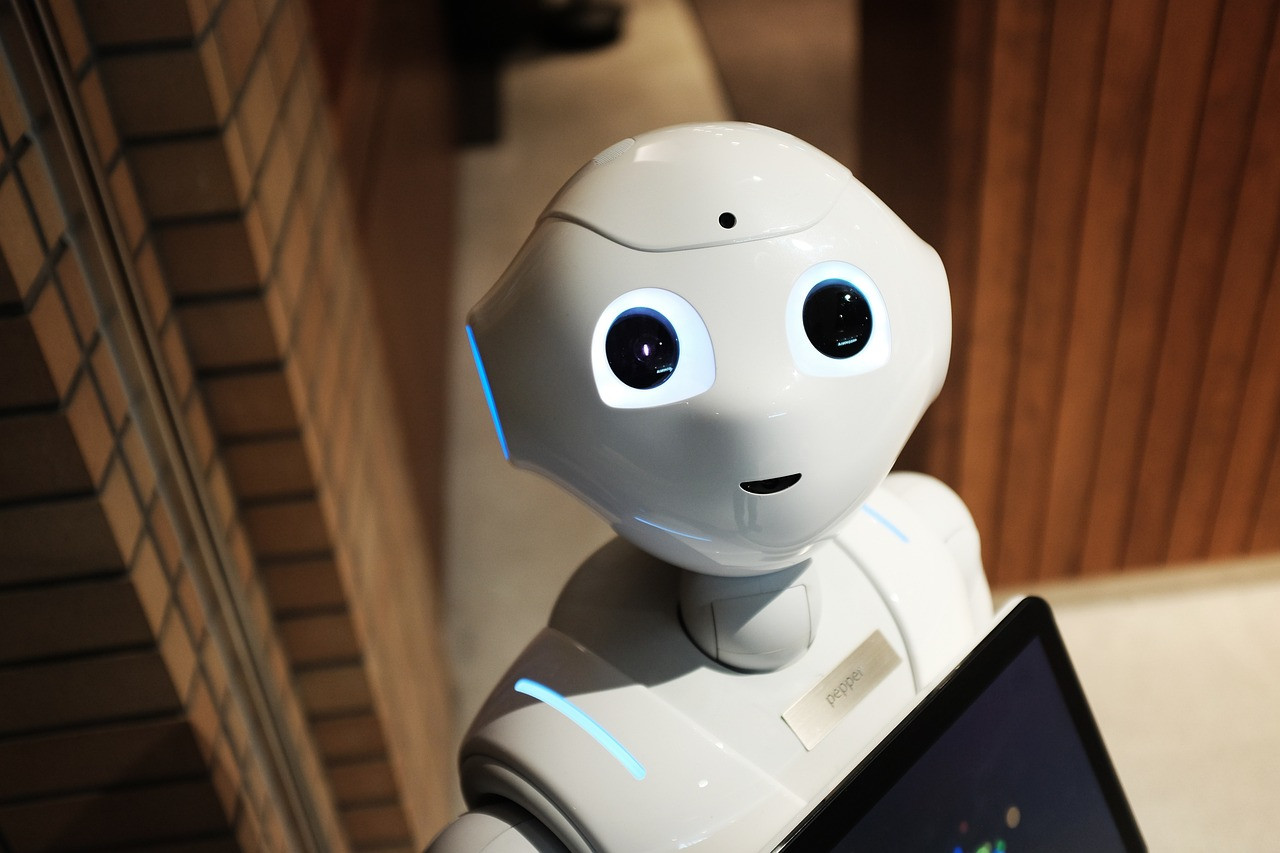
Representative image: StockSnap / Pixabay
Unitree Robotics' H2-X humanoid, launched on 21 October 2026, fell during a side flip at a Hangzhou event on 22 October and part of a lower leg came off.
What Happened
Unitree Robotics, the Chinese maker of legged and humanoid robots, saw its newly launched H2-X humanoid fall during a live kung fu demonstration in Hangzhou, China, on Thursday, 22 October 2026. The robot attempted a side flip at the 2026 World Physical AI Conference and Unitree Partner Ecosystem Summit, lost its balance, landed hard and had part of one lower leg come away at the joint. The company had unveiled the H2-X only a day earlier, on 21 October, as a security and emergency-rescue model.
Key Facts
- Unitree released the H2-X on 21 October 2026 as a "guardian" version of its H2 humanoid platform, aimed at security and rescue work.
- The company's promotional video showed the robot disarming a person holding a knife, lifting a car and pulling a pedestrian away from traffic.
- Unitree says the H2-X can run for about eight hours; it has not published a price, a sales date or full technical specifications.
- At the Hangzhou event on 22 October, the robot lost balance during a side flip, and one lower leg detached at the joint and landed on a nearby mat, according to reports from the event.
- Unitree had not commented publicly on the fall at the time of the first reports.
- Reaction on Chinese social media was split, with some users saying such failures should be kept to a minimum and others calling them a normal part of developing new technology.
- Unitree Robotics is listed on Shanghai's STAR Market under the code 688836.
Why It Matters
A humanoid robot is a machine built roughly in the shape of a person, with two legs, two arms and a head, so that it can work in spaces designed for humans. Unitree is one of the best-known makers of such machines, partly because its earlier robots have been shown dancing, running and doing flips in widely shared videos.
The fall matters because it shows the gap between a polished promotional video and a live performance. A video can be filmed many times until a stunt succeeds; a live show has one attempt. A side flip asks a robot to launch its own weight, turn in the air and land while keeping its balance, all controlled by software that must react within fractions of a second. When the timing or the landing is slightly wrong, the forces on the legs are very large, which is why a joint can fail.
It also matters because of what the H2-X is meant to do. Unitree has presented it as a robot that could protect people and help in emergencies. Those roles demand that a machine behave safely and predictably around the public. Analysts have said such a robot would find it difficult to pass the safety certification needed to be sold as a personal bodyguard. A fall during a demonstration does not by itself say the product is unsafe, but it is a reminder that claims made in promotional material are the company's claims and have not yet been tested in real-world use.
For India, the story is part of a wider race. China, the United States and others are pouring money into humanoid robots for factories, warehouses and services. Indian manufacturers and research institutions are watching closely, since humanoids could one day compete with, or work alongside, human labour in sectors where India has large workforces.
| Point | H2-X, as reported |
|---|---|
| Launch date | 21 October 2026 |
| Stated purpose | Security and emergency rescue |
| Claimed runtime | About eight hours (company claim) |
| Price and sale date | Not disclosed |
| Live demo result | Fell during side flip; part of lower leg detached |
Impact
Short-term: The fall is likely to draw closer questions about the H2-X from buyers, partners and investors, and about how much of the robot's promoted ability holds up outside staged videos.
Long-term: Failures in public are common in robotics and often lead to design changes. If Unitree uses the incident to strengthen the robot's joints and control software, the H2-X or later models may become more reliable. More broadly, the episode may push buyers of humanoid robots to ask for live, independent testing rather than relying on videos.
Who is affected: Unitree and its customers and partners; companies and governments considering robots for security or rescue work; investors in robotics companies; and engineers and researchers, including in India, who are developing humanoid and legged robots.
Key Takeaway
Unitree's H2-X humanoid fell and lost part of a lower leg during a live side flip in Hangzhou on 22 October 2026, a day after its launch, showing the gap between promotional videos and live performance.
Questions and Answers
What happened to the Unitree robotics H2-X at the Hangzhou demo?
On 22 October 2026, at the World Physical AI Conference and Unitree Partner Ecosystem Summit in Hangzhou, the Unitree H2-X humanoid tried a side flip during a kung fu demonstration, lost its balance and fell, and part of one lower leg detached at the joint.
What is the Unitree H2-X meant to do?
Unitree launched the H2-X on 21 October 2026 as a security and emergency-rescue humanoid. Its promotional video showed it disarming a knife-holding person, lifting a car and pulling a pedestrian from traffic. The company says it runs for about eight hours but has not given a price or sale date.
Does the fall mean humanoid robots are not ready for real use?
Not on its own. Falls during demonstrations are common while robots are being developed. But the incident shows that live performance can differ from staged videos, and analysts have said robots meant for security roles face demanding safety certification.
Why should India follow humanoid robot news?
Humanoid robots are being developed for factories, warehouses and services, sectors where India employs large numbers of people. How fast these robots become reliable will affect future manufacturing, jobs and the research being done by Indian companies and institutions.
Disclaimer: Prepared by the Peepals newsroom from publicly available sources with AI assistance. Information is accurate to the best of our knowledge at the time of publication and may change. Images may be representative. Not professional advice. Report an error via our contact page.
By Pooja Mehra, Industry Trends AnalystCovers Industry News & Trends and more for Peepals Tech. All stories by Pooja Mehra
Sundar Pichai: Google Cloud is giving up revenue to feed AI research
RBI opens Rs 169 crore data centre, cyber institute near Bhubaneswar
Pooja Mehra is a pen name of the Peepals Global Editorial Team, which researches, fact-checks and publishes every story. The portrait is an illustration.