

Microsoft offers voluntary buyouts to 60,000 staff, including in India
 By Pooja MehraIndustry Trends Analyst, Peepals Tech
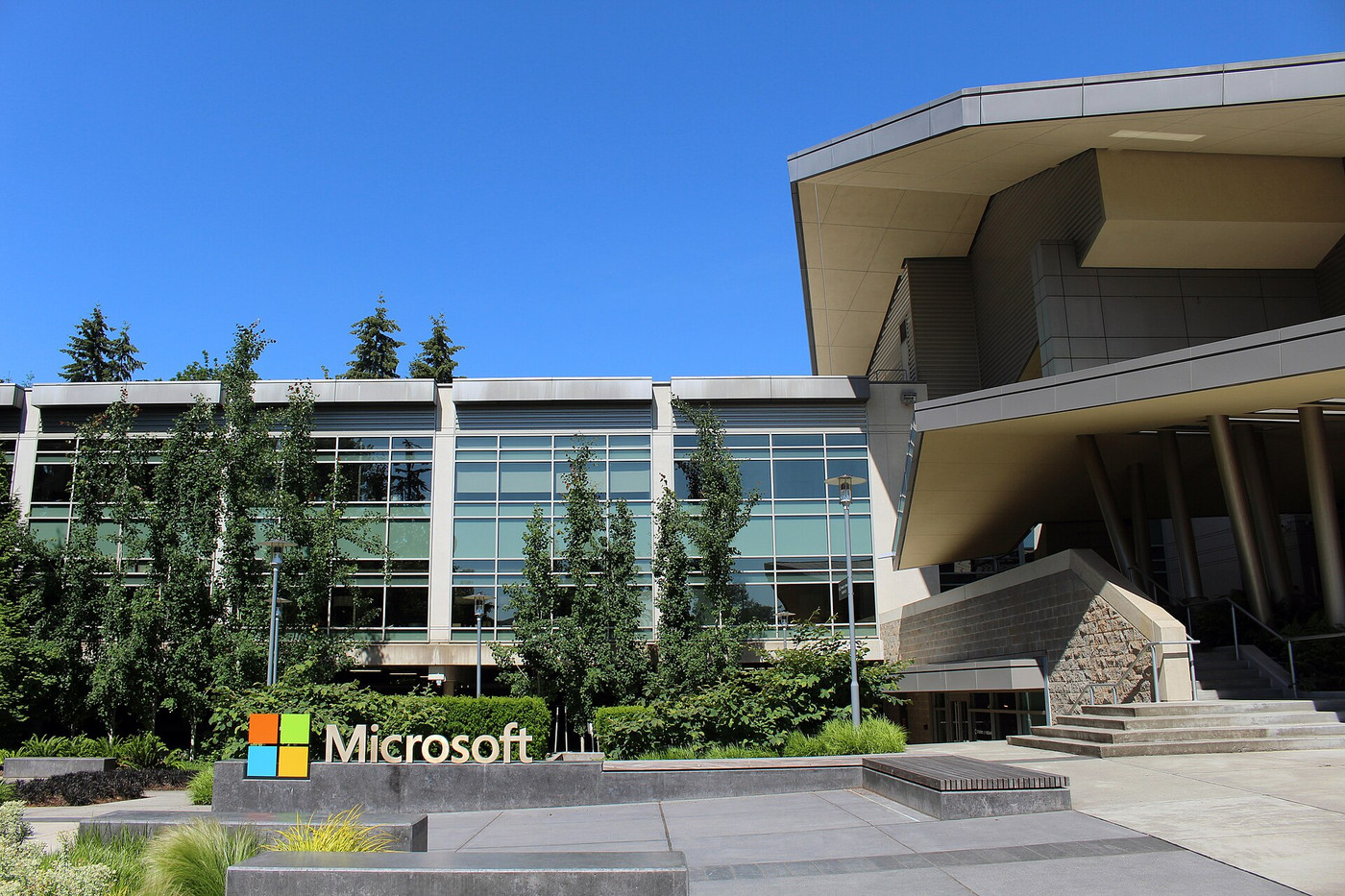
File photo: Coolcaesar (CC BY-SA 4.0), via Wikimedia Commons
Microsoft on October 26, 2026 offered voluntary buyouts to about 60,000 employees, roughly a quarter of its workforce, in the US, Canada, India and the UK.
What Happened
Microsoft has offered voluntary buyouts to about 60,000 employees, roughly a quarter of its workforce, according to an internal memo reported on Monday, October 26, 2026. The memo, sent by Chief People Officer Amy Coleman, covers staff at vice-president level and below in select teams in the United States, Canada, India and the United Kingdom. Eligible employees have until early December to decide, and those who accept will leave at the end of the year.
Key Facts
- About 60,000 Microsoft employees, around a quarter of the company's workforce, are eligible for the voluntary buyout.
- The offer was announced in a memo from Chief People Officer Amy Coleman, reported on October 26, 2026.
- It covers employees at vice-president level and below, in selected teams, in the US, Canada, India and the UK.
- Teams such as Xbox, Windows, Copilot and finance could be affected, according to reports; groups including data centres and sales and marketing are excluded.
- Employees who accept get benefits similar to a standard severance package.
- The decision deadline is early December 2026, with departures at the end of the year.
- Earlier in 2026, Microsoft offered buyouts to about 7% of its US workforce, about 9,000 people, and in July it cut another 4,800 jobs, according to reports.
Why It Matters
A buyout is different from a layoff. In a layoff, the company decides who leaves. In a voluntary buyout, the company offers a package and employees choose whether to take it. Companies use buyouts to shrink costs while giving staff some control and avoiding forced exits. But the scale here is unusual. Making a quarter of the workforce eligible signals that Microsoft wants a meaningful reduction in headcount, even though nobody yet knows how many will accept. The 60,000 figure is the number of people eligible, not the number expected to leave.
The inclusion of India is what makes this directly relevant for Indian readers. Microsoft has a significant workforce in India. The reports do not say how many of the eligible employees are in India, or which Indian teams are covered. Employees in those teams will have to weigh a severance-style package against staying in a company that is clearly trying to cut costs.
The move also reflects a wider shift in the technology industry. Big technology companies are spending very heavily on artificial intelligence, especially on data centres and chips, while trying to keep overall costs in check. It is notable that data-centre teams are excluded from this offer, while teams in established businesses such as Windows and Xbox may be affected. That pattern suggests money and people are being moved towards AI infrastructure and away from older product lines, although Microsoft has not described its reasons in those words in the reports available.
For the job market, a large buyout at one of the world's largest technology companies adds to pressure on technology hiring. When experienced engineers and managers leave a big firm at the same time, they compete with each other and with fresh graduates for openings elsewhere. At the same time, some may start companies or move to start-ups, which can bring experienced talent into the wider ecosystem.
| Point | Detail |
|---|---|
| Eligible employees | About 60,000, around a quarter of the workforce |
| Countries | United States, Canada, India, United Kingdom |
| Level | Vice president and below, in selected teams |
| Excluded groups | Including data centres, sales and marketing |
| Deadline | Early December 2026; exits at end of year |
Impact
Short-term: Eligible employees in the four countries, including India, now have about six weeks to decide. Teams may face uncertainty about who stays until the numbers are known in December.
Long-term: Depending on how many accept, Microsoft could emerge noticeably smaller in some product areas while continuing to invest in AI infrastructure. Other technology companies may follow with similar cost measures.
Who is affected: Microsoft employees in the eligible teams in the US, Canada, India and the UK; job seekers and recruiters in the technology sector; and start-ups that may gain experienced hires.
Key Takeaway
Microsoft has offered voluntary buyouts to about 60,000 employees, including in India, with a decision deadline in early December 2026, though how many will accept is not yet known.
Questions and Answers
How many Microsoft employees have been offered buyouts?
About 60,000 employees, roughly a quarter of Microsoft's workforce, are eligible for voluntary buyouts, according to a memo reported on October 26, 2026. That is the number eligible, not the number expected to leave.
Are Microsoft employees in India included in the buyout offer?
Yes. The offer covers staff at vice-president level and below in selected teams in the United States, Canada, India and the United Kingdom. The reports do not say how many eligible employees are in India.
When must Microsoft employees decide on the buyout?
Eligible employees have until early December 2026 to decide, and those who accept will leave at the end of the year.
Is a voluntary buyout the same as a layoff?
No. In a layoff the company chooses who leaves. In a voluntary buyout the company offers a package, here described as similar to standard severance, and employees decide whether to accept it.
Disclaimer: Prepared by the Peepals newsroom from publicly available sources with AI assistance. Information is accurate to the best of our knowledge at the time of publication and may change. Images may be representative. Not professional advice. Report an error via our contact page.
By Pooja Mehra, Industry Trends AnalystCovers Industry News & Trends and more for Peepals Tech. All stories by Pooja Mehra
Pooja Mehra is a pen name of the Peepals Global Editorial Team, which researches, fact-checks and publishes every story. The portrait is an illustration.