
Shield AI Bengaluru office: defence autonomy jobs in flight software, testing
 By Anika SharmaStaff Writer, Peepals Tech
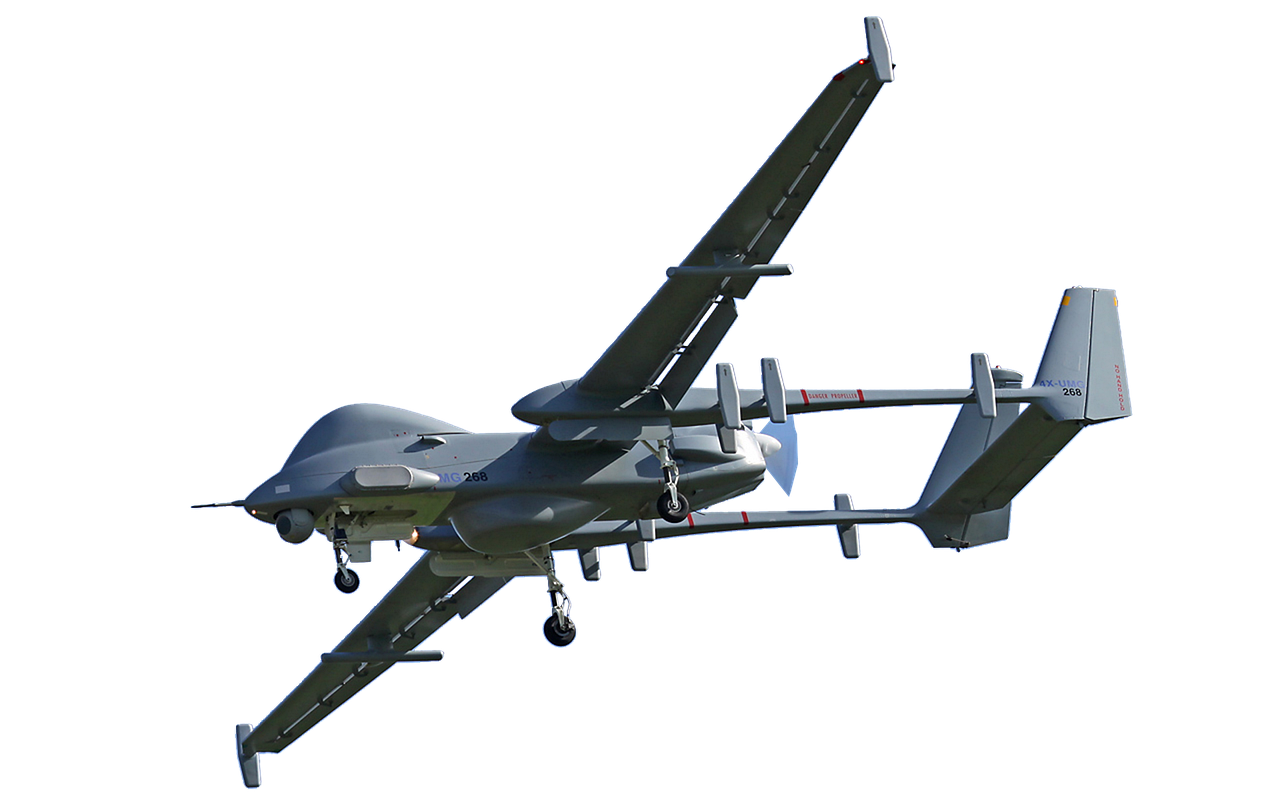
Representative image: Janson_G / Pixabay
Shield AI opened a Bengaluru engineering office on 13 November 2026 to build Hivemind autonomy software for Indian defence and will hire across five engineering areas.
What Happened
Shield AI, the US defence technology company, opened an engineering office in Bengaluru on Friday, 13 November 2026, where Indian engineers will develop and test its Hivemind autonomy software for Indian aircraft and defence systems. The office, at the GoodWorks GCC Nexus, is the company's second in India. The company said it will hire engineers for autonomy, flight software, simulation, systems integration, and test and evaluation roles. The Bengaluru team will work with Shield AI's New Delhi office, which handles engagement with the Ministry of Defence, the armed forces and Indian industry.
Shield AI Bengaluru: key facts
- Company: Shield AI, a US defence technology firm; its autonomy software is called Hivemind.
- New office: engineering centre at the GoodWorks GCC Nexus, Bengaluru, opened on 13 November 2026.
- Work: developing and testing Hivemind autonomy software for Indian aircraft and defence systems.
- Roles to be hired: autonomy, flight software, simulation, systems integration, and test and evaluation engineers.
- India footprint: the Bengaluru office is the company's second in India; the New Delhi office leads work with the Ministry of Defence, armed forces and Indian industry.
- Context: coverage links the move to the company's existing partnership with JSW Defence; Karnataka officials welcomed the investment, according to reports.
Shield AI Bengaluru: why it matters
"Autonomy" in defence means software that lets an aircraft or drone fly and carry out parts of a mission without a person controlling every move. Hivemind is Shield AI's name for its autonomy software. The five areas the company named show the skills such work needs: the autonomy logic itself, flight software that runs on board, simulation to test missions virtually, integration into specific aircraft, and test and evaluation before use.
For engineers in India, this is a specialised kind of opening. The office sits in a GCC campus, but the work it describes is hands-on engineering for aircraft and defence systems rather than business software. Roles in simulation, integration and test and evaluation can also suit engineers from aerospace, mechanical or electronics backgrounds, not only software developers.
The split between cities is deliberate: engineering in Bengaluru, government and industry engagement in Delhi. The company's message, building autonomy "in India, for India", matches the government's push for defence systems developed in the country.
There are limits to what is known. The company has not said how many people it will hire or when, and no salary or eligibility details were given in the reports.
Peepals timeline: Shield AI first set up in India with a New Delhi office focused on the Ministry of Defence, the armed forces and Indian industry, and has a partnership with JSW Defence, according to reports. On 13 November 2026, it opened its second Indian office, an engineering centre in Bengaluru, and said it would hire across five engineering areas. A careers listing or hiring numbers had not been published in the reports.
| Area | What the work involves |
|---|---|
| Autonomy | Software that lets aircraft plan and act on their own |
| Flight software | Code that runs on board the aircraft in real time |
| Simulation | Virtual testing of missions and software |
| Systems integration | Fitting software into specific aircraft and systems |
| Test and evaluation | Checking performance and safety before use |
Impact
Short-term: Engineers with skills in autonomy, flight software, simulation, integration and testing have a new employer in Bengaluru to watch for openings.
Long-term: A local engineering team could help adapt autonomy software to Indian aircraft and defence systems, and add to the pool of Indian engineers with defence-autonomy experience.
Who is affected: Aerospace, robotics, electronics and software engineers; Indian defence firms such as partners of Shield AI; and the Ministry of Defence and armed forces as potential users.
Key Takeaway
Shield AI has opened a Bengaluru engineering office to build its Hivemind autonomy software for Indian defence systems and plans to hire across autonomy, flight software, simulation, integration and testing roles.
Questions and Answers
What did Shield AI open in Bengaluru?
On 13 November 2026 it opened an engineering office at the GoodWorks GCC Nexus in Bengaluru to develop and test its Hivemind autonomy software for Indian aircraft and defence systems.
What jobs will Shield AI hire for in India?
The company said it will hire engineers in autonomy, flight software, simulation, systems integration, and test and evaluation. It has not said how many.
What is Hivemind?
Hivemind is Shield AI's autonomy software, which lets aircraft and drones carry out parts of missions with less human control. The Bengaluru team will develop and test it for Indian systems.
Does Shield AI have other offices in India?
Yes. Its New Delhi office handles engagement with the Ministry of Defence, the armed forces and Indian industry; Bengaluru is its second Indian office.
Disclaimer: Prepared by the Peepals newsroom from publicly available sources with AI assistance. Information is accurate to the best of our knowledge at the time of publication and may change. Images may be representative. Not professional advice. Report an error via our contact page.
By Anika Sharma, Staff WriterCovers AI & Innovation and more for Peepals Tech. All stories by Anika Sharma
Morsa funding: $1.5 million for factory AI COO in WhatsApp groups
Vivo X500 India launch date: November 26, with 200MP Zeiss zoom
Get the day's stories in your inbox
Peepals Weekly: the week decoded, free. One email a week, unsubscribe in one click.
Anika Sharma is a pen name of the Peepals Global Editorial Team, which researches, fact-checks and publishes every story. The portrait is an illustration.
Responsible for this story: the Peepals Global Editorial Team, led by editor Prashant Sonar. How we report