
T-Mobile CEO rejects SpaceX network deal again: 'no room for an MVNO'
 By Pooja MehraIndustry Trends Analyst, Peepals Tech
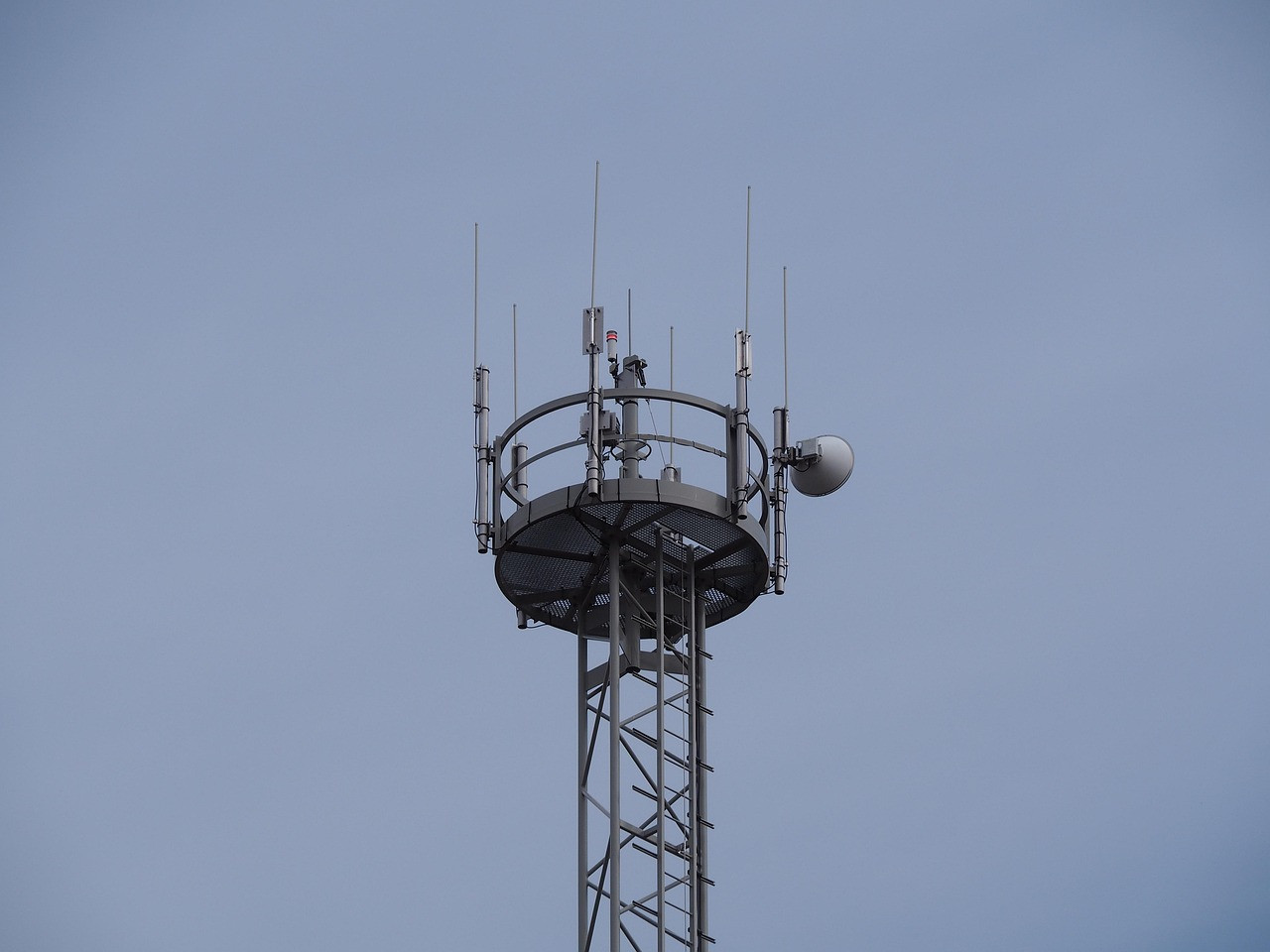
Representative image: Ratfink1973 / Pixabay
T-Mobile CEO Srini Gopalan said on October 28, 2026 he sees no room for a SpaceX MVNO on its network, but is open to resale deals like T-Satellite.
What Happened
T-Mobile US chief executive Srini Gopalan has again ruled out letting SpaceX resell mobile service over T-Mobile's network. Speaking on the company's third-quarter earnings call on Wednesday, October 28, 2026, he said he saw "no room for an MVNO with SpaceX", covering both consumer wireless and newer uses such as AI-powered devices at the network's edge. He left the door open only to a narrower resale arrangement for products that add to T-Mobile's own, citing its existing T-Satellite service as the model.
Key Facts
- T-Mobile's CEO rejected a SpaceX MVNO (mobile virtual network operator) deal on the Q3 2026 earnings call on October 28, 2026.
- Gopalan said he would be "very happy to look at a resale arrangement" for complementary products, such as T-Satellite.
- His test for any MVNO partner: it must bring new markets, new sales channels or new capabilities; he argued SpaceX offers none of these.
- T-Satellite, T-Mobile's existing satellite-to-phone tie-up with SpaceX, accounts for about 0.0002% of T-Mobile's total network usage, according to reports of the call.
- Verizon chief executive Dan Schulman has also ruled out an MVNO deal with SpaceX.
- T-Mobile reported 274,000 postpaid net account additions in the quarter and now expects about 1 million for 2026; postpaid service revenue rose 9.3% year on year to $16.3 billion.
Why It Matters
An MVNO is a company that sells mobile plans under its own brand but runs them over another operator's towers and spectrum, paying wholesale rates. Many budget brands around the world work this way. For SpaceX, an MVNO deal with a large carrier would be the quickest way to offer ordinary phone service on the ground alongside its Starlink satellites, without building a tower network of its own.
That is why the refusal matters. Reports say SpaceX has sought access to about 80,000 US cell sites. Without wholesale access from an existing operator, it would have to take a slower and more expensive route: holding its own spectrum and renting space on towers. SpaceX's pending spectrum purchase, which reports say still needs approval from the Federal Communications Commission (FCC), the US telecom regulator, is expected to close in the first half of 2027. Until then, and even after, the company needs partners on the ground.
Gopalan's argument is about competition. Letting a well-funded rival onto its network at wholesale prices could cost T-Mobile customers rather than add new ones. He pointed out that about two-thirds of T-Mobile's home broadband customers, who use its 5G network instead of a fixed line, are in dense urban areas, where he says the company still has spare capacity to grow on its own. With both T-Mobile and Verizon saying no, SpaceX's options among the big three US carriers have narrowed sharply.
For Indian readers, the dispute is a useful guide to a debate that is coming closer to home: how satellite operators and traditional mobile companies will share customers, spectrum and infrastructure as satellite-to-phone services move from trials into everyday use.
| Measure (Q3 2026) | Figure |
|---|---|
| Postpaid net account additions | 274,000 |
| Full-year 2026 guidance, net accounts | About 1 million |
| Postpaid service revenue | $16.3 billion, up 9.3% year on year |
| Postpaid account churn | 1.09%, from 0.97% a year earlier |
| T-Satellite share of network usage | About 0.0002% |
Impact
Short-term: SpaceX loses an easy path to offering mobile plans over a major US network. Investors in SpaceX-linked securities reacted to the news, with reports noting a slip in trading after the call. T-Mobile keeps its satellite texting and data partnership with SpaceX, which is unaffected.
Long-term: If SpaceX wants to sell mainstream mobile plans, it will likely have to build out its own spectrum and tower access, or find smaller partners. That could take years and cost far more, and it keeps satellite service, for now, as a supplement to ground networks rather than a replacement.
Who is affected: SpaceX and its investors; T-Mobile and Verizon, which are defending their customer bases; US mobile users, who could have gained another low-cost competitor; and regulators and operators in other countries, including India, watching how satellite and ground networks coexist.
Key Takeaway
T-Mobile's CEO said on October 28, 2026 that there is "no room" for a SpaceX MVNO on its network, leaving SpaceX to build its own path to ground-based mobile service while the two keep their limited satellite partnership.
Questions and Answers
Why did T-Mobile reject the SpaceX network deal?
CEO Srini Gopalan said an MVNO partner must bring new markets, sales channels or capabilities, and that SpaceX offers none of these. He said T-Mobile still has room to grow on its own network.
What is an MVNO?
A mobile virtual network operator sells mobile plans under its own brand but uses another company's network, paying wholesale rates instead of owning towers and spectrum.
Does this end T-Mobile's partnership with SpaceX?
No. T-Mobile keeps its T-Satellite service, which uses SpaceX satellites for phone connectivity, and Gopalan said he is open to resale deals for complementary products like it.
Has any other US carrier agreed to an MVNO with SpaceX?
Not according to the reports. Verizon chief executive Dan Schulman has also ruled out an MVNO with SpaceX.
Disclaimer: Prepared by the Peepals newsroom from publicly available sources with AI assistance. Information is accurate to the best of our knowledge at the time of publication and may change. Images may be representative. Not professional advice. Report an error via our contact page.
By Pooja Mehra, Industry Trends AnalystCovers Industry News & Trends and more for Peepals Tech. All stories by Pooja Mehra
Get the day's stories in your inbox
Peepals Weekly: the week decoded, free. One email a week, unsubscribe in one click.
Pooja Mehra is a pen name of the Peepals Global Editorial Team, which researches, fact-checks and publishes every story. The portrait is an illustration.