
Binance hack: FBI blames North Korea's TraderTraitor, flags 600-plus wallets
 By Rhea MalhotraDigital Life Writer, Peepals Yuva
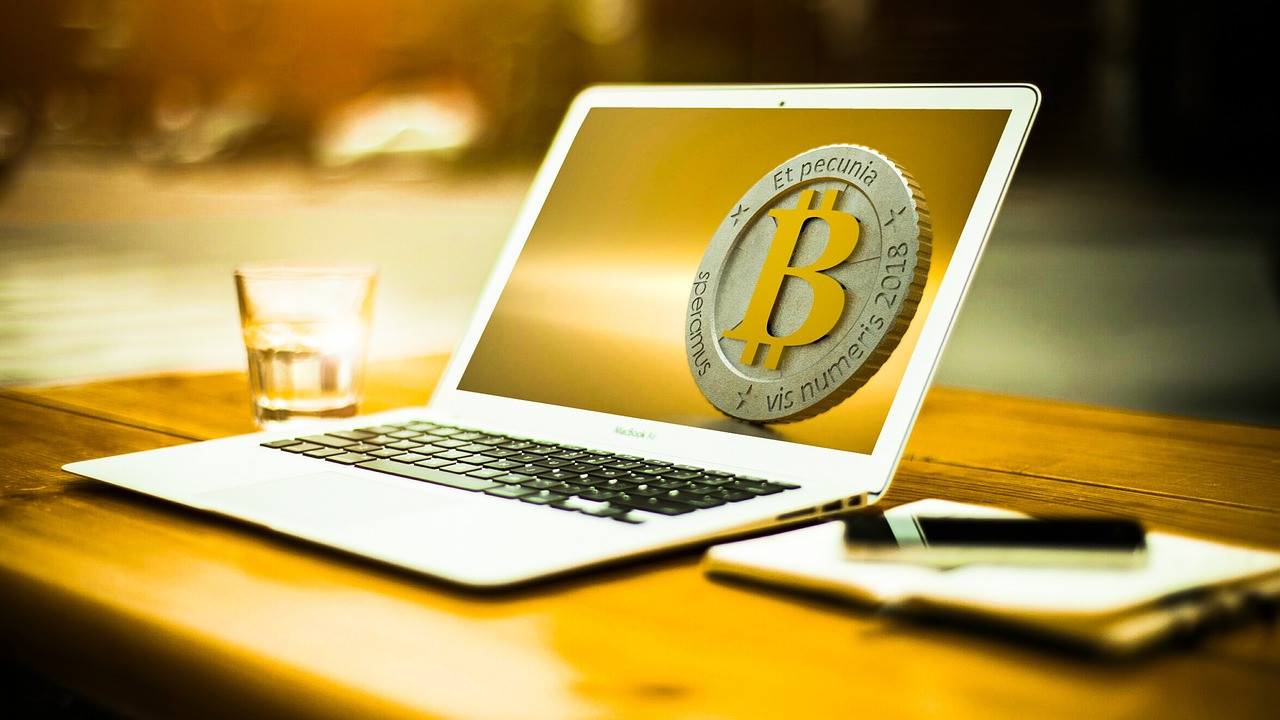
Representative image: Mohamed_hassan / Pixabay
The FBI has blamed North Korea's TraderTraitor hackers for the $6 billion-plus Binance theft; Binance says 90% is replenished and withdrawals resume November 1.
What Happened
The US Federal Bureau of Investigation (FBI) has publicly blamed North Korea for the theft of more than $6 billion in cryptocurrency from the exchange Binance, naming the hacking activity it calls "TraderTraitor" as responsible. In an alert published this week, the FBI, working with the US Secret Service and the tax agency's criminal investigation unit, said the attackers were converting stolen assets mainly into Ether and asked exchanges and other crypto services to block transactions linked to more than 600 Ethereum addresses, just under 20 Bitcoin addresses and one Solana address. Binance said on Saturday, October 31, 2026, that it had replenished 90% of the stolen funds and planned to resume customer withdrawals on Sunday, November 1.
Key Facts
- Attribution: the FBI says North Korea is responsible for the Binance theft and refers to the activity as "TraderTraitor".
- Size: the FBI puts the theft at more than $6 billion; earlier estimates from Binance and other reports put it at about $6.3 billion.
- Laundering: the FBI says stolen assets have been converted mainly into Ether (ETH).
- Request to the industry: the FBI listed more than 600 Ethereum addresses, just under 20 Bitcoin addresses and one Solana address, and asked exchanges, decentralised finance (DeFi) services and analytics firms to block transactions linked to them.
- Independent view: the chief executive of blockchain analysis firm Chainalysis also said the attack was likely the work of TraderTraitor.
- Binance's update: it said on October 31 that it had replenished 90% of the stolen cryptocurrencies and planned to resume withdrawals on November 1.
Why It Matters
When the hack was first disclosed on October 29, Binance said it would cover users' losses but did not name an attacker, and reports only mentioned suspected links to North Korea. The FBI's alert turns that suspicion into an official US government attribution. It matters for three reasons.
First, it shapes the chase for the money. By publishing hundreds of wallet addresses and asking the industry to block them, the FBI is trying to make the stolen funds harder to cash out. Every exchange or service that refuses those transactions shrinks the routes the hackers can use. The fact that the stolen assets are being converted into Ether shows how attackers try to move funds through large, liquid markets before they are frozen.
Second, it shows how much of today's crypto crime is driven by state-linked groups. North Korea has been accused by the United States of running hacking operations to raise money, and this attribution adds what reports describe as the largest crypto theft on record to that list. For ordinary users, it is a reminder that the biggest threats to exchanges are not small-time scammers but well-resourced professional teams that target staff, devices and software.
Third, it affects how users should think about where they keep crypto. Binance's promise to cover losses, and its report that 90% of the funds have been replenished, will reassure many customers. But the episode shows that even the largest exchange can be breached, and that customers depend on the exchange's own reserves and goodwill when things go wrong.
For young Indians who trade or hold crypto, the practical lessons are simple: turn on every security feature the exchange offers, be wary of messages or links claiming to help "recover" funds after a hack, since scammers often exploit big incidents, and avoid keeping more on any single platform than you can afford to have frozen for days.
| Update | Detail |
|---|---|
| Hack disclosed | October 29, 2026, by Binance |
| Attribution | FBI names North Korea's "TraderTraitor" activity |
| Laundering pattern | Stolen assets converted mainly into Ether |
| Addresses flagged | 600-plus Ethereum, nearly 20 Bitcoin, one Solana |
| Binance status | 90% of stolen funds replenished; withdrawals planned from November 1 |
Impact
Short-term: Users will watch whether withdrawals resume on schedule. Exchanges and crypto services that act on the FBI's list may freeze funds linked to the flagged addresses, which could slow the hackers' attempts to cash out.
Long-term: The attribution is likely to add pressure on exchanges to tighten internal security, especially around staff devices and withdrawal systems, and on regulators to demand stronger safeguards for customer funds.
Who is affected: Binance users worldwide, including in India; other exchanges and DeFi services asked to block the flagged addresses; blockchain analysts tracking the funds; and law-enforcement agencies pursuing the money.
Key Takeaway
The FBI has officially blamed North Korea's "TraderTraitor" hackers for the $6 billion-plus Binance theft and asked the crypto industry to block their wallets, while Binance says it has replenished 90% of the stolen funds.
Questions and Answers
Who was behind the Binance hack?
The FBI says North Korea is responsible and refers to the activity as "TraderTraitor". Blockchain analysis firm Chainalysis's chief executive also said the attack was likely the work of that group.
How much was stolen in the Binance hack?
The FBI says more than $6 billion in virtual assets. Earlier estimates from Binance and other reports put the impact at about $6.3 billion.
Will Binance users lose money?
Binance has said it will cover user losses. On October 31, 2026, it said it had replenished 90% of the stolen cryptocurrencies and planned to resume withdrawals on November 1.
What is the FBI asking crypto companies to do?
To block transactions linked to more than 600 Ethereum addresses, just under 20 Bitcoin addresses and one Solana address that it has tied to the hackers.
Disclaimer: Prepared by the Peepals newsroom from publicly available sources with AI assistance. Information is accurate to the best of our knowledge at the time of publication and may change. Images may be representative. Not professional advice. Report an error via our contact page.
By Rhea Malhotra, Digital Life WriterCovers Digital Life and more for Peepals Yuva. All stories by Rhea Malhotra
World Stroke Day: doctors warn strokes now hitting people in their 20s, 30s
BPSC TRE 4.0: 33,320 teacher posts, apply by November 3
Get the day's stories in your inbox
Peepals Weekly: the week decoded, free. One email a week, unsubscribe in one click.
Rhea Malhotra is a pen name of the Peepals Global Editorial Team, which researches, fact-checks and publishes every story. The portrait is an illustration.