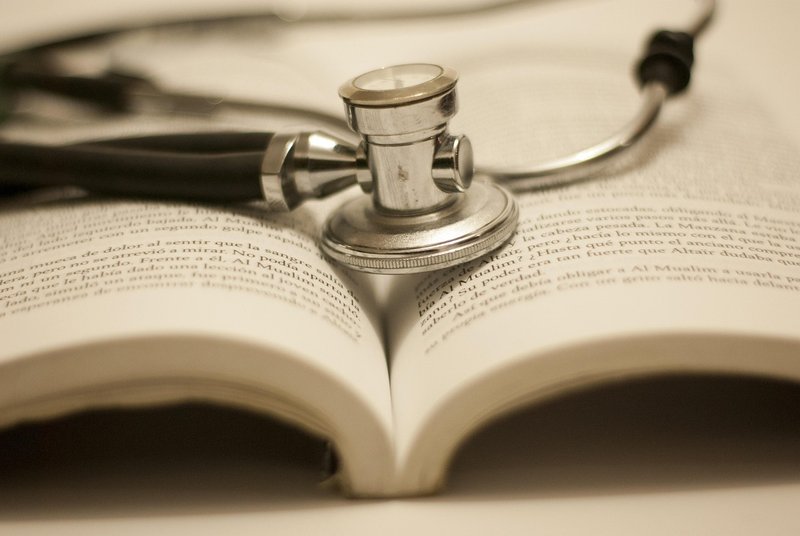

World Stroke Day: doctors warn strokes now hitting people in their 20s, 30s
 By Kabir SethiEducation Correspondent, Peepals Yuva
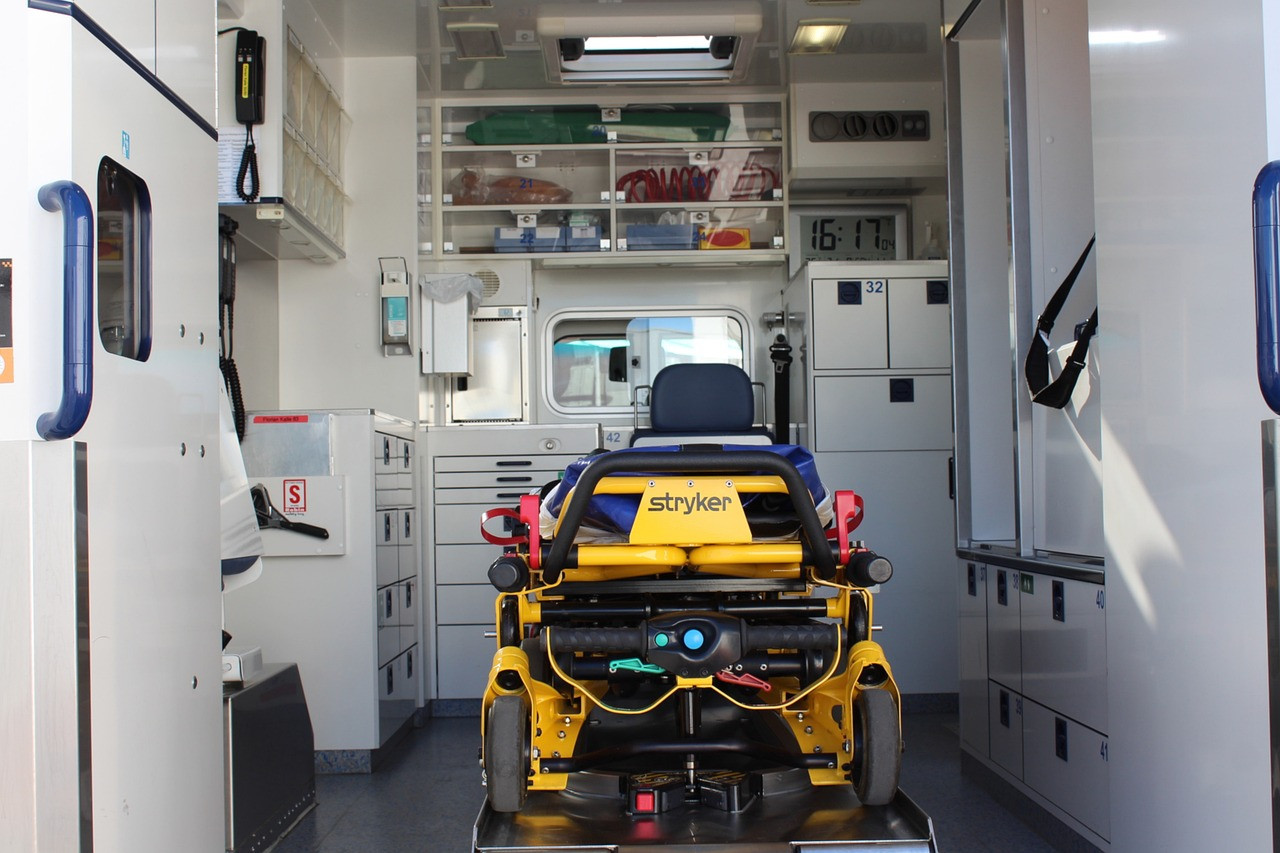
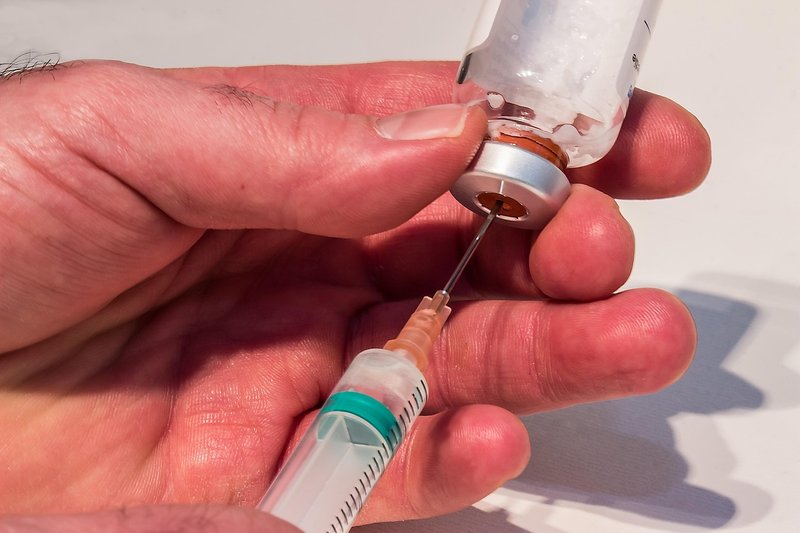
Representative image: AlexDE / Pixabay
On World Stroke Day, October 29, 2026, doctors warned strokes are reaching people in their 20s and 30s and that fewer than 5% of patients reach hospital in time.
What Happened
Doctors across India used World Stroke Day on Thursday, October 29, 2026 to warn that strokes are increasingly affecting people in their 20s and 30s, and that very few patients reach hospital in time for the most effective treatment. In Mumbai, Dr Nitin Dange of Gleneagles Hospital estimated that stroke cases among younger adults have risen by 10-15% since COVID-19, and doctors at the hospital said fewer than 5% of stroke patients in India reach hospital within the critical treatment window. Doctors in Srinagar and Hyderabad raised similar concerns, and experts quoted by ANI called for tobacco control to be built into India's stroke-prevention strategy.
Key Facts
- World Stroke Day was observed on October 29, 2026; one hospital event used the theme "Every M1nute Counts".
- Mumbai: Dr Nitin Dange of Gleneagles Hospital estimated a 10-15% rise in stroke cases among younger adults since COVID-19, a clinical estimate rather than a national statistic.
- He said doctors once saw stroke mainly in people in their 40s and 50s but now see patients in their 20s and 30s.
- Gleneagles doctors said fewer than 5% of stroke patients in India reach hospital within the critical treatment window.
- Doctors noted that eligible patients with an ischaemic stroke (caused by a blocked blood vessel) can receive clot-dissolving medicine within 4.5 hours of symptoms, and selected patients can have a clot removed through a procedure called thrombectomy within 24 hours.
- Risk factors named by doctors included high blood pressure, diabetes, smoking, alcohol, unhealthy diet, physical inactivity and stress; Srinagar doctors added obesity.
- Coverage cited a World Stroke Organization figure that about 15% of strokes occur in people aged 15 to 49.
Why It Matters
Stroke is often thought of as a disease of old age, which is exactly why young people may ignore its warning signs. Doctors stress that the faster a patient reaches treatment, the better the chance of limiting damage. That is why the doctors' figure, that fewer than 5% of patients reach hospital in time, is so worrying.
Doctors in Hyderabad warned that people often dismiss symptoms that last only a few minutes, such as brief weakness or trouble speaking. These can be a transient ischaemic attack, sometimes called a mini-stroke, which may come before a major stroke. Treating such episodes as emergencies gives doctors a chance to prevent a bigger one.
For young readers, the lifestyle link is the key message. Many of the risk factors doctors listed, including smoking, alcohol, poor diet, lack of exercise and stress, are habits that can start early in life. Doctors' estimates of rising stroke among young adults should be read with care, since they come from individual hospitals rather than national data, but the advice that follows from them is consistent.
Doctors urged people to learn the BE FAST check: Balance loss, Eyes or vision changes, Face drooping, Arm weakness, Speech difficulty, and Time to call an ambulance. Anyone who sees these signs in themselves or someone else should call for emergency help at once rather than wait to see if they pass.
| BE FAST sign | What to look for |
|---|---|
| Balance | Sudden loss of balance or dizziness |
| Eyes | Sudden blurred or lost vision |
| Face | One side of the face drooping |
| Arm | Weakness or numbness in one arm |
| Speech | Slurred or confused speech |
| Time | Call an ambulance immediately |
Impact
Short-term: Hospitals held awareness walks and training, including Code Stroke training for paramedical staff in Guntur. The campaigns aim to get more patients to hospital within the treatment window.
Long-term: Experts called for tobacco control to be part of India's stroke-prevention strategy. Better awareness among young people, and faster emergency response, could reduce deaths and disability from stroke.
Who is affected: Young adults with risk factors such as high blood pressure, diabetes, smoking or heavy drinking; their families; and hospitals and ambulance services that must respond within hours.
This report shares doctors' public-health guidance and is not personal medical advice; anyone with symptoms should seek emergency care.
Key Takeaway
On World Stroke Day, October 29, 2026, doctors warned that strokes are reaching people in their 20s and 30s and that fewer than 5% of Indian patients reach hospital in time, urging young people to learn the BE FAST signs.
Questions and Answers
Can young people in their 20s and 30s have a stroke?
Yes. Doctors in Mumbai, Srinagar and Hyderabad said on World Stroke Day 2026 that they are seeing stroke patients in their 20s and 30s, and coverage cited a World Stroke Organization figure that about 15% of strokes occur in people aged 15 to 49.
What are the warning signs of a stroke?
Doctors recommend the BE FAST check: loss of Balance, Eye or vision changes, Face drooping, Arm weakness, Speech difficulty, and Time to call an ambulance immediately.
How quickly should a stroke be treated?
Doctors said eligible patients can get clot-dissolving medicine within 4.5 hours of symptoms starting, and selected patients can have a clot removed within 24 hours. The sooner treatment begins, the better.
What increases the risk of stroke in young adults?
Doctors named high blood pressure, diabetes, smoking, alcohol, unhealthy eating, physical inactivity, stress and obesity as key risk factors.
Disclaimer: Prepared by the Peepals newsroom from publicly available sources with AI assistance. Information is accurate to the best of our knowledge at the time of publication and may change. Images may be representative. Not professional advice. Report an error via our contact page.
By Kabir Sethi, Education CorrespondentCovers Education and more for Peepals Yuva. All stories by Kabir Sethi
Get the day's stories in your inbox
Peepals Weekly: the week decoded, free. One email a week, unsubscribe in one click.
Kabir Sethi is a pen name of the Peepals Global Editorial Team, which researches, fact-checks and publishes every story. The portrait is an illustration.