
Canada study permits: 150,000 student target held for 2027 to 2029
 By Kabir SethiEducation Correspondent, Peepals Yuva
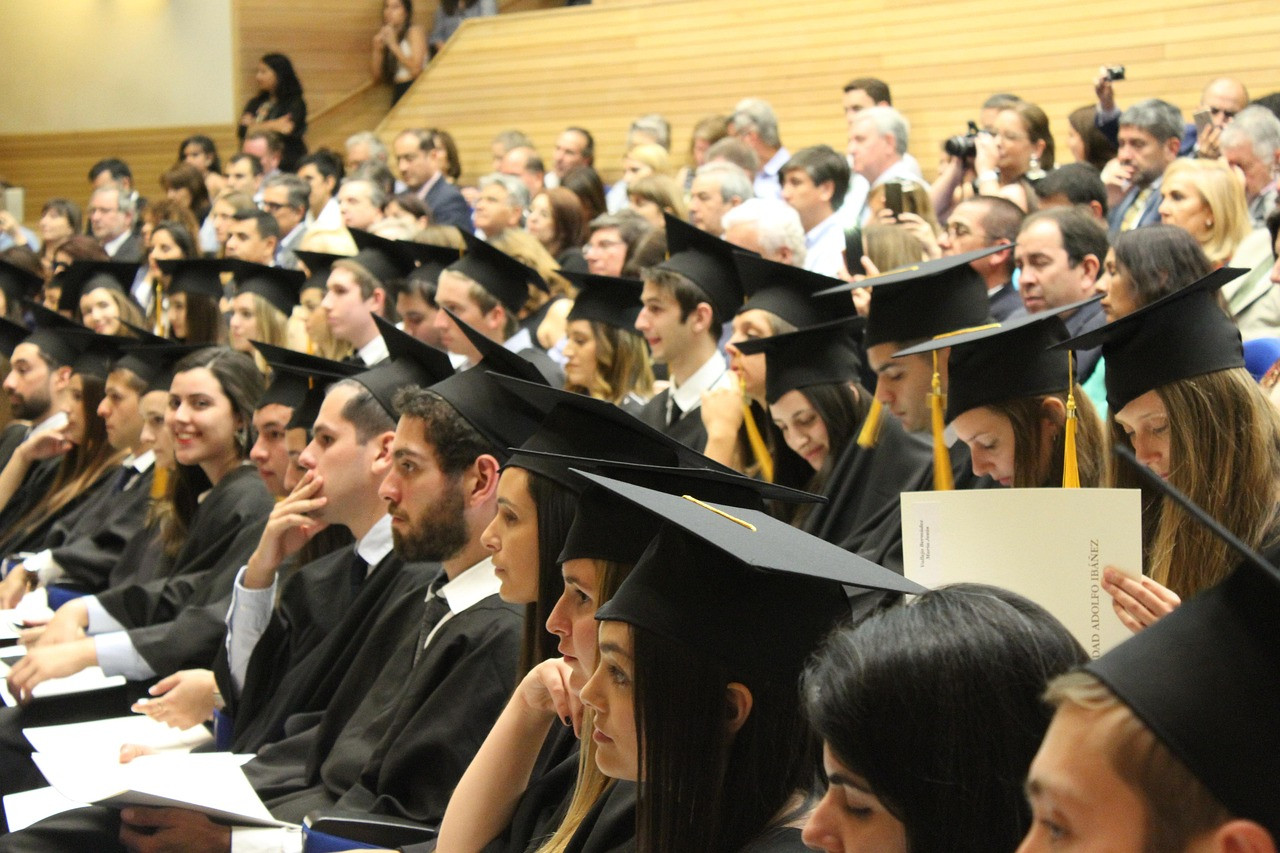
Representative image: marcela_net / Pixabay
Canada's 2027-2029 Immigration Levels Plan, announced on 5 November 2026, keeps new international student arrivals at about 150,000 a year, reports say.
What Happened
Canada will keep its target of about 150,000 new international student arrivals a year through 2027, 2028 and 2029, according to reports on its 2027-2029 Immigration Levels Plan, announced alongside the country's Budget 2026 on Thursday, 5 November 2026. The plan sets a combined target of 370,000 new temporary residents a year, reported as up to 150,000 students and 220,000 workers, and keeps the permanent resident target at 380,000 a year. Some immigration specialists note that the official split between students and workers has not yet been published.
Key Facts
- The plan covers 2027 to 2029 and was announced with Canada's Budget 2026 on 5 November 2026, reports said.
- Target for new temporary resident arrivals: 370,000 a year from 2027 to 2029.
- Students: up to 150,000 new international student arrivals a year, according to reports; the same figure the previous plan set for 2027 and 2028.
- Workers: 220,000 a year, split into 170,000 under the International Mobility Program and 50,000 under the Temporary Foreign Worker Program.
- Permanent residents: 380,000 a year, plus a time-limited measure to grant permanent residence to up to 200,000 people already living in Canada.
- The government still aims to bring temporary residents below 5% of Canada's population by the end of 2027.
- The targets count new arrivals only; they leave out visitors, asylum claimants, permit extensions and applications made from inside Canada.
- New international student arrivals from January to August 2026 were 65,240, down 71% from the same period in 2024, according to one report.
Why It Matters
Canada matters to many Indian students and families weighing study abroad. Its previous plan cut new student arrivals almost in half, to 155,000 for 2026, according to one analysis, and the latest plan shows those limits are here to stay rather than being a short-term measure. For a student in India planning to start a degree or diploma in 2027 or 2028, the message is that competition for a Canadian study permit will remain tight.
It is important to read the 150,000 figure correctly. It is a target for new students arriving in Canada, not the total number of study permits the government will issue. Students already in Canada who extend their permits, or who apply from inside the country, are not counted in it. Immigration specialists have warned applicants not to treat the number as a simple quota of available seats.
The plan also shows where Canada's priorities lie. Permanent residence numbers are held at 380,000 a year, and a one-time measure will allow up to 200,000 people already in Canada to become permanent residents. That could matter for Indian graduates and workers who are already there on temporary permits. At the same time, the cap on new temporary arrivals keeps the overall goal of reducing the share of temporary residents in the population.
What students should do next: check the official website of Immigration, Refugees and Citizenship Canada (IRCC) for the full plan when the 2026 Annual Report to Parliament is released and confirm admission and permit requirements with their chosen institution before paying any fees.
Peepals calculation: if students make up 150,000 of the 370,000 new temporary arrivals, they would be about 41% of the total (150 ÷ 370 ≈ 0.405), with workers at about 59%. Holding 150,000 for 2027 is about 3% below the 155,000 set for 2026 ((155 - 150) ÷ 155 ≈ 0.032). The 65,240 new students who arrived from January to August 2026 equal about 42% of the 2026 target of 155,000 (65,240 ÷ 155,000 ≈ 0.42). Our calculation from the reported figures.
| Category | Annual target 2027-2029 | Note |
|---|---|---|
| New temporary arrivals | 370,000 | Students and workers combined |
| International students | Up to 150,000 | Split not yet officially published |
| Workers (IMP + TFWP) | 220,000 | 170,000 + 50,000 |
| Permanent residents | 380,000 | Plus one-time measure for up to 200,000 |
Impact
Short-term: Colleges and universities in Canada will plan intakes for 2027 within the same tight limits, and Indian applicants will continue to face fewer study permits than before 2024.
Long-term: With the target held to 2029, the tighter intake becomes a lasting feature of Canadian study plans rather than a temporary step. People already in Canada may benefit from the one-time permanent residence measure.
Who is affected: Indian students and families planning to study in Canada; Indian graduates and workers already in Canada on temporary permits; Canadian colleges and universities; and education consultants in India.
What to watch next: Additional details on the 2027-2029 plan, including the formal split between students and workers, will be provided with IRCC's 2026 Annual Report to Parliament, according to reports.
Key Takeaway
Canada's 2027-2029 immigration plan keeps new international student arrivals at about 150,000 a year, extending tight study-permit limits to 2029.
Questions and Answers
How many international students will Canada accept in 2027?
The 2027-2029 Immigration Levels Plan, announced on 5 November 2026, is reported to keep new international student arrivals at up to 150,000 a year for 2027, 2028 and 2029.
Is 150,000 the total number of Canadian study permits?
No. It counts new students arriving in Canada. Permit extensions and applications made from inside Canada are not included in the target.
What is Canada's permanent resident target for 2027?
380,000 a year from 2027 to 2029, plus a time-limited measure to give permanent residence to up to 200,000 people already in Canada.
How has the number of new international students in Canada changed?
According to one report, 65,240 new international students arrived from January to August 2026, 71% fewer than in the same period of 2024.
Disclaimer: Prepared by the Peepals newsroom from publicly available sources with AI assistance. Information is accurate to the best of our knowledge at the time of publication and may change. Images may be representative. Not professional advice. Report an error via our contact page.
By Kabir Sethi, Education CorrespondentCovers Education and more for Peepals Yuva. All stories by Kabir Sethi
Taniya beach wrestling silver: India's first at Youth Olympics, Dakar 2026
CERT-In Android warning: update Android 14 to 17 phones to November patch
Get the day's stories in your inbox
Peepals Weekly: the week decoded, free. One email a week, unsubscribe in one click.
Kabir Sethi is a pen name of the Peepals Global Editorial Team, which researches, fact-checks and publishes every story. The portrait is an illustration.