

J&K Private Universities Rules 2026: 25% domicile quota, 10% scholarships
 By Kabir SethiEducation Correspondent, Peepals Yuva
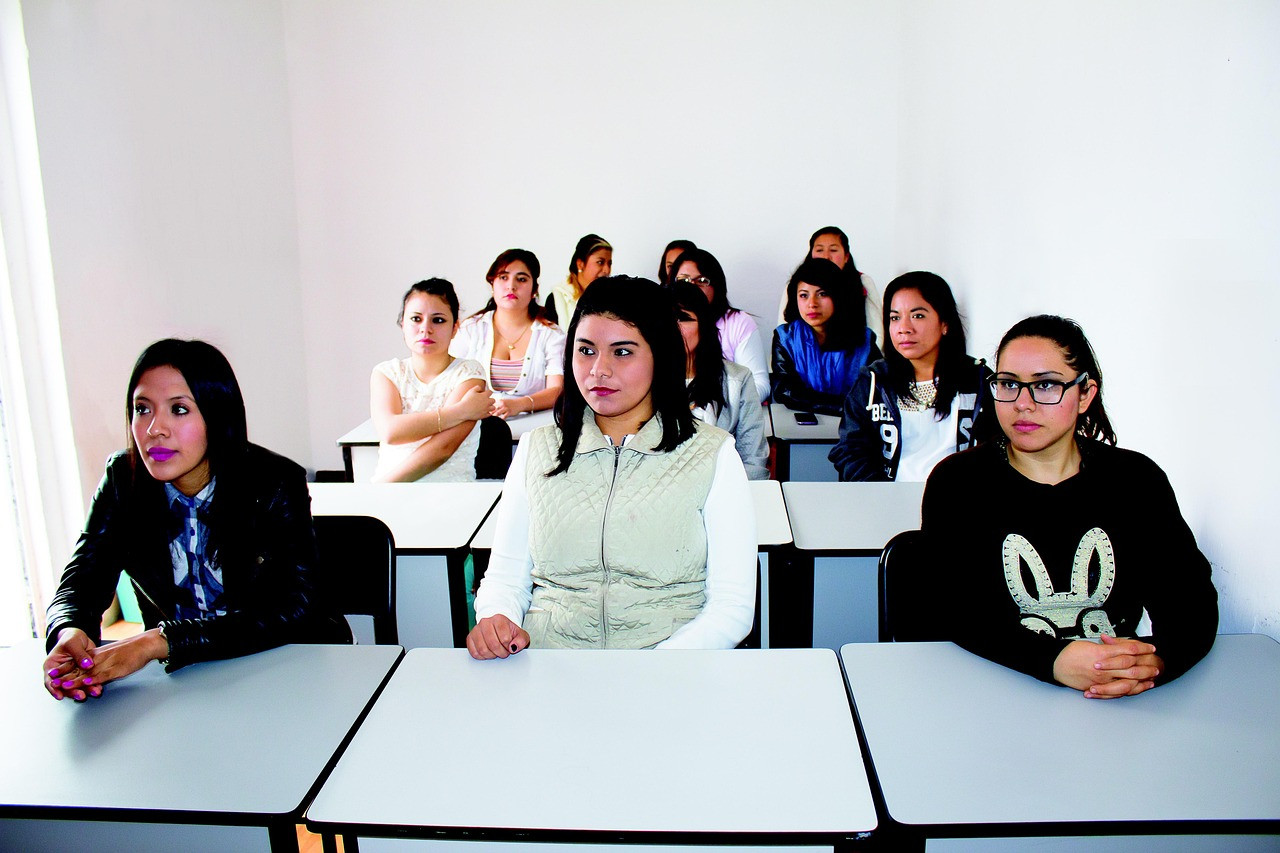
Representative image: uniliderpromocion / Pixabay
Jammu and Kashmir notified its Private Universities Rules, 2026, reported on 7 November: 25% for domiciles, scholarships for 10% of students and a non-profit rule.
What Happened
The Jammu and Kashmir government has notified the Jammu and Kashmir Private Universities Rules, 2026, the detailed rules needed before private universities can be set up in the Union Territory. Reports dated Saturday, 7 November 2026 say the rules reserve 25% for J&K domiciles in private universities, require the universities to run on a non-profit basis, make merit-cum-means scholarships compulsory for at least 10% of students, and place the institutions under a new regulator, the Jammu and Kashmir Private Universities Regulatory Authority. Chief Minister Omar Abdullah congratulated the Education Minister on the notification and called it an important milestone for higher education in the region.
Key Facts
- Rules: Jammu and Kashmir Private Universities Rules, 2026, framed under the Jammu and Kashmir Private Universities Act, 2026.
- Reported: Saturday, 7 November 2026.
- Domicile quota: 25% for J&K domiciles, covering admissions and jobs according to the government's reported summary.
- Category split: allocation inside the domicile quota follows the J&K Reservation Act, 2004 and the Reservation Rules, 2005.
- Scholarships: merit-cum-means scholarships for at least 10% of the student intake.
- Model: universities must run on a non-profit basis and meet University Grants Commission (UGC) standards.
- Regulator: the Jammu and Kashmir Private Universities Regulatory Authority will supervise them.
- Unfilled quota places: one report says seats and posts left vacant under the domicile quota may go to other eligible candidates on merit after the admission or selection process ends.
Why It Matters
Many students from Jammu and Kashmir leave the region for undergraduate and professional degrees at universities in other states. That means high costs for families, long distances from home and a steady outflow of young people. Until now, the Union Territory has had no legal route for private universities to open. The Act passed earlier this year created that route; the rules notified now are the practical rulebook that investors and educational groups need before they can apply.
The domicile quota is the part students will notice first. A guaranteed 25% share means local applicants will not have to compete for every place against students from across the country, if and when large national or international institutions open campuses in J&K. Because the split inside that quota follows the existing reservation law, students from reserved categories also get their share within it.
The scholarship and non-profit rules speak to the biggest worry about private higher education in India: cost. Requiring merit-cum-means scholarships for at least one in ten students, and requiring that the universities do not run for profit, is meant to keep the doors open for capable students from poorer families. The new regulatory authority is meant to make those promises enforceable, by checking finances, facilities and academic standards. How strict that supervision turns out to be will decide whether the rules work as intended.
The jobs side matters too. A share of positions reserved for domiciles could create teaching and staff jobs for local graduates, including PhD holders who now look for work outside the region.
Peepals calculation: in a private university admitting 1,000 students a year, the rules would set aside at least 250 places for J&K domiciles (25% of 1,000) and require merit-cum-means scholarships for at least 100 students (10% of 1,000). Over a four-year undergraduate programme, that would mean at least 400 students on such scholarships at any one time in that university (100 × 4). Our calculation from the reported figures.
| Rule | What it requires |
|---|---|
| Domicile reservation | 25% for J&K domiciles |
| Scholarships | Merit-cum-means, at least 10% of intake |
| Business model | Non-profit |
| Academic standards | UGC norms |
| Oversight | J&K Private Universities Regulatory Authority |
Impact
Short-term: with the rules in place, educational groups can begin preparing proposals to set up private universities in J&K. Students should not expect new campuses immediately; approvals, land, buildings and faculty all take time.
Long-term: if reputed institutions arrive, J&K students could study medicine, engineering, law, management and other subjects closer to home, with a guaranteed local share of places and scholarships for those who need them. The Chief Minister has said the rules could help bring national and international institutions to the region and create more jobs for local youth.
Who is affected: Class 11 and 12 students and their parents in J&K, graduates seeking teaching and staff jobs, educational trusts and investors, and existing government universities, which will face new competition.
Key Takeaway
Jammu and Kashmir's new Private Universities Rules, 2026 open the way for private universities, with 25% reserved for local domiciles, scholarships for at least 10% of students and a non-profit requirement under a new regulator.
Questions and Answers
What do the J&K Private Universities Rules 2026 say about local students?
The rules reserve 25% for J&K domiciles in private universities, with the category-wise split inside that share following the J&K Reservation Act, 2004 and its 2005 rules.
Will private universities in J&K offer scholarships?
Yes. They must give merit-cum-means scholarships to at least 10% of the students they admit.
Who will regulate private universities in Jammu and Kashmir?
A new body, the Jammu and Kashmir Private Universities Regulatory Authority, will supervise them, and the universities must also meet UGC standards.
Can private universities in J&K run for profit?
No. The rules require them to operate on a non-profit basis.
Disclaimer: Prepared by the Peepals newsroom from publicly available sources with AI assistance. Information is accurate to the best of our knowledge at the time of publication and may change. Images may be representative. Not professional advice. Report an error via our contact page.
By Kabir Sethi, Education CorrespondentCovers Education and more for Peepals Yuva. All stories by Kabir Sethi
BGMI Air release date: Krafton sets December 10 for 1GB lite game
Chhattisgarh power company recruitment 2026: 1,501 posts, apply by November 26
Get the day's stories in your inbox
Peepals Weekly: the week decoded, free. One email a week, unsubscribe in one click.
Kabir Sethi is a pen name of the Peepals Global Editorial Team, which researches, fact-checks and publishes every story. The portrait is an illustration.