

Energy drinks and heart risk: AHA study flags 18-34 age group
 By Kabir SethiStaff Writer, Peepals Yuva
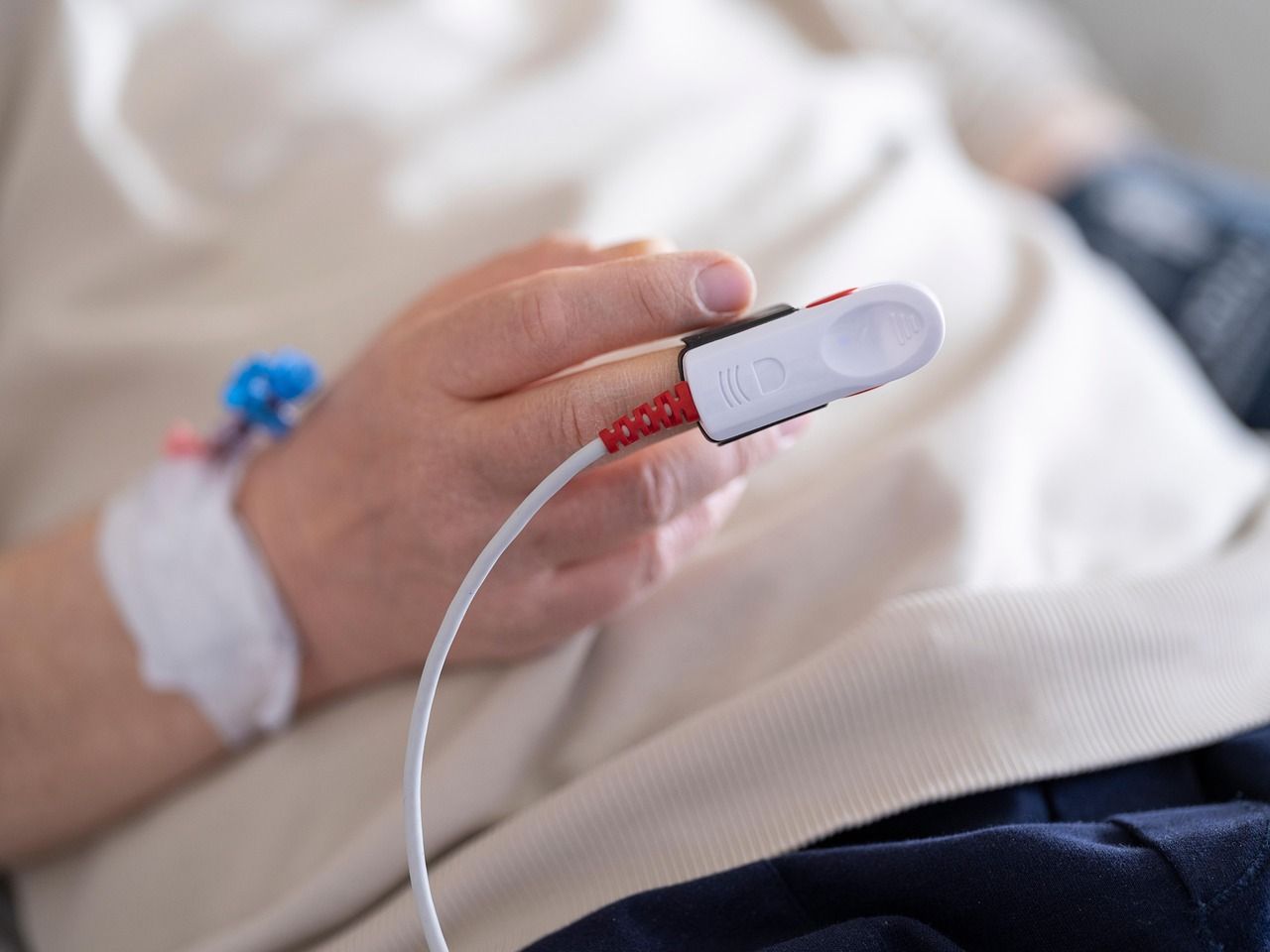
Representative image: Engin_Akyurt / Pixabay
An AHA study found energy drinks and stimulant products appear far more often in FDA reports of cardiac arrest; adults aged 18 to 34 made up 45% of heart-event reports.
What Happened
Energy drinks and stimulant supplements turned up far more often than other products in United States reports of serious heart problems, and young adults aged 18 to 34 made up almost half of those reports, according to preliminary research presented at the American Heart Association's Scientific Sessions 2026. The researchers studied adverse-event reports sent to the US Food and Drug Administration (FDA) from 2017 to 2025. They found that reports involving caffeinated energy drinks and stimulant products mentioned cardiac arrest about 11 times as often as reports involving products without caffeine or stimulants, heart attacks about 4.5 times as often and abnormal heart rhythms about four times as often. The American Heart Association released the findings in its newsroom, and the study was reported widely in early and mid-November 2026.
Energy Drinks: key facts
- Study: preliminary research presented at the American Heart Association's Scientific Sessions 2026 (abstract MDP0323).
- Data: FDA adverse-event reports from 2017 to 2025, described by the AHA as more than 28,000 reports over eight years.
- Cardiac arrest: mentioned about 11 times as often in reports linked to energy drinks and stimulant products (reporting odds ratio 11.15).
- Of 18 cardiac arrest cases linked to these products, seven ended in death.
- Heart attacks were mentioned about 4.5 times as often, and abnormal heart rhythms about four times as often.
- Adults aged 18 to 34 accounted for 45% of the related heart-event reports.
- The researchers said an association in reports does not prove that the products cause heart problems.
Energy Drinks: why it matters
Energy drinks are part of daily life for many students, gym-goers, gamers and young professionals who use them to stay awake, study late or push through a workout. Pre-workout powders and other stimulant supplements are popular in fitness circles. This study does not show that these products cause heart attacks, but it adds to a body of evidence that has made doctors cautious about large doses of caffeine and other stimulants, particularly for young people.
The type of data matters for reading the result correctly. The FDA's adverse-event system collects reports sent in by doctors, companies and the public when something goes wrong after someone uses a product. It does not record how many people used a product without trouble, so it cannot show how likely a heart problem is for any one drinker. What the researchers measured is how often heart problems appear in the reports about energy drinks compared with reports about other products. That is why they describe their numbers as reporting odds, not risk, and why industry voices have stressed that an 11-fold difference in reporting does not mean a consumer is 11 times as likely to suffer cardiac arrest.
Even with those limits, the age pattern stands out. Heart attacks and cardiac arrest are normally associated with older people, yet nearly half the reports in this study involved adults under 35. The researchers have said they do not fully understand why the link appears so often in this age group.
For Indian readers, energy drinks and pre-workout products are widely sold in shops, gyms and online. The study does not tell anyone what to drink or avoid; people with heart conditions or questions about their own health should speak to a doctor.
Peepals calculation: Of the 18 reported cardiac arrest cases linked to energy drinks and stimulant products, seven ended in death, which is about 39% (7 ÷ 18 = 0.389). Our calculation from the reported figures; it describes these reports only, not the chance of death for any drinker.
| Heart event | How often it appeared in reports, versus non-stimulant products |
|---|---|
| Cardiac arrest | About 11 times as often |
| Heart attack | About 4.5 times as often |
| Abnormal heart rhythm | About 4 times as often |
Impact
Short-term: The findings are likely to add to calls for clearer labels on caffeine and stimulant content and for more research on why young adults appear so often in these reports.
Long-term: If later studies, designed to measure actual risk, confirm the pattern, regulators may look again at limits, warnings or sales rules for high-stimulant products, especially those marketed to young people.
Who is affected: Students, athletes, gym-goers and young workers who use energy drinks or stimulant supplements; doctors who treat young heart patients; and companies that make and sell these products.
Key Takeaway
A preliminary American Heart Association study found energy drinks and stimulant supplements appear far more often in FDA reports of cardiac arrest and heart attacks, with adults aged 18 to 34 making up 45% of cases, though it cannot show the products cause them.
Questions and Answers
Do energy drinks cause heart attacks, according to this study?
The study cannot show that. It found that energy drinks and stimulant products appear much more often in FDA reports of heart problems than other products, but the researchers said this association does not prove cause and effect.
Why are young adults mentioned in the energy drinks study?
Adults aged 18 to 34 accounted for 45% of the heart-event reports linked to these products, which is unusual because such events are more common in older people. The researchers said they do not fully understand why.
What data did the American Heart Association study use?
It used adverse-event reports sent to the US Food and Drug Administration between 2017 and 2025, which the AHA described as more than 28,000 reports over eight years.
How much more often was cardiac arrest reported with energy drinks?
About 11 times as often as with products that did not contain caffeine or stimulants. Of 18 such cardiac arrest cases, seven ended in death.
Disclaimer: Prepared by the Peepals newsroom from publicly available sources with AI assistance. Information is accurate to the best of our knowledge at the time of publication and may change. Images may be representative. Not professional advice. Report an error via our contact page.
By Kabir Sethi, Staff WriterCovers Education and more for Peepals Yuva. All stories by Kabir Sethi
Optimizely hack: card-skimming code hit Zoom, BBC, HSBC sites
iDEX iDEAL Internship 2027: Rs 30,000 stipend, apply by November 30
Your week ahead, every Sunday. Free.
Exam and result dates, IPOs opening, scheme deadlines, government holidays and the RBI decision for the next 7 days, plus the week's top stories. One email a week, unsubscribe in one click.
Kabir Sethi is a pen name of the Peepals Global Editorial Team, which researches, fact-checks and publishes every story. The portrait is an illustration.
Responsible for this story: the Peepals Global Editorial Team, led by editor Prashant Sonar. How we report