

Optimizely hack: card-skimming code hit Zoom, BBC, HSBC sites
 By Rhea MalhotraDigital Life Writer, Peepals Yuva
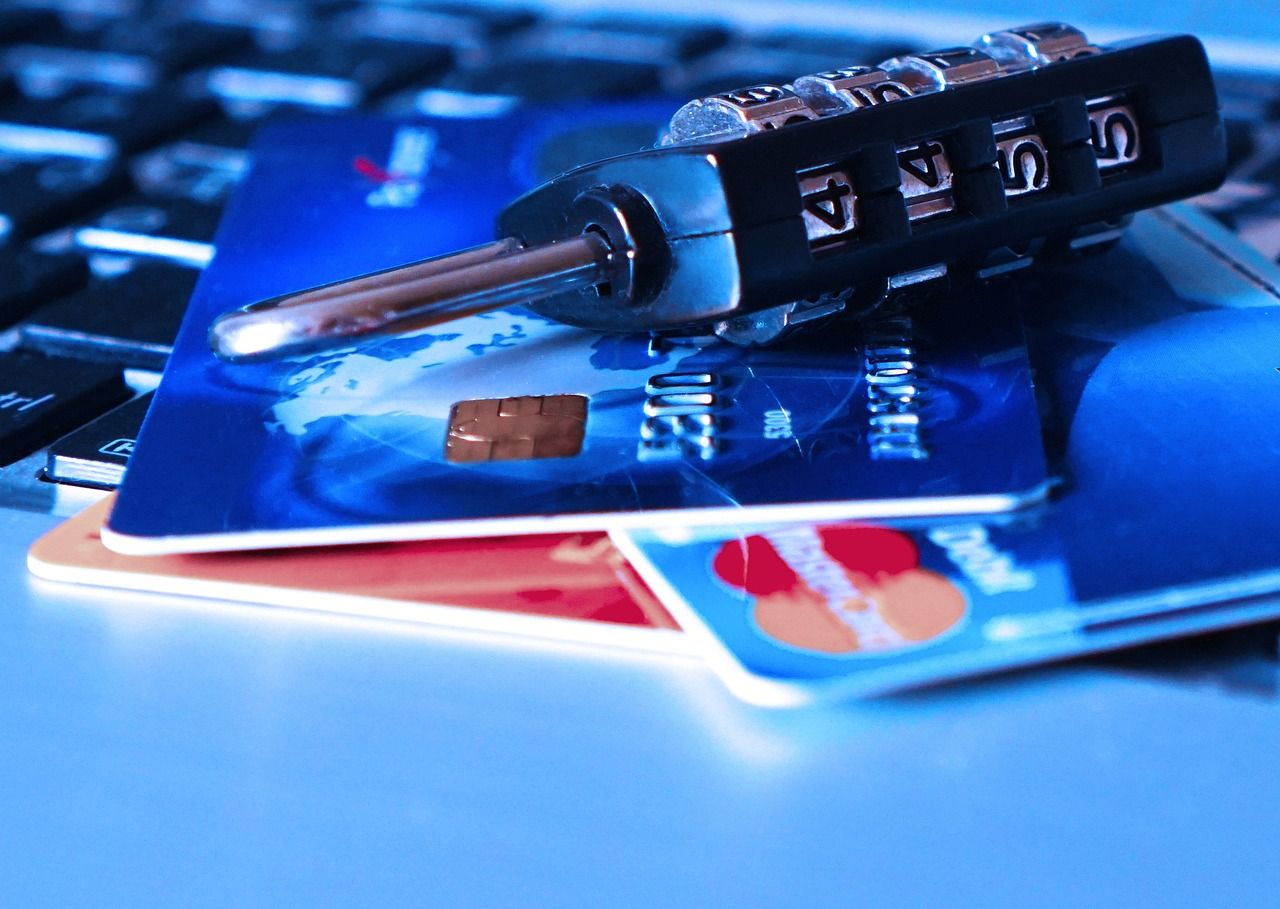
Representative image: TheDigitalWay / Pixabay
Hackers used an Optimizely sign-up flaw on 16 November 2026 to plant code that skimmed cards and swapped crypto addresses on 178 organisations' sites, including Zoom and the BBC.
What Happened
An Optimizely security breach on Monday, 16 November 2026, let hackers slip malicious code into the websites of well-known organisations, including Zoom, the BBC, CNN and HSBC, according to security researchers and the company itself. Optimizely, a firm whose tool lets websites test different versions of their pages, said an unauthorised party exploited a vulnerability in its Experimentation account sign-up process to add code to some customer projects. Security researcher Scott Helme of Report URI said he found the malicious code in 188 of the 1,611 Optimizely code files he checked, belonging to 178 organisations. According to the reports, the code swapped cryptocurrency wallet addresses for the attacker's, copied card numbers typed into payment forms and targeted iPhones and iPads with exploit tools.
Optimizely: key facts
- Date: Monday, 16 November 2026; Zoom's Optimizely snippet was modified that day, according to Scott Helme.
- Scale: malicious code in 188 of 1,611 Optimizely snippets checked, covering 178 organisations.
- Named sites affected, according to reports: Zoom, the BBC, CNN, HSBC, Salesforce, GitLab and the crypto wallet maker Ledger.
- What the code did: replaced crypto wallet addresses, skimmed card numbers typed into sites' own payment forms, and targeted Apple's iOS devices.
- Optimizely's explanation: an unauthorised party exploited a flaw in its Experimentation account sign-up flow.
- Optimizely's response: it said it blocked the vulnerable path and deployed a fix.
- Unknown so far: how many cards or other details reached the attackers, and who was behind the attack.
Optimizely: why it matters
This was a supply-chain attack, meaning the hackers did not break into Zoom or the BBC directly. Instead they got into a tool that those websites load from an outside company. Many large sites use Optimizely to run experiments, for example showing half their visitors one design and half another to see which works better. To do that, every visitor's browser downloads a small piece of Optimizely's JavaScript code. If that code is changed, every visitor to every site that uses it can receive the changed version without the site owner doing anything wrong.
That is why the list of victims looks so mixed: video calling, news, banking and crypto. For ordinary users, it is a reminder that a trusted website can still serve harmful code if one of its suppliers is compromised. The address-swapping part is especially sneaky. A person copying a crypto wallet address to send money could end up pasting the attacker's address instead, and crypto payments usually cannot be reversed. Card skimming, meanwhile, copies card details as they are typed into a form, so the shopper may not notice anything until a strange charge appears.
Optimizely's spokesperson said the company identified a security incident in which an unauthorised party exploited a vulnerability in the Experimentation account sign-up flow, and that it blocked access to the vulnerable path and deployed a fix. One report says it also removed the injected code and secured affected accounts. Researchers say it is still not known how many card numbers or browser cookies were sent to the attackers' server.
For young Indians who shop, pay and trade online on international sites, the practical steps are simple. Check card and bank statements for unfamiliar transactions, use virtual or limited-value cards for online purchases where your bank offers them, double-check the full wallet address before sending crypto, and keep phone software up to date, since the attack reportedly aimed at older iOS versions. These are general safety habits, not a sign that any particular user was hit.
Peepals calculation: Helme found the malicious code in 188 of the 1,611 Optimizely snippets he checked, which is about 11.7% (188 ÷ 1,611 = 0.117), or roughly one in every nine. Our calculation from the reported figures.
| Measure | Reported figure |
|---|---|
| Snippets checked by Scott Helme | 1,611 |
| Snippets with malicious code | 188 |
| Organisations affected | 178 |
| Share of checked snippets infected | About 11.7% (our calculation) |
Impact
Short-term: Affected companies are checking whether customers' card or crypto details were taken, and visitors to the listed sites around 16 November may need to watch their accounts.
Long-term: The attack is likely to push large websites to review how much outside code they load, and to use protections that block unexpected scripts or alert them when a supplier's code changes.
Who is affected: Visitors to the 178 affected organisations' websites, especially those who typed card details or copied crypto addresses there; the companies that use Optimizely; and Optimizely itself.
Key Takeaway
A flaw in Optimizely's sign-up process let hackers push card-skimming and crypto-stealing code onto the websites of 178 organisations, including Zoom, the BBC and HSBC, showing how one supplier's weakness can reach millions of users.
Questions and Answers
What happened in the Optimizely hack?
On 16 November 2026, attackers used a flaw in Optimizely's Experimentation sign-up flow to add malicious JavaScript to some customer projects. The code then ran on the websites of 178 organisations that use Optimizely, including Zoom, the BBC, CNN and HSBC, according to researcher Scott Helme.
What did the malicious Optimizely code do?
According to reports, it swapped cryptocurrency wallet addresses for the attacker's, copied card numbers typed into payment forms on the sites, and targeted Apple iOS devices.
Has Optimizely fixed the problem?
Optimizely said it blocked access to the vulnerable path and deployed a fix. How many card numbers or other details reached the attackers is still not known.
How can I protect myself after the Optimizely attack?
Check bank and card statements for unfamiliar charges, verify the full crypto wallet address before sending money, and keep your phone's software updated. These are general precautions; there is no public list of individual victims.
Disclaimer: Prepared by the Peepals newsroom from publicly available sources with AI assistance. Information is accurate to the best of our knowledge at the time of publication and may change. Images may be representative. Not professional advice. Report an error via our contact page.
By Rhea Malhotra, Digital Life WriterCovers Digital Life and more for Peepals Yuva. All stories by Rhea Malhotra
Punjab Da Crorepati quiz: Rs 1 crore prize, register by November 28
Energy drinks and heart risk: AHA study flags 18-34 age group
Your week ahead, every Sunday. Free.
Exam and result dates, IPOs opening, scheme deadlines, government holidays and the RBI decision for the next 7 days, plus the week's top stories. One email a week, unsubscribe in one click.
Rhea Malhotra is a pen name of the Peepals Global Editorial Team, which researches, fact-checks and publishes every story. The portrait is an illustration.
Responsible for this story: the Peepals Global Editorial Team, led by editor Prashant Sonar. How we report