
IIT Kharagpur plans India's first Physical AI school, worth Rs 35 crore
 By Kabir SethiEducation Correspondent, Peepals Yuva
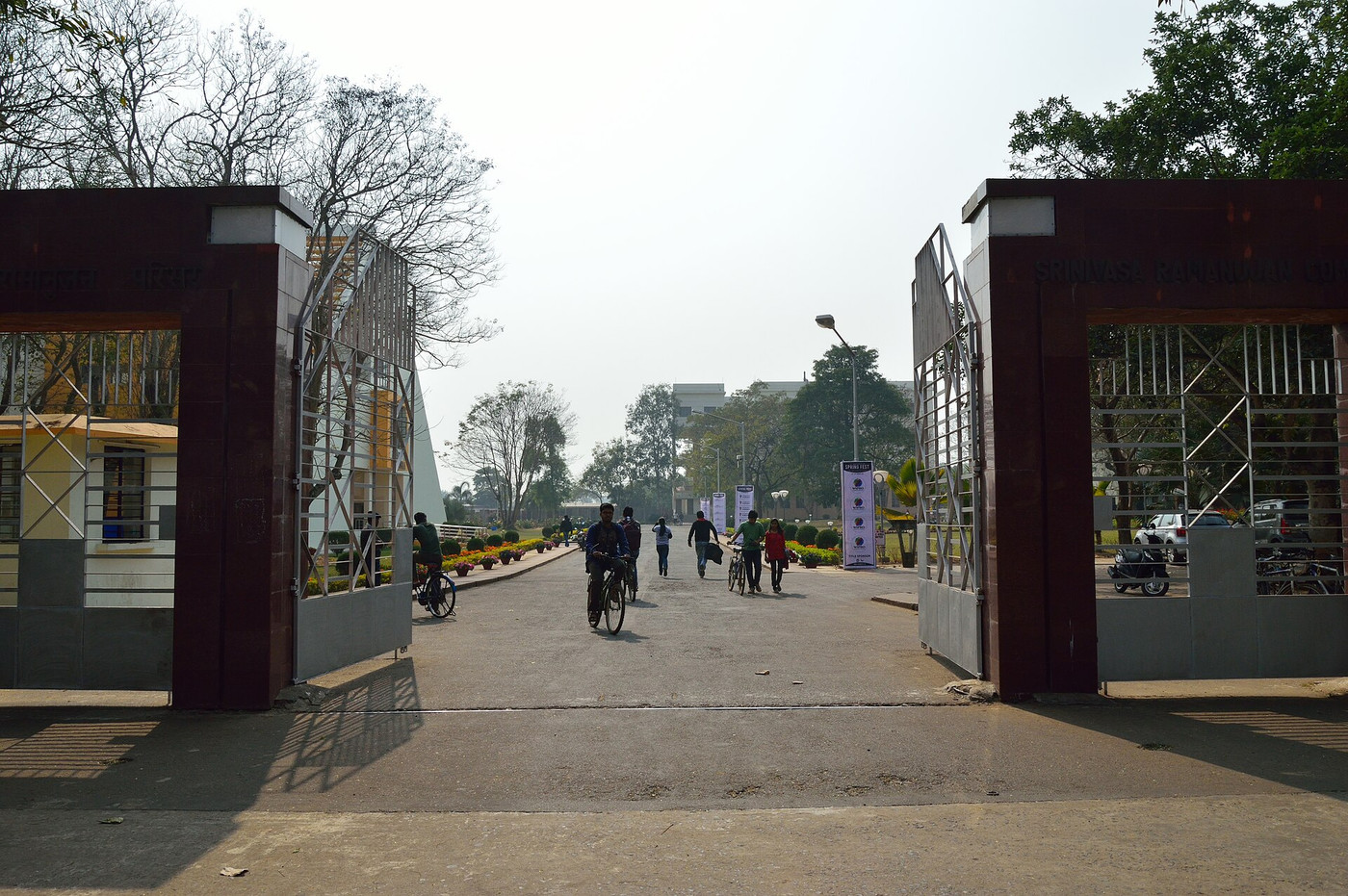
File photo: Biswarup Ganguly (CC BY 3.0), via Wikimedia Commons
IIT Kharagpur announced on October 26, 2026 a Rs 35 crore Benjamin Gupta School of Physical AI for robotics, autonomous systems and scientific AI.
What Happened
The Indian Institute of Technology Kharagpur announced on Monday, October 26, 2026, that it will set up the Benjamin Gupta School of Physical AI, which the institute describes as India's first dedicated academic school for physical artificial intelligence. The school, planned with an investment of Rs 35 crore, will focus on intelligent robotics, autonomous systems and scientific AI. It will also house the institute's Department of Artificial Intelligence. Academic programmes are expected to begin in the coming academic session, subject to the necessary approvals.
Key Facts
- Name: Benjamin Gupta School of Physical AI, at IIT Kharagpur in West Bengal.
- Total investment: Rs 35 crore.
- Funding: Rs 12.5 crore from the Vinod Gupta family, Rs 10 crore from an alumnus who has chosen to stay anonymous, and the remaining Rs 12.5 crore from the institute.
- Focus areas: intelligent robotics, autonomous systems and AI for science.
- Planned offerings: hybrid-mode master's programmes, executive education, professional certificate courses and specialised interdisciplinary modules.
- Open to: students, researchers, working professionals and graduates from engineering, physical sciences, life sciences and medicine.
- Start: in the upcoming academic session, after approvals; one report expects 2027.
Why It Matters
Most of the AI that young people use every day lives on a screen: chatbots, image generators and recommendation apps. "Physical AI" is the term for AI that acts in the real world through machines, such as robots on a factory floor, drones, self-driving vehicles, surgical systems and laboratory equipment that runs experiments by itself. Building such systems needs more than coding. It needs knowledge of sensors, motors, control systems, materials and safety, which is why the school is pitched as interdisciplinary.
For students, the announcement signals where the next wave of jobs may come from. Manufacturing, logistics, agriculture and healthcare are all trying to automate, and they need engineers who understand both AI models and the hardware those models control. A dedicated school at one of the oldest IITs gives that field an academic home in India, rather than leaving it scattered across mechanical, electrical and computer science departments.
The choice of audience is also notable. By opening courses to graduates from the life sciences and medicine, and not only to engineers, the institute is betting that people who understand biology or hospitals can become builders of AI tools for those fields. The hybrid format and executive courses mean working professionals may be able to join without giving up their jobs, though details of fees, eligibility and admission tests have not yet been announced.
Institute director Suman Chakraborty said, "IIT-Kharagpur aspires to lead this transition in India through the Benjamin Gupta School of Physical AI." The funding model, which combines a family gift, an anonymous alumnus and the institute's own money, is an example of the alumni-backed growth that the older IITs are increasingly relying on.
| Source of funds | Amount |
|---|---|
| Vinod Gupta family | Rs 12.5 crore |
| Anonymous alumnus | Rs 10 crore |
| IIT Kharagpur | Rs 12.5 crore |
| Total | Rs 35 crore |
Impact
Short-term: Nothing changes for current applicants yet. Students interested in robotics and AI should watch IIT Kharagpur's official website for course lists, eligibility rules and admission dates once approvals are granted.
Long-term: A specialised school can train a pipeline of engineers and researchers in robotics and autonomous systems, an area where India relies heavily on imported technology. Other institutes may follow with similar schools if this one attracts students and industry partners.
Who is affected: Engineering and science students, working engineers looking to upskill, medical and life-science graduates interested in technology, and companies in manufacturing, mobility and healthcare that need staff with these skills.
Key Takeaway
IIT Kharagpur is setting up a Rs 35 crore school devoted to AI that works through machines in the real world, with hybrid master's and certificate courses expected from the next academic session.
Questions and Answers
What is the IIT Kharagpur School of Physical AI?
It is a new academic school, named the Benjamin Gupta School of Physical AI, announced on October 26, 2026. It will teach and research AI used in robots, autonomous systems and science, and will house the institute's AI department.
What does Physical AI mean?
It refers to artificial intelligence that senses and acts in the physical world through machines, such as robots, drones, autonomous vehicles and automated lab equipment, rather than only producing text or images on a screen.
Which courses will the IIT Kharagpur Physical AI school offer?
Reports list hybrid master's programmes, executive education, professional certificate courses and interdisciplinary modules. Exact course names, fees and eligibility have not been announced.
When will admissions start?
The institute says programmes are expected in the upcoming academic session, subject to approvals. One report expects them in 2027. No admission dates have been announced yet.
Disclaimer: Prepared by the Peepals newsroom from publicly available sources with AI assistance. Information is accurate to the best of our knowledge at the time of publication and may change. Images may be representative. Not professional advice. Report an error via our contact page.
By Kabir Sethi, Education CorrespondentCovers Education and more for Peepals Yuva. All stories by Kabir Sethi
Get the day's stories in your inbox
Peepals Weekly: the week decoded, free. One email a week, unsubscribe in one click.
Kabir Sethi is a pen name of the Peepals Global Editorial Team, which researches, fact-checks and publishes every story. The portrait is an illustration.