
Pennsylvania signs bell-to-bell school phone ban, starts in 2027-28
 By Kabir SethiEducation Correspondent, Peepals Yuva
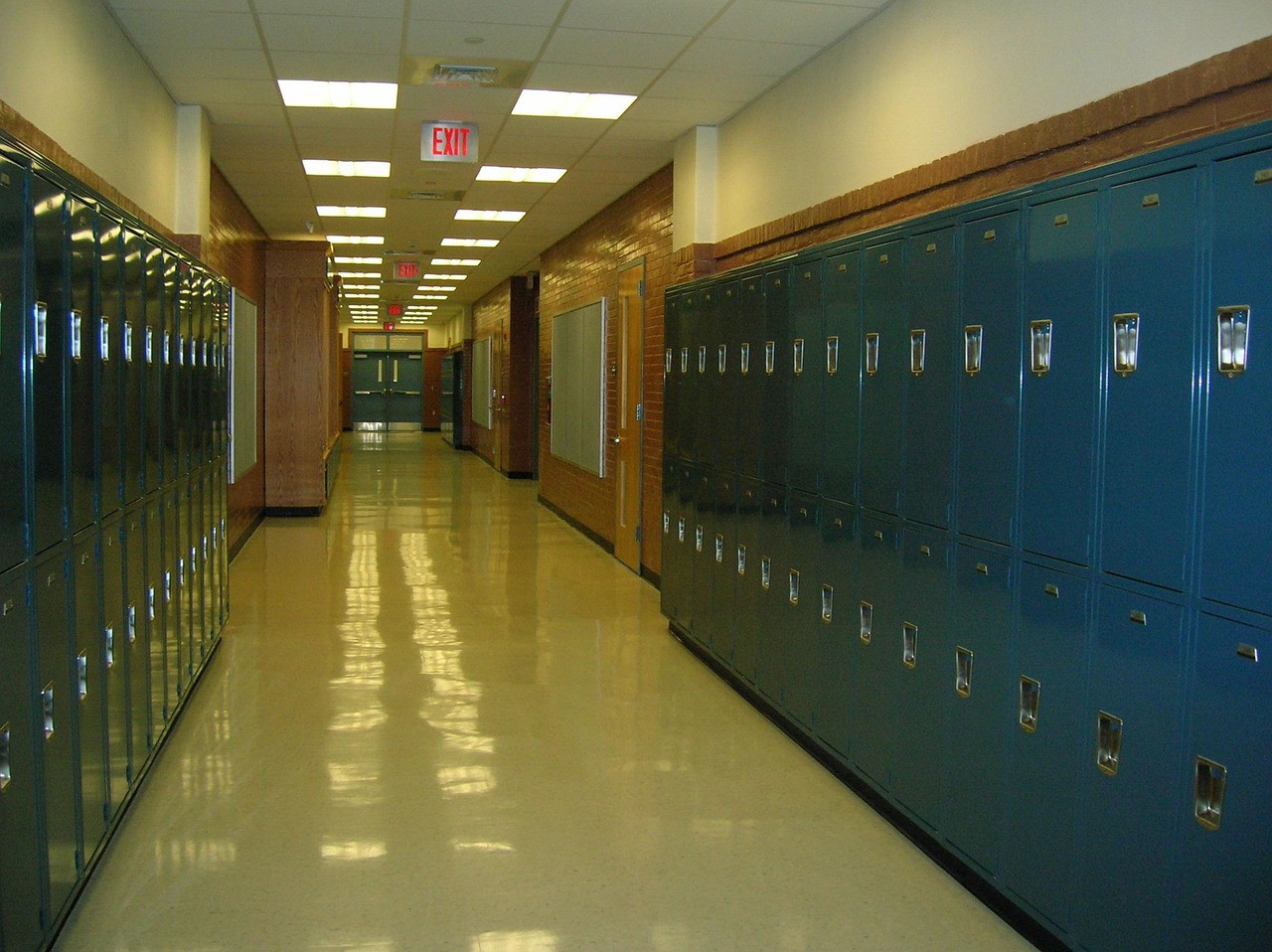
Representative image: elizabethaferry / Pixabay
Pennsylvania Governor Josh Shapiro signed a law on October 26, 2026 banning student phones for the whole school day from the 2027-28 year.
What Happened
Pennsylvania Governor Josh Shapiro signed Senate Bill 1014 on Monday, October 26, 2026, requiring schools across the US state to ban students' cellphones for the whole school day, from the first bell to the last. He signed the law at Lenape Middle School in Bucks County. Schools must have their "bell-to-bell" policies in place for the 2027-28 school year, which gives districts the rest of this year and the next to prepare.
Key Facts
- The law, Senate Bill 1014, was signed by Governor Josh Shapiro on October 26, 2026, at Lenape Middle School in Bucks County.
- It applies to public, private, charter and cyber charter schools, as well as intermediate units and career and technical schools.
- Phones are restricted during lessons, lunch, recess and the time between classes.
- Students with medical needs or disability accommodations can be exempted; some reports also list needs linked to learning English.
- Each school must tell parents in writing how to reach their child during the day and how to sign up for emergency alerts.
- The State Senate passed the bill 47-3 and the State House 141-62.
- Districts decide how to enforce the ban, and the law does not give schools extra money to put it in place.
Why It Matters
Pennsylvania joins a growing list of places that have moved from leaving phone rules to individual schools to setting one rule for everyone. A "bell-to-bell" ban is stricter than the more common "off during class" rule: students cannot use their phones even at lunch or between periods. Supporters of such bans argue that phones distract students, feed social media pressure and make bullying easier to spread during the school day. Critics, including some parents, worry about reaching their children in an emergency, which is why the Pennsylvania law requires schools to explain how families can contact students and get emergency notices.
The wide margins in both chambers (47-3 in the Senate and 141-62 in the House) show that the idea had support well beyond one party. But the law leaves the hardest questions to local districts: whether phones go into lockers, pouches or bags, what happens when a student breaks the rule, and how teachers handle it without extra staff. Because the state is not providing new money, schools that choose lockable pouches or other storage will have to pay from their existing budgets. The long run-up to 2027-28 is meant to give them time to make those choices and consult parents.
For students in India, the debate is a familiar one. Schools and boards here have their own rules on phones in classrooms, and families weigh the same trade-off between safety and distraction. Pennsylvania's law is useful to watch because it covers private as well as public schools and spells out what schools must tell parents, two points that often come up whenever a phone ban is discussed. For a student, the practical lesson is simple: more schools are treating the school day as phone-free time, so study habits, notes and contact plans that do not depend on a phone are worth building now.
The table sets out the main points of the law.
| Point | What the Pennsylvania law says |
|---|---|
| Start | Policies in place for the 2027-28 school year |
| Who is covered | Public, private, charter, cyber charter, career and technical schools |
| When phones are restricted | Class time, lunch, recess and between classes |
| Exceptions | Medical needs and disability accommodations |
| Parents | Written notice on how to reach students and get emergency alerts |
Impact
Short-term: School districts in Pennsylvania now have to draw up their own bell-to-bell policies, choose how phones will be stored, and set penalties, all without additional state funding.
Long-term: From the 2027-28 school year, students across the state will spend the full school day without access to their phones, and the results will add to the evidence other governments use when deciding on similar rules.
Who is affected: Students and parents in Pennsylvania's public, private and charter schools, teachers and school administrators who must enforce the rule, and policymakers elsewhere watching how statewide bans work.
Key Takeaway
Pennsylvania's new law, signed on October 26, 2026, makes every school in the state phone-free for the whole school day from 2027-28, but leaves enforcement and costs to local districts.
Questions and Answers
What does the Pennsylvania school cellphone ban do?
Senate Bill 1014, signed by Governor Josh Shapiro on October 26, 2026, requires schools to restrict students' cellphones for the entire school day, including lessons, lunch, recess and the time between classes.
When does the ban start?
Schools must have their bell-to-bell policies in place for the 2027-28 school year.
Are any students exempt?
Yes. Students with medical needs or disability accommodations can be exempted, and some reports say needs related to learning English are also covered.
How will parents reach their children?
Each school must give parents written information on how to contact students during the school day and how to sign up for emergency notifications.
Disclaimer: Prepared by the Peepals newsroom from publicly available sources with AI assistance. Information is accurate to the best of our knowledge at the time of publication and may change. Images may be representative. Not professional advice. Report an error via our contact page.
By Kabir Sethi, Education CorrespondentCovers Education and more for Peepals Yuva. All stories by Kabir Sethi
Instagram tests 90-minute horizontal videos called Features to rival YouTube
Priyanshu Moliya, 21, hits 321 not out to break Baroda's Ranji record
Get the day's stories in your inbox
Peepals Weekly: the week decoded, free. One email a week, unsubscribe in one click.
Kabir Sethi is a pen name of the Peepals Global Editorial Team, which researches, fact-checks and publishes every story. The portrait is an illustration.