
Norway's under-16 social media ban to cover harmful games such as Roblox
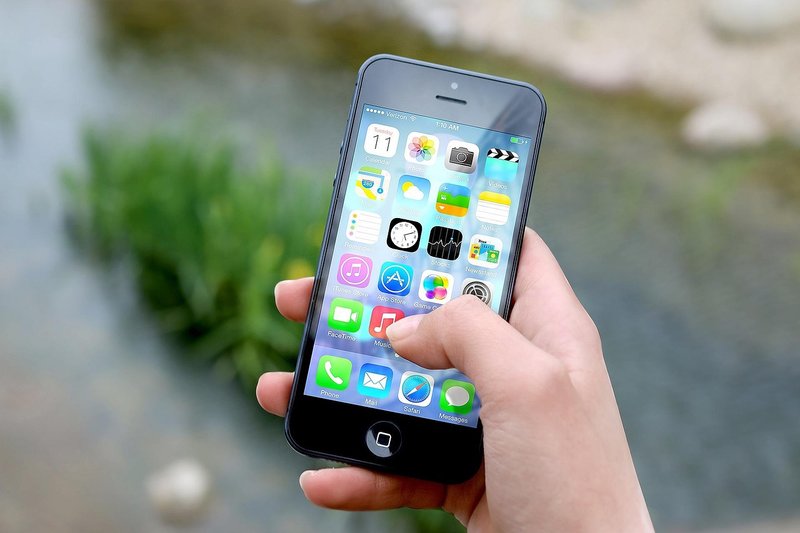
Representative image: fbogner / Pixabay
Norway said on October 19, 2026 its planned under-16 social media ban will also cover games and messaging apps judged harmful, naming Roblox, TikTok and Snapchat.
What Happened
Norway's government said on Monday, October 19, 2026 that its planned ban on social media for children under 16 will also apply to online games and messaging services that it judges harmful. The country's Children and Families Ministry named TikTok, Snapchat and the gaming platform Roblox as services that would likely be covered. Children and Families Minister Lene Vågslid said the legislation was nearly complete, and the bill is due to go to parliament by the end of 2026.
Key Facts
- Announcement: October 19, 2026, by Norway's Children and Families Ministry.
- The proposed ban applies to children under 16.
- Platforms named as likely covered: TikTok, Snapchat and Roblox; the ministry did not list other apps.
- Games and messaging apps were earlier expected to get broad exemptions; the government now plans to judge each platform by its risk to children.
- The ministry defines a harmful platform as "social media that, through its design, features or content, poses a risk to children's emotional, cognitive or physical development or safety."
- Services judged harmless, such as messaging apps used for school communication, would remain open to children.
- Technology companies would be responsible for checking users' ages; the bill is due in parliament by the end of 2026.
Why It Matters
Most of the age limits debated around the world so far target social networks, where users post and follow each other. Norway's decision matters because it widens the idea of "social media" to include gaming platforms and chat apps. Roblox is not a single game but a platform where users play and build games made by others and talk to each other, which is why governments increasingly treat it as a social space and not only as entertainment.
The key change is the test the government will use. Instead of listing types of apps, Norway plans to look at what a service does: its design, its features and its content. A platform that, in the ministry's words, poses a risk to a child's emotional, cognitive or physical development or safety would fall under the ban, whatever it calls itself. That approach is harder to dodge by relabelling a product, but it also leaves room for argument about which services qualify.
The plan to put age checks on technology companies is the other big piece. Age verification means confirming a user's age before allowing an account, for example through identity documents or other checks. Placing that duty on the platforms, not on parents, shifts the cost and the legal risk to the companies. It also raises privacy questions, because stronger checks usually mean collecting more personal data.
For young people in India, Norway's move is part of a wider trend. Several countries are writing age limits into law, and the debate over whether games and chat apps belong in those limits will likely reach other places. For students and young creators, the practical lesson is to understand the safety settings on the apps they use, and for parents, to know which platforms combine games with open chat.
| Item | Norway's plan, as announced on October 19, 2026 |
|---|---|
| Age limit | Under 16 |
| Named platforms | TikTok, Snapchat, Roblox |
| Test | Risk to children from design, features or content |
| Exemptions | Harmless messaging apps and games, such as school messaging |
| Age checks | Duty on technology companies |
| Timeline | Bill to parliament by end of 2026 |
Impact
Short-term: Platforms that operate in Norway, including Roblox, Snap and TikTok's owner ByteDance, will study the bill and may lobby on how risk is defined. Reuters reported that the companies did not immediately respond to requests for comment.
Long-term: If passed, the law would put gaming platforms inside Norway's social media age limit. Other governments may copy the risk-based test, and companies may redesign features such as open chat for younger users to stay outside the ban.
Who is affected: Children and teenagers under 16 in Norway and their parents, schools that use messaging apps, gaming and social media companies, and policymakers in other countries drafting similar laws.
Key Takeaway
Norway's planned under-16 social media ban will judge platforms by their risk to children and is set to include games and messaging apps such as Roblox, with age checks placed on technology companies and the bill due by the end of 2026.
Questions and Answers
What is Norway's under-16 social media ban?
It is a proposed law that would stop children under 16 from using social media platforms judged harmful. On October 19, 2026 the government said it will also cover risky games and messaging apps, and the bill is due in parliament by the end of 2026.
Will Roblox be banned for under-16s in Norway?
The government named Roblox, along with TikTok and Snapchat, as a platform likely to be covered. The final list depends on the bill and on how each platform is assessed for risk to children.
Will children in Norway still be able to use messaging apps?
The ministry said messaging services and games judged harmless would stay open to children, giving apps used for school communication as an example.
Who will check users' ages under Norway's plan?
The bill would make technology companies responsible for verifying users' ages, rather than leaving it to parents.
Disclaimer: Prepared by the Peepals newsroom from publicly available sources with AI assistance. Information is accurate to the best of our knowledge at the time of publication and may change. Images may be representative. Not professional advice. Report an error via our contact page.
Sourced and fact-checked by the Peepals Global Editorial Team
Reported, fact-checked and published by the Peepals Global Editorial Team.