

Peptides: RFK Jr lets US pharmacies make six unapproved wellness injections
 By Rhea MalhotraDigital Life Writer, Peepals Yuva
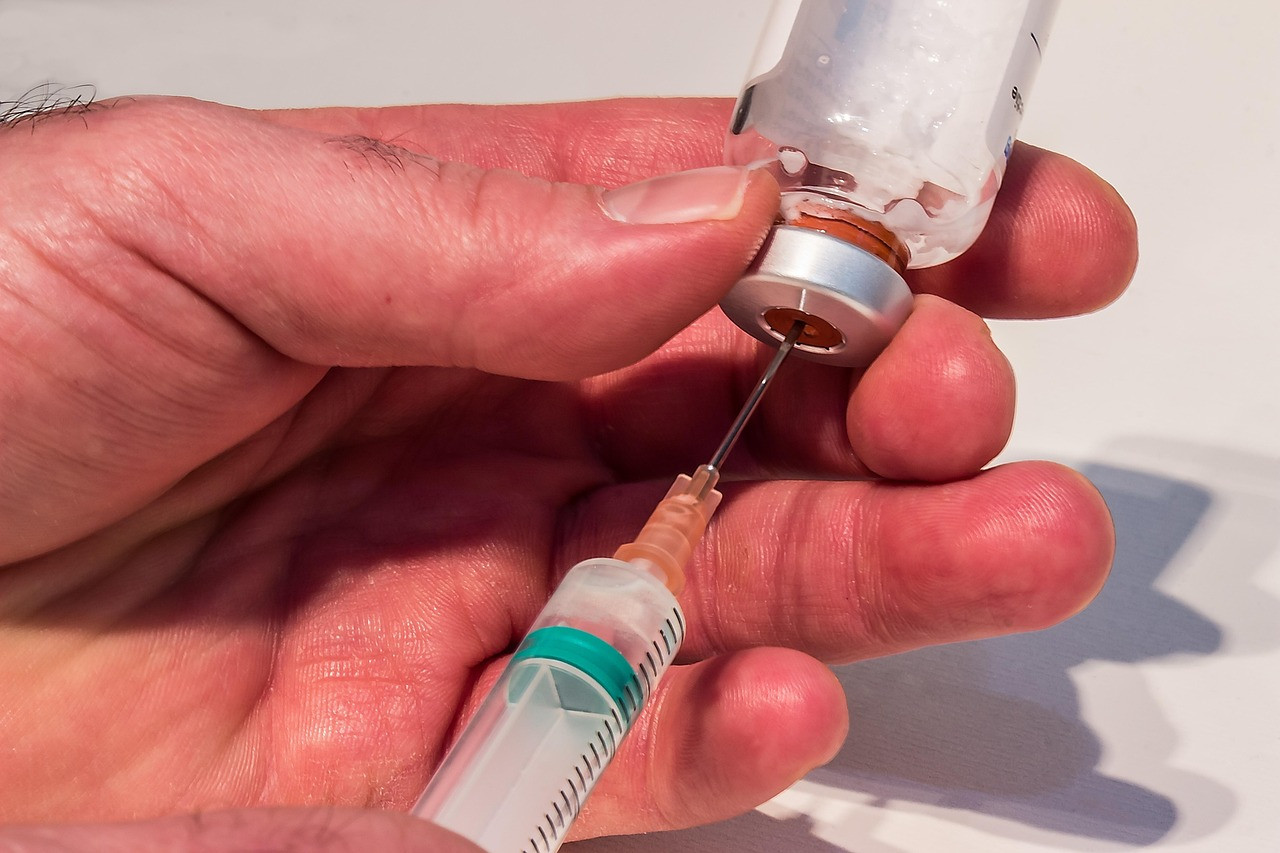
Representative image: Myriams-Fotos / Pixabay
On October 28, 2026, the US let compounding pharmacies make six unapproved peptides, including BPC-157, despite FDA scientists' objections.
What Happened
Peptides, the injectable compounds sold in the wellness world for muscle growth, injury healing and energy, became easier to obtain in the United States on Wednesday, October 28, 2026. US Health Secretary Robert F. Kennedy Jr. said he had determined that compounding pharmacies may prepare six peptides that have no approval from the Food and Drug Administration (FDA): BPC-157, TB-500, KPV, MOTS-c, Semax and Epitalon. The policy tells the FDA not to act against licensed pharmacies that make them on a prescription, even though the agency's own scientists opposed the change.
Key Facts
- The Department of Health and Human Services (HHS) issued the policy on October 28, 2026, as an "enforcement discretion" notice: a promise not to take legal action, not a change in the law.
- It covers six peptides: BPC-157, TB-500, KPV, MOTS-c, Semax and Epitalon. None of them is approved by the FDA.
- The notice was due to be published in the US Federal Register on October 30, with public comments taken for two weeks after that, according to a legal analysis of the notice.
- FDA scientific staff had little say in the decision and opposed it, according to six people familiar with how it was drawn up.
- In July 2026, an FDA advisory panel voted 8 to 6, with one abstention, to put these peptides on the list of substances considered safe for pharmacy compounding, against the advice of FDA scientists who said evidence of safety and effectiveness was lacking.
- HHS said the policy requires prescriptions for individual patients, traceable ingredients, quality testing and reporting of side effects.
Why It Matters
Peptides are short chains of amino acids, the building blocks of proteins. Some peptide medicines are fully tested and approved, such as insulin. The six in this policy are different: they have been promoted online by fitness influencers, "biohackers" and longevity sellers, with claims that they repair tendons, build muscle, sharpen focus or slow ageing. That is why "peptides" was among the searches trending in the United Kingdom on October 29, and why the topic reaches young gym-goers far outside the US.
Compounding pharmacies mix medicines to order for a specific patient. In the US they may normally use only substances on an official list. FDA reviewers had looked at BPC-157 and reported that the studies behind it were short, used small groups of people and tested doses that were likely exploratory. In plain terms, there is not yet good proof that it works in humans, or of what long-term use does. The new policy does not change that evidence. It only changes whether regulators will step in.
The decision is also a step back from what HHS first wanted. According to people involved, officials had planned for the FDA to write a formal regulation adding BPC-157 and the others to the approved compounding list. That process needs rounds of public comment and can take years. Enforcement discretion is faster, but it can also be withdrawn more easily. It was not clear whether the formal route will still be followed.
Critics questioned both the process and the timing. Robert Steinbrook of the consumer group Public Citizen said the move undermines the FDA. Peter Lurie, a former FDA official, questioned why it came days before the US midterm elections. Kennedy has called himself a fan of peptides and has said he has used them himself.
For Indian readers, the policy has no legal effect in India, where medicines are regulated separately. But the online market for these products is global, and claims made in US videos and posts travel fast. A US decision not to prosecute pharmacies is not the same as proof that a product is safe.
| Product | What it is promoted for online | US status after October 28 |
|---|---|---|
| BPC-157 | Injury and tendon healing | Not FDA-approved; pharmacies may compound on prescription |
| TB-500 | Recovery and healing | Not FDA-approved; same policy applies |
| MOTS-c, Epitalon | Energy, metabolism, "anti-ageing" | Not FDA-approved; same policy applies |
| Semax, KPV | Focus, inflammation | Not FDA-approved; same policy applies |
Impact
Short-term: Licensed US pharmacies can make the six peptides for patients with a prescription without fear of FDA action, and sellers are likely to market them more openly. Public comments on the notice run for about two weeks after its October 30 publication.
Long-term: Unless the peptides are formally added to the compounding list through rulemaking, the policy depends on HHS keeping it in place. Regulators, doctors and researchers will be watching side-effect reports, which the policy requires pharmacies to file, for the first real data on wider use.
Who is affected: Young adults and athletes who follow fitness and wellness content, US patients and doctors, compounding pharmacies, and regulators in other countries who must deal with products bought online across borders.
Key Takeaway
The US has stopped acting against pharmacies that make six unapproved wellness peptides, but the FDA's own scientists say the evidence that these products are safe and effective is still missing.
Questions and Answers
What did RFK Jr. decide about peptides on October 28, 2026?
US Health Secretary Robert F. Kennedy Jr. said licensed compounding pharmacies may make six unapproved peptides, BPC-157, TB-500, KPV, MOTS-c, Semax and Epitalon, on a prescription, and told the FDA not to take enforcement action against them.
Does this mean the FDA has approved these peptides?
No. None of the six is FDA-approved. The policy is "enforcement discretion", a decision not to prosecute, and it does not change the law or add the peptides to the official compounding list.
Why did FDA scientists oppose the move?
FDA reviewers said the studies on BPC-157 were short, small and used exploratory doses, and that there was not enough evidence of safety and effectiveness. Staff also had little input into the decision, according to people familiar with it.
Does the US peptide policy apply in India?
No. It applies only to pharmacies in the United States. Medicines in India are regulated by Indian law, and the US decision is not evidence that these products are safe.
Disclaimer: Prepared by the Peepals newsroom from publicly available sources with AI assistance. Information is accurate to the best of our knowledge at the time of publication and may change. Images may be representative. Not professional advice. Report an error via our contact page.
By Rhea Malhotra, Digital Life WriterCovers Digital Life and more for Peepals Yuva. All stories by Rhea Malhotra
Get the day's stories in your inbox
Peepals Weekly: the week decoded, free. One email a week, unsubscribe in one click.
Rhea Malhotra is a pen name of the Peepals Global Editorial Team, which researches, fact-checks and publishes every story. The portrait is an illustration.