Supreme Court warns states of contempt over menstrual hygiene in schools
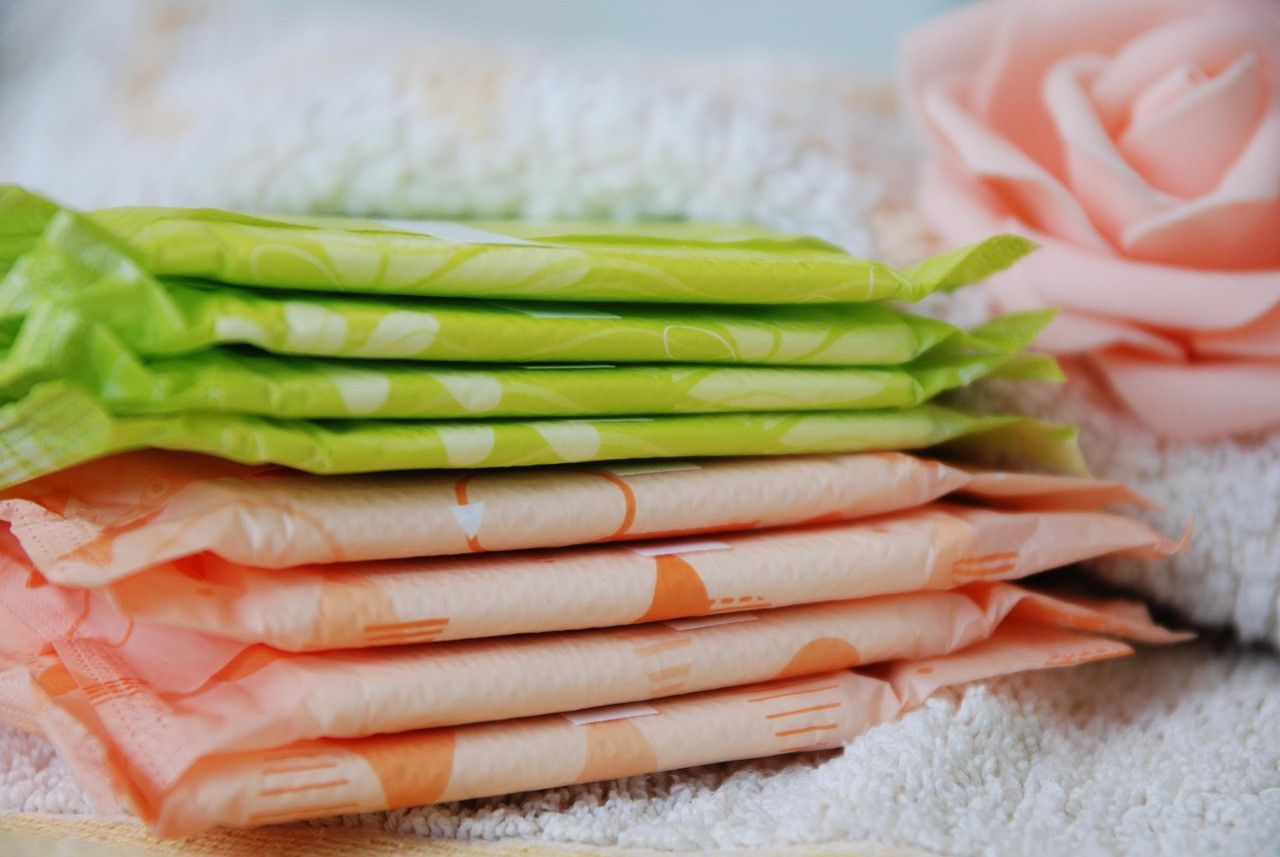
Representative image: Satyress / Pixabay
On October 13, 2026 the Supreme Court gave states a last chance to report on free pads and girls' toilets in schools, warning Chief Secretaries of contempt.
What Happened
The Supreme Court of India has given states and Union Territories "one last opportunity" to report how they are carrying out its January ruling on menstrual hygiene in schools, and has warned that their Chief Secretaries will face contempt notices if they stay silent. A bench of Justices J.B. Pardiwala and R. Mahadevan passed the order on Tuesday, October 13, 2026, after Additional Solicitor General Aishwarya Bhati told the court that the Union government had written to every state and Union Territory asking for compliance details but had received no reply. The court asked the Union to prepare a questionnaire so that each state and Union Territory answers in a uniform way, and listed the case for its next hearing on Monday, December 14, 2026.
Key Facts
- The case is Dr. Jaya Thakur v. Government of India, a public interest petition filed in 2022.
- On January 30, 2026, the same bench held that menstrual health is part of the right to life and dignity under Article 21 of the Constitution.
- That judgment directed all states and Union Territories to make sure schools give adolescent girls biodegradable sanitary napkins free of cost.
- It also required functional, separate toilets for girls with water, safe disposal of used products, and menstrual hygiene management corners stocked with spare innerwear, spare uniforms and disposable bags.
- The directions cover girls in Classes 6 to 12 in government, government-aided and private schools, according to reports of the judgment.
- On October 13, 2026, the court said it would issue contempt notices to Chief Secretaries of states and Union Territories that still have not responded by the next hearing.
- The next hearing is set for December 14, 2026.
Why It Matters
For millions of girls, a period is still a reason to miss school. Without a working toilet, a lock on the door, water to wash, a place to throw away a used pad or a spare set of clothes after a leak, many girls simply stay at home for a few days each month. Those missed days add up across a school year, and they fall hardest on girls from poorer homes who cannot easily buy sanitary products. The court itself pointed to dropout and absenteeism among girls when it issued its January directions.
The January judgment was significant because it moved menstrual health out of the category of welfare schemes and into the language of fundamental rights. Once a need is treated as part of Article 21, the state cannot treat it as optional. The court also kept the case open as a "continuing mandamus", a legal tool that lets judges keep checking whether their orders are actually being followed, rather than closing the file once a ruling is delivered.
The October 13 order shows why that tool was needed. Nine months after the ruling, the Union government told the court that its letters to the states had gone unanswered. In an earlier order on September 1, the court had already criticised some state replies as a mere formality, saying that some states had offered only statistics or yes-or-no answers instead of real detail on what was happening in schools. A standard questionnaire is meant to end that problem by asking every state the same questions in the same format.
The threat of contempt is a serious step. A contempt notice to a Chief Secretary, the top civil servant of a state, puts personal responsibility on the officer who heads the administration. Courts usually reach for it only after repeated delays.
| What the January judgment asks of schools | Requirement |
|---|---|
| Sanitary products | Free biodegradable sanitary napkins for adolescent girls |
| Toilets | Functional, separate toilets for girls, with water |
| Disposal | Environmentally safe disposal of used products |
| Hygiene corners | Spare innerwear, spare uniforms, disposable bags and other materials |
Impact
Short-term: State education departments now have a firm deadline. Before December 14, they are expected to collect school-level data, answer the Union's questionnaire and show what has actually been delivered: how many schools have separate toilets that work, how many supply free pads, and how waste is handled.
Long-term: If the court keeps up its monitoring, schools could see sustained funding and attention for basic facilities that have often been neglected. Regular reporting would also give parents, teachers and local officials a clearer picture of which districts are falling behind, and make it harder for the issue to slip off the agenda.
Who is affected: Schoolgirls in Classes 6 to 12 and their families; school heads and teachers who must run the facilities; state education and health departments; and Chief Secretaries, who now carry personal responsibility for replying to the court.
Key Takeaway
Nine months after declaring menstrual health a fundamental right, the Supreme Court has told states to prove they are delivering free pads, clean toilets and hygiene corners in schools by December 14, or face contempt.
Questions and Answers
What did the Supreme Court say about menstrual hygiene on October 13, 2026?
A bench of Justices J.B. Pardiwala and R. Mahadevan gave states and Union Territories one last chance to report how they are implementing its January 2026 menstrual hygiene judgment, and warned that Chief Secretaries of those that do not respond will face contempt notices at the next hearing on December 14, 2026.
Is menstrual health a fundamental right in India?
Yes. In its January 30, 2026 judgment in Dr. Jaya Thakur v. Government of India, the Supreme Court held that menstrual health is part of the right to life and dignity under Article 21 of the Constitution.
What must schools provide to girls under the ruling?
Free biodegradable sanitary napkins, working separate toilets for girls with water, a safe way to dispose of used products, and menstrual hygiene corners stocked with spare innerwear, spare uniforms and disposable bags.
What can parents do if their daughter's school lacks these facilities?
Parents can raise it with the school head and the school management committee, and with the district education office, pointing to the Supreme Court's January 2026 directions, which states must now report on before the court's December 14 hearing.
Disclaimer: Prepared by the Peepals newsroom from publicly available sources with AI assistance. Information is accurate to the best of our knowledge at the time of publication and may change. Images may be representative. Not professional advice. Report an error via our contact page.
Sourced and fact-checked by the Peepals Global Editorial Team
When grown children struggle at work, parents' mental health suffers too, study finds
Portugal passes six months of fully paid parental leave, but only if parents share it
Reported, fact-checked and published by the Peepals Global Editorial Team.