
First travel survey: young students walk less, cycle more as they reach college
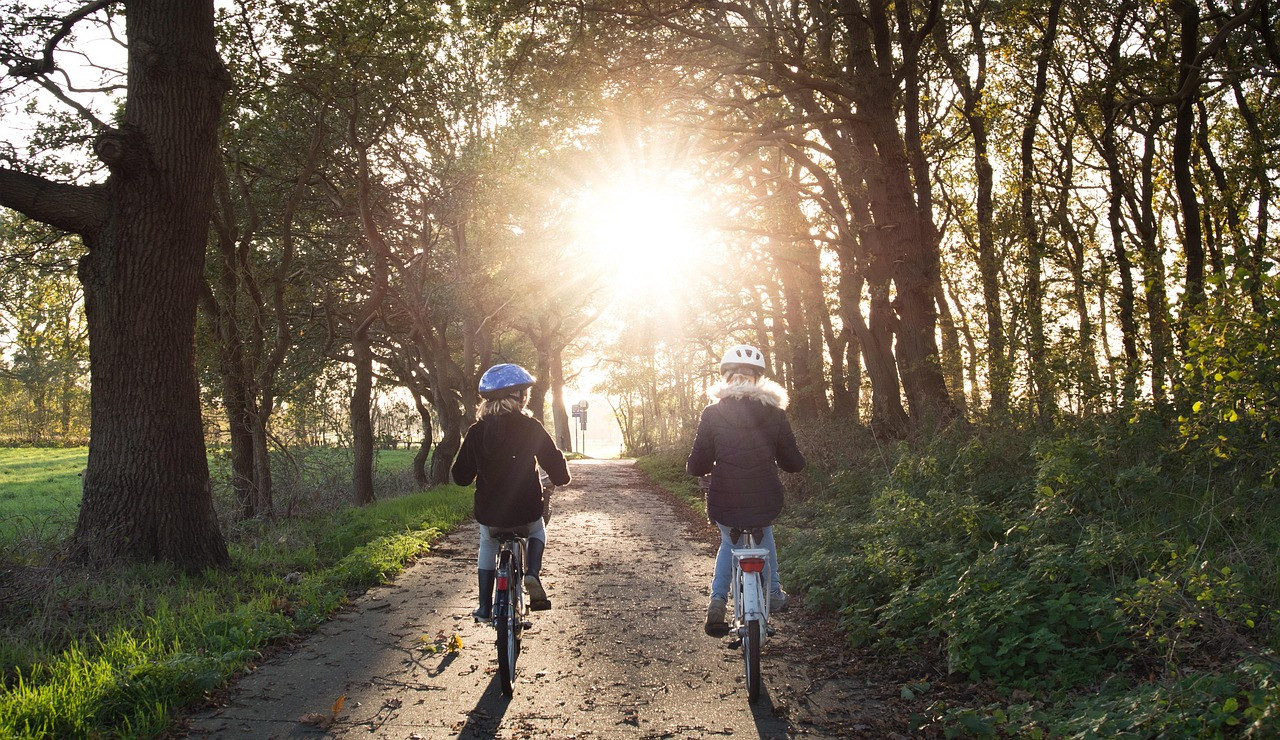
Representative image: ClickerHappy / Pixabay
India's first household travel survey, released October 5, 2026, finds walking falls to 22.2% and cycling rises to 21.4% among students aged 15-29.
What Happened
India's first National Household Travel Survey, released on Monday, October 5, 2026 by the National Statistics Office under the Ministry of Statistics and Programme Implementation (MoSPI), shows that young people are the country's most regular travellers, and that how they get around changes sharply as they grow up. Students aged 15 to 29 record the highest share of regular trips to a place of study of any group: 79.1 per cent in rural India and 73.3 per cent in urban India. As they move from school into college, walking gives way to cycling and motor vehicles. The survey covered the period from July 2025 to June 2026 and counted only journeys longer than one kilometre.
Key Facts
- The National Household Travel Survey is the first of its kind in India; the ministry released its key findings as a factsheet on October 5, 2026.
- A "trip" in the survey means travel of more than 1 km, so short walks to a nearby school are not counted.
- Among all students aged six and above, walking is the most common way to reach a place of study (37.0 per cent), followed by buses (29.5 per cent) and bicycles (15.8 per cent).
- For students aged 6 to 14, walking accounts for 47.3 per cent and bicycles for 11.9 per cent.
- For students aged 15 to 29, walking falls to 22.2 per cent while bicycles rise to 21.4 per cent.
- Students spend about 23 minutes on an average journey (23 minutes in rural areas, 22 in urban areas), and 87.6 per cent reach their destination within 30 minutes.
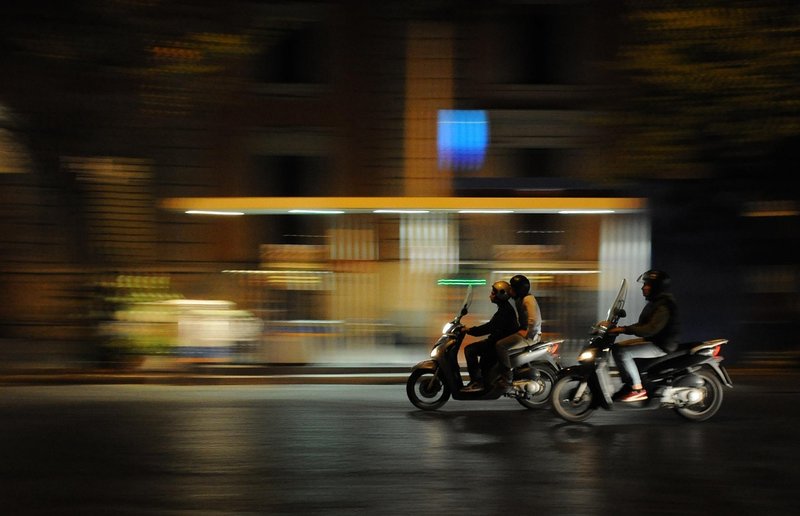
- Among workers travelling to a fixed workplace, two-wheelers are the main mode: 42.6 per cent nationally, 37.1 per cent in rural areas and 52.3 per cent in cities.
Why It Matters
Most surveys about young Indians ask what they buy, watch or post. This one records something more basic: how they physically move through an ordinary day. For a generation that spends long hours on screens, the daily trip to college or coaching class is often the main block of movement in the day. The data suggests that for many young people that movement is still active. Walking and cycling together account for more than four in ten education trips in the 15 to 29 age group.
The age split is the most telling part. Younger children walk far more than older students, probably because schools tend to be closer to home. Once students reach college age, distances grow and the bicycle becomes the leading active option. The next step, for those who start working, is the two-wheeler, which more than half of urban workers rely on. Put simply, the survey traces a path from walking to pedalling to riding, and every step along it reduces the physical activity built into the day.
That has health implications. Walking or cycling to class is exercise that needs no gym membership and no extra time. A 23-minute journey on foot or by cycle each way adds up to a meaningful amount of exercise over a week. When the same trip shifts to a scooter or motorbike, that activity disappears unless it is replaced deliberately.
The figures also matter for cities and colleges. Safe footpaths, cycle lanes, secure cycle parking and reliable buses near campuses decide whether a student keeps walking or cycling, or moves to a motor vehicle early. The survey gives planners, for the first time, a national baseline to measure such choices against.
| Age group | Walk | Bicycle |
|---|---|---|
| Students 6-14 | 47.3% | 11.9% |
| Students 15-29 | 22.2% | 21.4% |
| All students 6+ | 37.0% | 15.8% |
Impact
Short-term: Students, parents and colleges now have official national figures on how young Indians travel to study, which can inform choices such as cycling to class, campus parking rules and shuttle services.
Long-term: Repeated rounds of the survey could show whether young people keep active commuting habits or switch to two-wheelers sooner, a shift that would affect fitness, road safety, fuel spending and air quality.
Who is affected: School and college students aged 6 to 29, young workers entering the job market, parents, educational institutions, and urban and transport planners.
Key Takeaway
India's first household travel survey shows young students are the country's most regular travellers, and that walking gives way to cycling and then two-wheelers as they move from school to college to work.
Questions and Answers
What is the National Household Travel Survey?
It is India's first nationwide survey of how households travel, carried out by the National Statistics Office under MoSPI between July 2025 and June 2026. Its key findings were released on October 5, 2026. It counts only trips longer than 1 km.
How do students aged 15 to 29 get to their place of study?
According to the survey's factsheet, 22.2 per cent of students in this age group mainly walk and 21.4 per cent mainly cycle. That makes walking and cycling together the main mode for more than four in ten of them.
How long does an average student commute take?
About 23 minutes, the survey found, with rural students averaging 23 minutes and urban students 22 minutes. Around 87.6 per cent of students reach their destination within 30 minutes.
How do young people's travel habits change once they start working?
Among workers going to a fixed workplace, two-wheelers are the main mode for 42.6 per cent nationally and 52.3 per cent in urban areas. This suggests many young people move from walking or cycling to motor vehicles when they enter the workforce.
Disclaimer: Prepared by the Peepals newsroom from publicly available sources with AI assistance. Information is accurate to the best of our knowledge at the time of publication and may change. Images may be representative. Not professional advice. Report an error via our contact page.
Sourced and fact-checked by the Peepals Global Editorial Team
India U-17 women need a draw vs Malaysia on Oct 11 to reach Asian Cup finals
Malaysia and Grab fund RM160 million package to lift gig workers' pay
Reported, fact-checked and published by the Peepals Global Editorial Team.