
Tele-MANAS crosses 47.7 lakh calls; nearly three in four callers are aged 18 to 45
 By Kabir SethiStaff Writer, Peepals Yuva
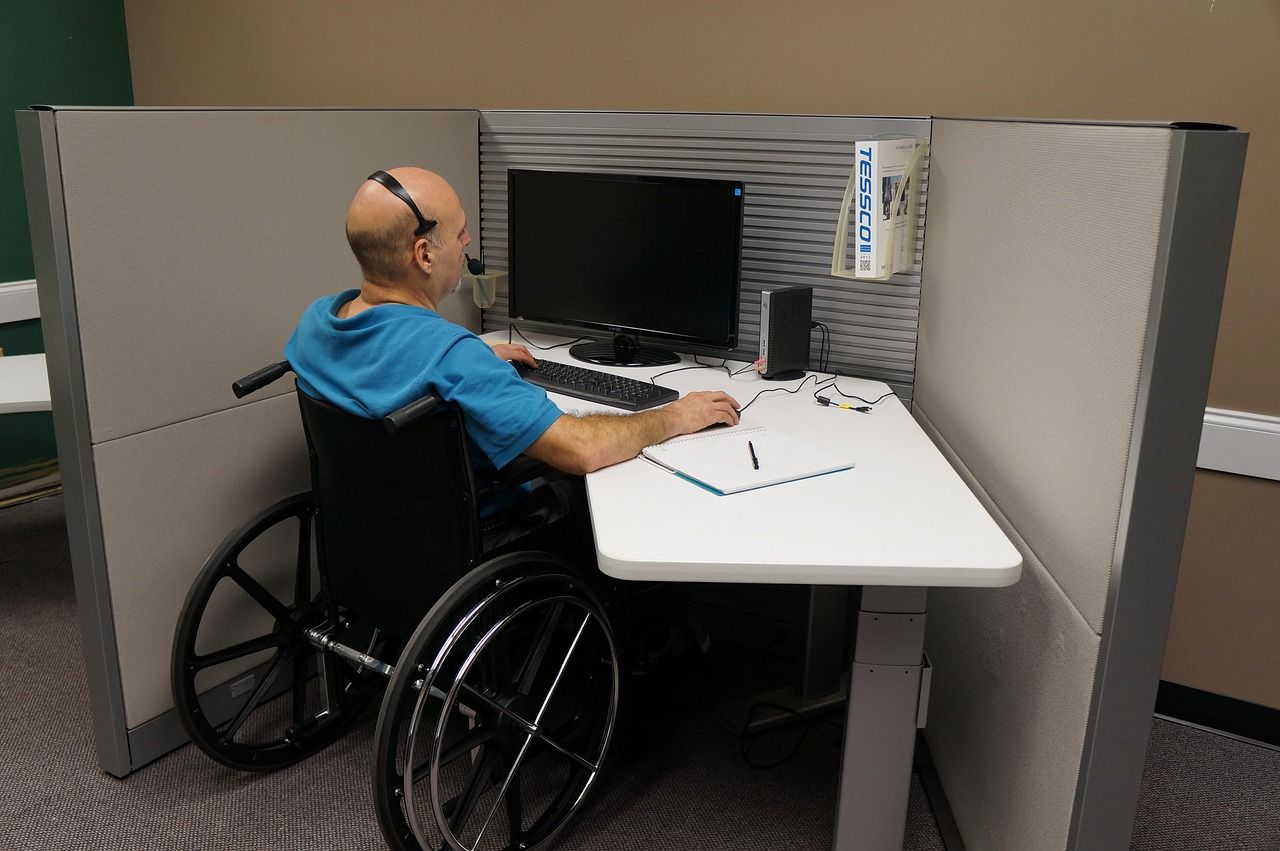
Representative image: dickusvi / Pixabay
India's Tele-MANAS mental health helpline has received over 47.75 lakh calls, with 73.2% from people aged 18-45, the Health Ministry said on October 9, 2026.
Tele-MANAS: what happened
India's national mental health helpline, Tele-MANAS, has received 47,75,644 calls since it was launched, the Union Health Ministry said on Friday, October 9, 2026, ahead of World Mental Health Day on October 10. The ministry said 73.2 per cent of callers were young and working-age adults aged 18 to 45. The most common reasons people called were emotional distress, exam and workplace stress, relationship problems, anxiety and sleep difficulties. The helpline now runs 53 cells covering all 36 states and Union Territories and can be reached free, round the clock, on 14416 or 1-800-891-4416.
Tele-MANAS: key facts
- Total calls since launch: 47,75,644, according to the Health Ministry.
- People aged 18 to 45 made up 73.2 per cent of callers.
- Common concerns: emotional distress, exam and workplace stress, relationship issues, anxiety and sleep problems.
- Network: 53 operational Tele-MANAS cells across all 36 states and Union Territories.
- Access: 24 hours a day, seven days a week, in several languages, on 14416 or 1-800-891-4416.
- The ministry is also running MANN Jaagriti, a community programme to improve mental health awareness, reduce stigma and encourage people to seek help early, including through schools and colleges.
- This year's World Mental Health Day theme is "Lived experiences heard: real voices, real change".
Tele-MANAS: why it matters
The numbers say something simple and important: young adults are reaching out. Nearly three of every four calls came from people between 18 and 45, the age group dealing with exams, first jobs, career pressure, relationships, moving cities and, for many, living alone for the first time. The reasons people gave, from exam stress to trouble sleeping, are the everyday strains of that stage of life, not only severe illness.
That matters because stigma has long kept many young Indians from talking about their mental health. A free, anonymous phone line lowers the barrier: there is no appointment, no cost and no need to explain anything to family first. The volume of calls suggests that when help is easy to reach, people use it.
The helpline is also a first step, not a full answer. A phone counsellor can listen, help someone calm down, and point them to a doctor or a local service if needed. For ongoing care, people may still need to see psychologists or psychiatrists in person. The ministry's MANN Jaagriti push in schools and colleges is aimed at getting people to ask for help earlier, before stress turns into a crisis.
For young people, the practical takeaway is that reaching out is normal. Feeling overwhelmed by exams, work or relationships is common, and talking to someone trained to listen can help.
| Item | Detail |
|---|---|
| Helpline numbers | 14416 or 1-800-891-4416 |
| Availability | 24x7, free, multiple languages |
| Calls received | 47,75,644 |
| Callers aged 18-45 | 73.2% |
| Cells | 53, across all 36 states and UTs |
Tele-MANAS: impact
Short-term: Awareness drives around World Mental Health Day on October 10 are likely to bring more people to the helpline, especially students and young professionals.
Long-term: Data from millions of calls can show where stress is concentrated, by age, issue and region, and help plan services such as campus counselling and workplace support.
Who is affected: Students, young professionals, people living away from home, families worried about a young person, colleges and employers, and state health services that run Tele-MANAS cells.
Tele-MANAS: key takeaway
Tele-MANAS has taken over 47.75 lakh calls, and most come from people aged 18 to 45, showing that young Indians are increasingly reaching out for help with stress, anxiety and relationships.
Tele-MANAS: questions and answers
What is the Tele-MANAS helpline number?
You can call 14416 or 1-800-891-4416. The service is free, works 24 hours a day, seven days a week, and offers help in several languages.
How many people have called Tele-MANAS?
The Health Ministry said on October 9, 2026, that the helpline has received 47,75,644 calls since it began.
Who calls Tele-MANAS the most?
People aged 18 to 45 made up 73.2 per cent of callers. Common reasons included emotional distress, exam and workplace stress, relationship problems, anxiety and sleep issues.
When is World Mental Health Day 2026?
It is on Saturday, October 10, 2026. This year's theme is "Lived experiences heard: real voices, real change".
Disclaimer: Prepared by the Peepals newsroom from publicly available sources with AI assistance. Information is accurate to the best of our knowledge at the time of publication and may change. Images may be representative. Not professional advice. Report an error via our contact page.
By Kabir Sethi, Staff WriterCovers Education and more for Peepals Yuva. All stories by Kabir Sethi
Your week ahead, every Sunday. Free.
Exam and result dates, IPOs opening, scheme deadlines, government holidays and the RBI decision for the next 7 days, plus the week's top stories. One email a week, unsubscribe in one click.
Kabir Sethi is a pen name of the Peepals Global Editorial Team, which researches, fact-checks and publishes every story. The portrait is an illustration.
Responsible for this story: the Peepals Global Editorial Team, led by editor Prashant Sonar. How we report