
Supreme Court upholds Maharashtra rotation of reserved seats in local bodies
 By Meera IyerGovernance & Policy Editor, Peepals Bharat
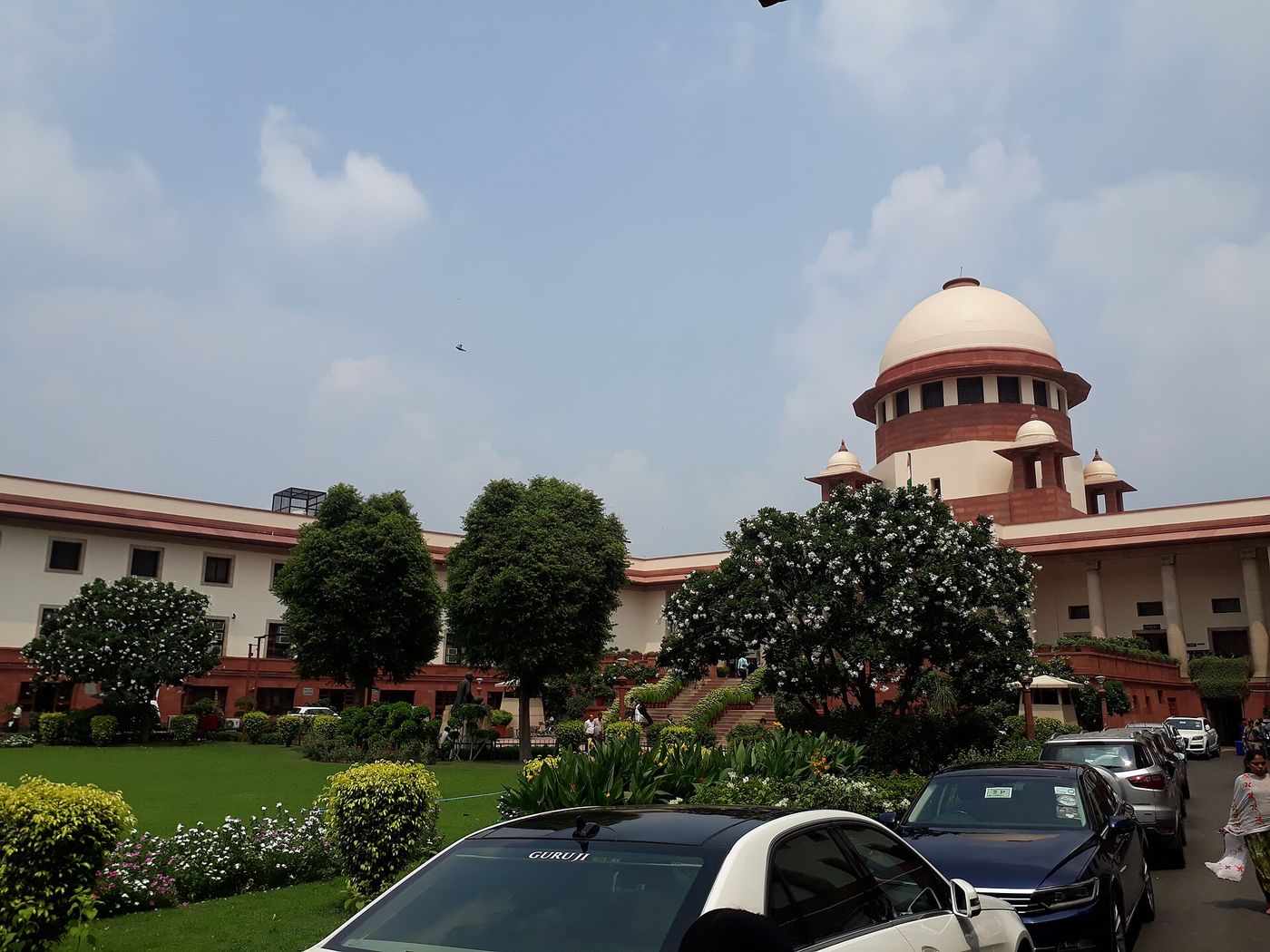
File photo: Pinakpani (CC BY-SA 4.0), via Wikimedia Commons
The Supreme Court on 16 November 2026 dismissed a challenge to Maharashtra's rule restarting rotation of SC/ST-reserved zilla parishad seats, saying no one has a vested right to a reserved seat.
What Happened
The Supreme Court on Monday, 16 November 2026, dismissed an appeal against Maharashtra's rules for rotating seats reserved for Scheduled Castes (SCs) and Scheduled Tribes (STs) in zilla parishads and panchayat samitis, the state's district and block-level local bodies. A bench of Justice Joymalya Bagchi and Justice V Mohana upheld a 19 September 2025 judgment of the Nagpur bench of the Bombay High Court and said that no voter or candidate can have a vested right to have a constituency declared as a reserved seat for SCs or STs. The appeal had challenged Rule 12 of the Maharashtra Zilla Parishads and Panchayat Samitis (Manner and Rotation of Reservation of Seats) Rules, 2025. The court allowed the petitioner to make a representation to the state government asking it to reconsider the rules.
Reserved Seats Rotation: key facts
- Court and date: Supreme Court of India, Monday, 16 November 2026.
- Bench: Justice Joymalya Bagchi and Justice V Mohana.
- Rule challenged: Rule 12 of the Maharashtra Zilla Parishads and Panchayat Samitis (Manner and Rotation of Reservation of Seats) Rules, 2025.
- What Rule 12 does: it treats the first general election held after the rules take effect as the starting point for rotating reserved seats.
- Earlier ruling upheld: Nagpur bench of the Bombay High Court, 19 September 2025.
- Court's key line: no voter or candidate has a vested right to have a constituency reserved for SCs or STs.
- The petitioner may approach the Maharashtra government with a representation to reconsider the rules.
Reserved Seats Rotation: why it matters
Reservation of seats in panchayats and zilla parishads for SCs, STs, women and other groups is required by the Constitution, and the reserved seats are rotated so that different areas get reserved representation over time. How that rotation is counted matters enormously to local politicians. If the count restarts, a seat that was reserved in the last election might be reserved again, or a seat that people expected to be reserved next time might not be.
The challenge argued that Rule 12, by restarting the rotation from the first election under the new rules, would disrupt the existing cycle and hurt candidates who planned to contest from reserved constituencies. The Supreme Court did not accept that. According to reports of the ruling, the court held that the law requires reserved seats to rotate according to the SC and ST population of each constituency in descending order, but that the manner and timeframe of carrying out the rotation are for the government to decide. In other words, a candidate's expectation that a seat will be reserved is not a legal right the court will enforce.
The ruling is consistent with the court's approach earlier this month. On 4 November, the Supreme Court rejected a separate plea asking for rotation of SC/ST-reserved seats in Parliament and state Assemblies, saying such a mechanism was for the legislature to introduce.
For Maharashtra, the decision means the 2025 rules stand for zilla parishad and panchayat samiti elections unless the state government itself changes them. Political parties and would-be candidates will now plan around the reservation pattern the rules produce, while those who object can only press the state government to change them.
Peepals timeline: The Maharashtra government framed the Zilla Parishads and Panchayat Samitis (Manner and Rotation of Reservation of Seats) Rules in 2025. On 19 September 2025, the Nagpur bench of the Bombay High Court rejected a challenge to Rule 12. On 4 November 2026, the Supreme Court separately declined to order rotation of reserved seats in Parliament and Assemblies. On 16 November 2026, it dismissed the appeal on Maharashtra's local body rule, about 14 months after the High Court verdict, our calculation from the reported dates.
| Point | Detail |
|---|---|
| Rule | Rule 12, Maharashtra local body reservation rotation rules, 2025 |
| High Court | Nagpur bench, Bombay High Court, 19 September 2025 |
| Supreme Court | Appeal dismissed, 16 November 2026 |
| Key holding | No vested right to a reserved seat |
| Way forward | Representation to the state government |
Impact
Short-term: The 2025 reservation rules stand for Maharashtra's zilla parishads and panchayat samitis, with the rotation restarting from the first election under them.
Long-term: The ruling strengthens state governments' hand in deciding how and when reserved local seats rotate, and limits how far candidates can challenge such decisions in court.
Who is affected: SC and ST candidates and voters in Maharashtra's rural local bodies, political parties preparing for local elections, and the State Election Commission.
Key Takeaway
The Supreme Court has upheld Maharashtra's rule restarting the rotation of SC/ST-reserved seats in zilla parishads and panchayat samitis, holding that no voter or candidate has a vested right to a reserved seat.
Questions and Answers
What did the Supreme Court decide on Maharashtra's reserved seats rotation?
On 16 November 2026 the Supreme Court dismissed an appeal against Rule 12 of Maharashtra's 2025 rules on rotating SC/ST-reserved seats in zilla parishads and panchayat samitis, upholding the Bombay High Court's earlier verdict.
What does Rule 12 of Maharashtra's reservation rules say?
It treats the first general election held after the 2025 rules take effect as the starting point for rotating reserved seats in zilla parishads and panchayat samitis.
Does anyone have a right to a reserved seat?
No. The Supreme Court said no voter or candidate can have a vested right to have a constituency declared as a reserved seat for SCs or STs.
Can the rules still be changed?
The court allowed the petitioner to submit a representation to the Maharashtra government asking it to reconsider the rules. Any change would be for the government to make.
Disclaimer: Prepared by the Peepals newsroom from publicly available sources with AI assistance. Information is accurate to the best of our knowledge at the time of publication and may change. Images may be representative. Not professional advice. Report an error via our contact page.
By Meera Iyer, Governance & Policy EditorCovers Governance & Policy and more for Peepals Bharat. All stories by Meera Iyer
Sikkim Supreme exports: first consignment leaves for New York and Perth
Cyclone Akvan: IMD sees Andhra landfall between Nellore and Tuni on November 20
Your week ahead, every Sunday. Free.
Exam and result dates, IPOs opening, scheme deadlines, government holidays and the RBI decision for the next 7 days, plus the week's top stories. One email a week, unsubscribe in one click.
Meera Iyer is a pen name of the Peepals Global Editorial Team, which researches, fact-checks and publishes every story. The portrait is an illustration.
Responsible for this story: the Peepals Global Editorial Team, led by editor Prashant Sonar. How we report